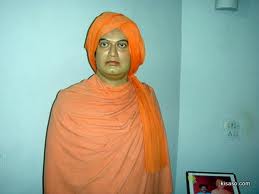
Author Archives: abhibhushan

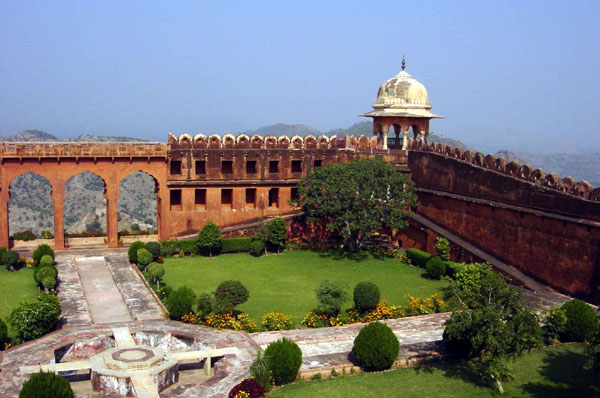
Jaigarh Fort

India /Rajasthan /Jaipur /Jaipur

Sight Address : Jaigarh Fort, about 7 km (4 miles) from Jaipur, off Amber Rd., Jaipur, Rajasthan, 302002 Edit

Detail InformationEdit

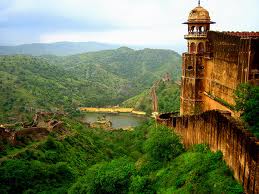
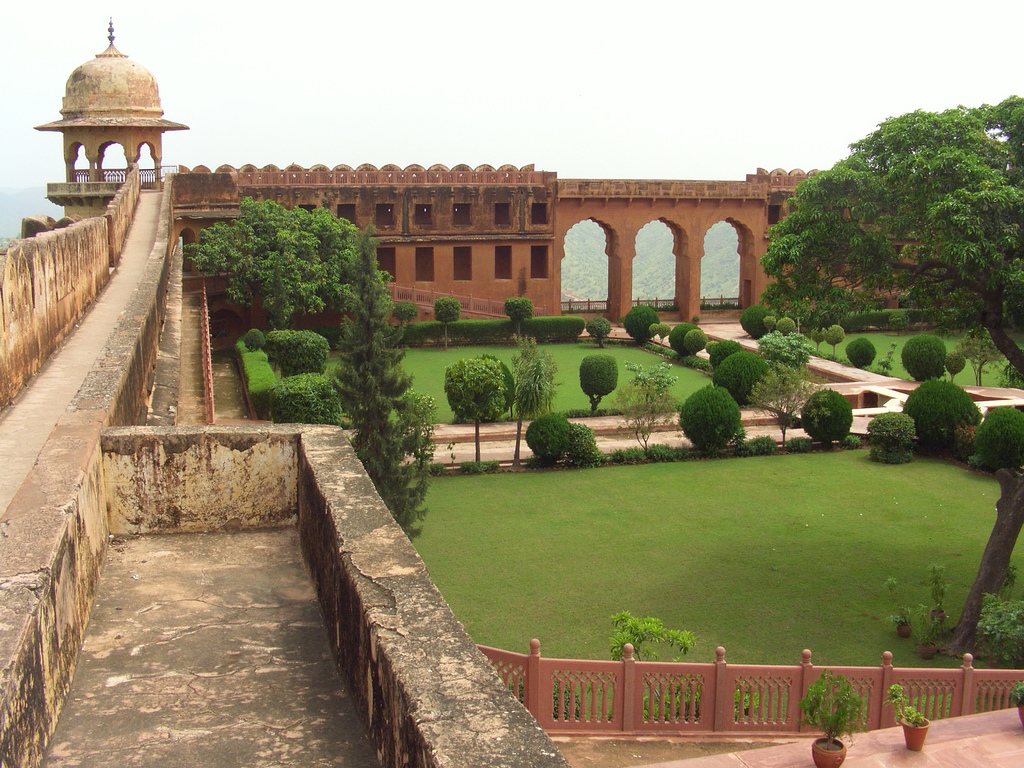
Jaigarh Fort is a palatial structure perched on the ‘Cheel ka teela’ hills, much like a jewel on a crown. Designed by a talented architect called Vidhyadhar, the fort is a regal reminder of the city’s affluent history and is named after Jai Singh II, the ruler who got it built.

Jaigarh Fort

HistoryEdit

Jaigarh Fort is an opulent structure built in the early 18th century. Amer, the city in which the Jaigarh and the Amer fort are located, was ruled by the Kachawahas from the early 10th century. During the Mughal dynasty, the Jaigarh Fort became their empire’s main cannon foundry and was also used as storage stronghold to store ammunition and other metal required for war. During the successive wars that broke out in the Mughal dynasty in 1658, the cannon outpost at the Jaigarh fort was protected until the protector, Dara Shikoh, was defeated and executed by his own brother, Aurangzeb. Later, the fort was handed over to Jai Singh II and he is known to have molded the great ‘Jaivana Cannon’, along with using the devices and the foundries inside the fort. Amber was known in the ancient and medieval period as Dhundhar (meaning attributed to a sacrificial mount in the western frontiers) and ruled by the Kachwahas from the 10th century onwards. The history of Amber and Jaigarh is indelibly linked to these rulers, as they founded their empire at Amber. The fort houses the world’s largest cannon on wheels, a majestic palace complex and the assembly hall of the warriors known as ‘Shubhat Niwas’ along with a museum and an armory. Apart from the intricate architecture of the fort, the fort was also renowned for a huge treasure that was believed to be buried under the fort. It is now said that the government of Rajasthan seized the treasure when it was discovered in the 1970s. The Jaigarh Fort was built to secure Jaipur City and the Amer fort from warlords and rivals.

Must SeeEdit

Must-see

Visiting TimeEdit

09:00:00 AM to 05:00:00 PM

Closed OnEdit

N.A.

Best Season to VisitEdit

October and March.

Best Time To VisitEdit

Morning, Afternoon

Time Required for SightseeingEdit

4 Hours Minimum

Ticket Required : Yes Edit

Individual National Adult Rs. : Rs.75

Kids Rs. : N.A.

Individual Foreigner Adult Rs. : Rs.75

Kids Rs. : N.A.

Still Photo Camera Rs. : Rs. 50

Video Camera Rs. : Rs. 200

Guide Required : No Edit

Approximate cost: N.A.

Dress Code (If Any) : No Edit

Dress Require: N.A.

Restaurants NearbyAdd / Edit

  • Jaipur Heights ;  Krishna Square, 4th Floor,  Subhash Nagar , Jaipur ; Ph/M –  4007789, 9680006789 ; Food Serve –  Continental, Multi-cuisine, Indian, Mughlai, Rajasthani, Chinese

How to ReachEdit

Taxi : Jaigarh Fort, Jaipur can be accessed by Taxi. Taxis run on meter, and charges will hover around Rs 12 per kilometer.

Bus : Jaigarh Fort is well connected by motorable roads with major destinations of Jaipur city. Buses are easily available to Jaigarh Fort from any major destinations of Jaipur.

Train : The nearest railway station to reach Jaigarh Fort is Jaipur Railway Station, Shanti Nagar, Hasanpura, Jaipur, Rajasthan, India which is located at a middle of city. After getting down at the railway station, take an auto-rickshaw, bus or hire a taxi to reach the destination within the city.

Air : The airport is situated close to Sanganer, almost 13 km to the south of Jaipur City. Domestic airlines connect the city to Delhi, Mumbai, Kolkata, Ahmedabad, Agra, Jodhpur and Udaipur. The Jaipur airport also provides international flights to Dubai, London, Muscat and Sharjah. Taxis are available to and from airport. Air India, Indian Airlines, Jet Airways, etc. fly daily to Jaipur.

Others : Cycle rickshaws charge anywhere from Rs 10 to 30, but this mode of transport is very slow.

Things to CarryEdit

Own Food and Water as there is no good restaurant

Safety / WarningEdit

Summer – light tropical or cotton Winter – Woollens
1. Double-check all hotel and restaurant bills for errors.
2. Don’t leave cash and valuables in your hotel room. Use room safes where available.
3. Keep daily cash in separate pockets.
4. Don’t flash jewellery or large sums of money.
5. Never pay for anything upfront – including drivers.
6. Avoid touts!

HelplineEdit

Police 100
Fire 101
Ambulance 108
Child 1098
Directory Assistance 199

Gallery


View All Sight of Jaipur... Click Here

City Palace
Hawa Mahal
Jantar Mantar

City Palace

India /Rajasthan /Jaipur /Jaipur

Sight Address : City Palace is near Chokri Shahad, Old City, Jaipur. Edit

Detail InformationEdit

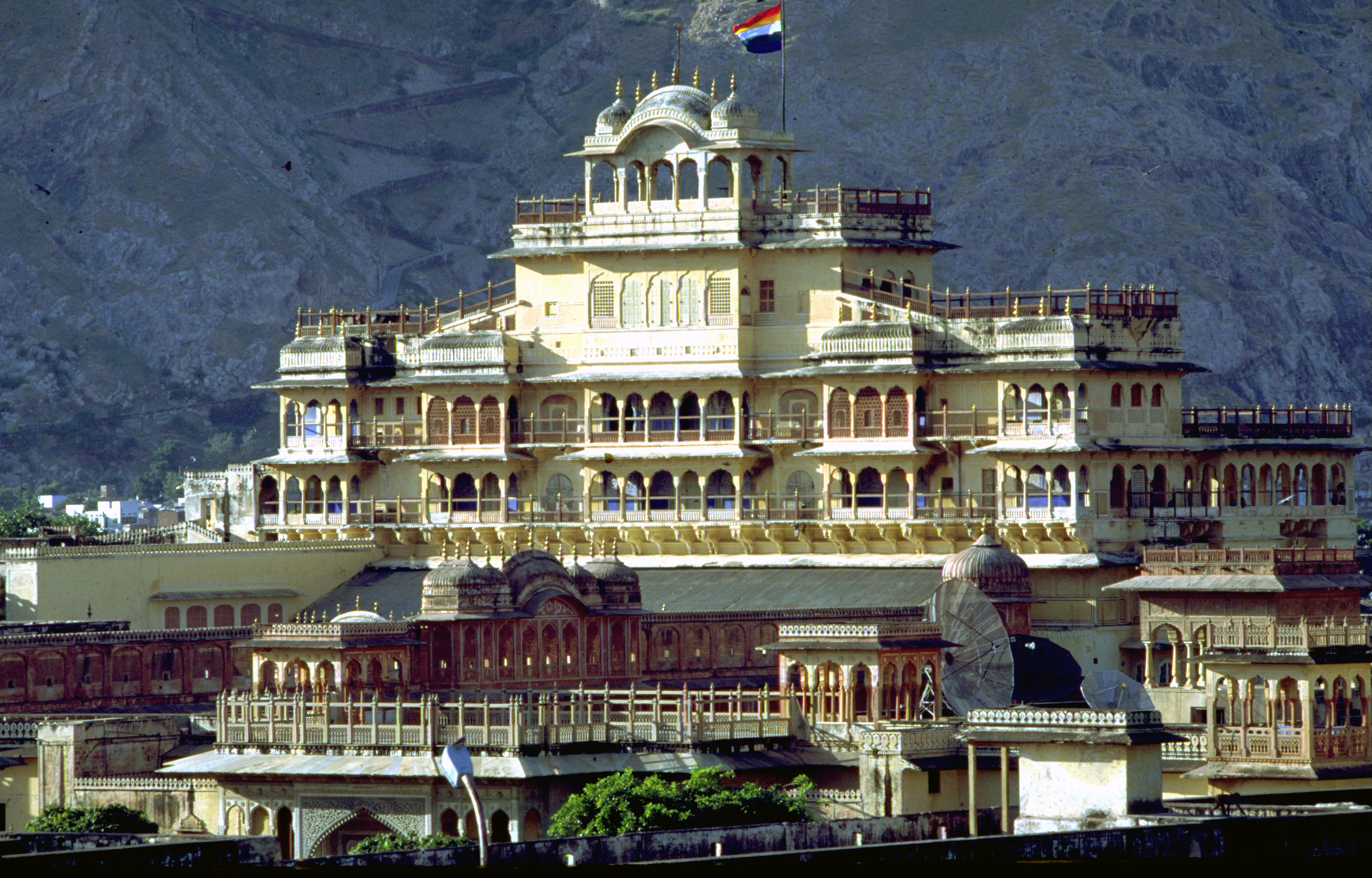
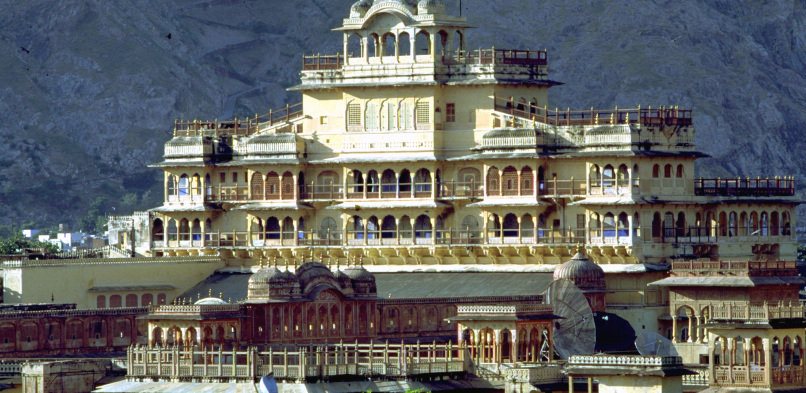
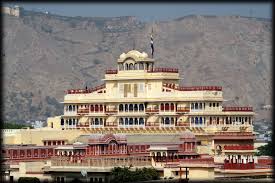
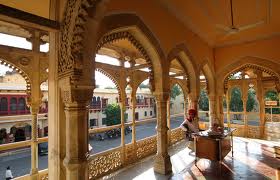
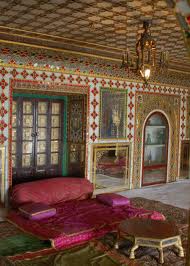
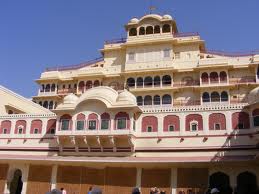
City Palace is in the central-northeast part of the Jaipur city, which is laid in a grid pattern with wide avenues. It is a unique and arresting complex of several palaces, pavilions, gardens and temples. The most prominent and most visited structures in the complex are the Chandra Mahal, Mubarak Mahal, Mukut Mahal, Maharani’s Palace, Shri Govind Dev Temple and the City Palace Museum. Entrance gates, Mubarak Mahal, Chandra Mahal, Pitam Niwas Chowk, Diwan-I-Khas, Diwan-I-Aam, Maharani palace, Bhaggi Khana, Govind Dev Ji temple.
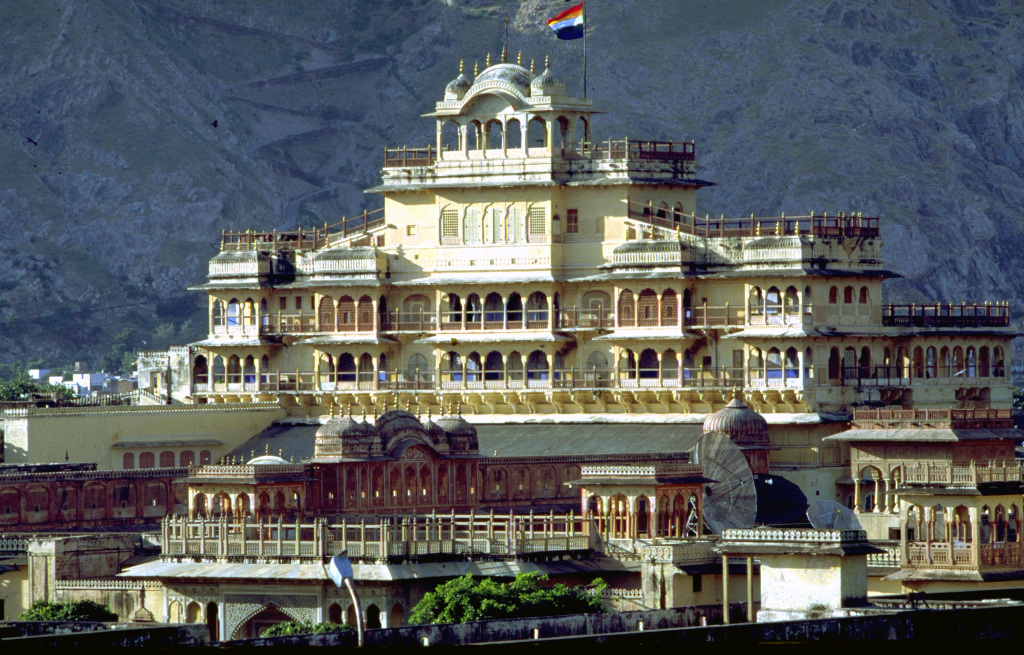
City Palace

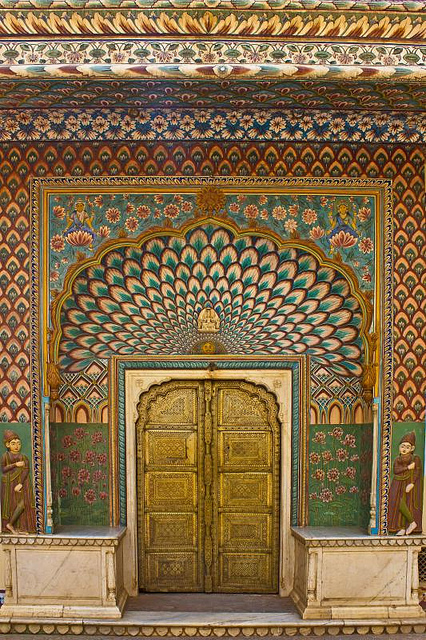
Chandra Mahal : Chandra Mahal or Chandra Niwas is the most commanding building in the City Palace complex, on its west end. It is a seven-storeyed building and each floor has been given a specific name such as the Sukh-Niwas, Ranga-Mandir, Pitam-Niwas, Chabi-Niwas, Shri-Niwas and Mukut-Mandir or Mukut Mahal. It contains many unique paintings, mirror work on walls and floral decorations. At present, most of this palace is the residence of the descendants of the former rulers of Jaipur. Only the ground floor is allowed for visitors where a museum is located that displays carpets, manuscripts and other items that belonged to the royal family. There is beautiful peacock gate at the entry to the Mahal. It has screened balconies and a pavilion at the roof from where a panoramic view of the city can been seen. It is set amidst well laid out gardens and a decorative lake in the foreground.

Mubarak Mahal : Mubarak Mahal, meaning the ‘Auspicious Palace’, was built with a fusion of the Islamic, Rajput and European architectural styles in the late 19th century by Maharaja Madho Singh II as reception centre. It is a museum; a fine repository of variety of textiles such as the royal formal costumes, sanganeri block prints, embroidered shawls, Kashmiri Pashminas and silk saris as part of the Maharaja Sawai Man Singh II Museum. A noteworthy display here is of the set of voluminous clothes worn by Sawai Madhosingh I, who was 1.2 metres (3.9 ft) wide and weighed 250 kilograms (550 lb) but interestingly had 108 wives.

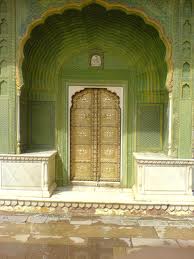
Pitam Niwas Chowk : It is the inner courtyard, which provides access to the Chandra Mahal. Here, there are four small gates (known as Ridhi Sidhi Pol) that are adorned with themes representing the four seasons and Hindu gods. The gates are the Northeast Peacock Gate (with motifs of peacocks on the doorway) representing autumn and dedicated Lord Vishnu; the Southwest Lotus Gate (with continual flower and petal pattern) suggestive of summer season and dedicated to Lord Shiva-Parvati; the Northwest Green Gate, also called the Leheriya (meaning: “waves”) gate, in green colour suggestive of spring and dedicated to Lord Ganesha, and lastly, the Rose Gate with repeated flower pattern representing winter season and dedicated to Goddess Devi.

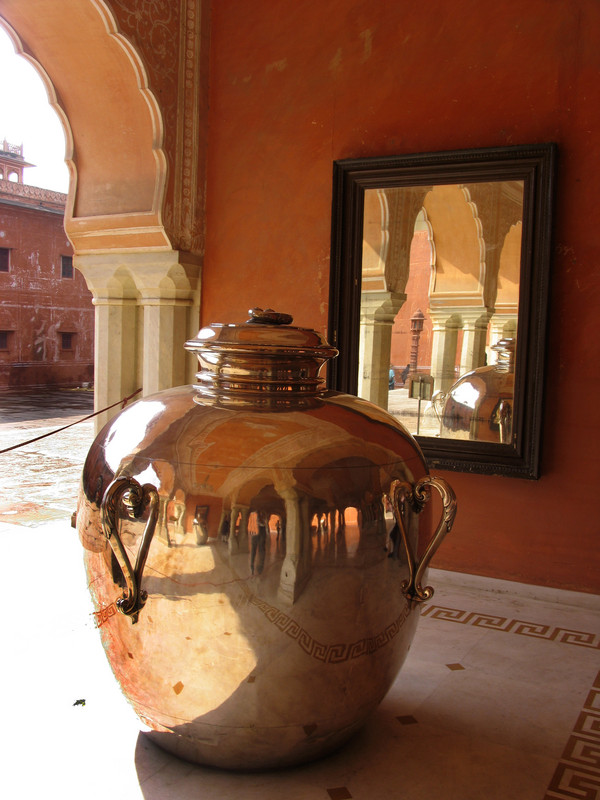
Diwan-I-Khas : Diwan-I-Khas was a private audience hall of the Maharajas, a marble floored chamber. It is located between the armoury and the art gallery. There are two huge sterling silver vessels of 1.6 metres (5.2 ft) height and each with capacity of 4000 litres and weighing 340 kilograms (750 lb), on display here. They were made from 14000 melted silver coins without soldering. They are officially recorded by the Guinness Book of World Records as the world’s largest sterling silver vessels.[14] These vessels were specially made by Maharaja Sawai Madho Singh II, who was a highly pious Hindu, to carry the water of the Ganges to drink on his trip to England in 1901 (for Edward VII’s coronation) as he was finicky about committing religious sin by consuming the English water. Hence, the vessels are named as Gangajelies (Ganges-water urns). There are a number of crystal chandeliers hanging from the ceiling (normally covered with plastic sheets to prevent dust collection), which are uncovered on special occasions.

Diwan-I-Aam : The ‘Diwan-E-Aam’ (Sabha Niwas) or the ‘Hall of Public Audience’ is an enchanting chamber, with the ceiling painted in rich red and gold colours, which still looks vibrant. It is a major Arrraction in the Mubarak Mahal courtyard. This chamber, functioning now as an art gallery, has exhibits of exquisite miniature paintings (of Rajastahni, Mughal and Persian art), ancient texts, embroidered rugs, Kashmir shawls and carpets. The ceiling is richly decorated. At present, it is an art gallery showcasing enthralling painted ceilings and rare ancient handwritten original manuscripts of Hindu scriptures (the Hindu holy scripture of the Bhagavad Gita handwritten in tiny script). Also seen in the art gallery is the Golden throne (called as Takth-e-Rawal) that was the seat of the Maharaja during public audience. It was mounted on an elephant or carried by palanquin bearers during the Maharajas visit outside the palace. At the entry gateway to the hall, two large elephants, each made out of single marble rock are on display.

Maharani Palace : Maharani’s Palace was originally the residence of the royal queens. It has been converted into a museum, where weapons used by the royalty during war campaigns are displayed, including those belonging to the 15th century. The ceiling of this chamber has unique frescoes, which are preserved using jewel dust of semiprecious stones. A particular weaponry on display is the scissor-action dagger, which when thrust into an enemy’s body is said to disembowel the victim, on its withdrawal.

Bhaggi Khana : Bhaggi Khana is a museum in the palace complex where a collection of old carriages, palanquins and European cabs adopted as Baggis to Indian situations are on display here. The Baggi which attracts attention is the one gifted by Prince of Wales to the Maharaja in 1876, called the Victoria Baggi. Also on display here are the Mahadol, a palanquin with a single bamboo bar that was used to carry the priests and a Ratha (chariot) that was used for carrying the idols of Hindu Gods in procession on festive occasions.

Govind Dev Ji temple : Govind Dev Ji temple, dedicated to the Hindu god Lord Krishna, is part of the City Palace complex. It was built in early 18th century outside the walls set in a garden environment. It has European chandeliers and paintings of Indian art. The ceiling in the temple is ornamented in gold. Its location provided a direct view to the Maharaja from his Chandar Mahal palace. The arathi (prayer offering) for the deity can be seen by devotees only for seven times during the day.

HistoryEdit

City Palace complex lies in the heart of Jaipur city, to the north-east of the very centre, located at 26.9255°N 75.8236°E. The site for the palace was located on the site of a royal hunting lodge on a plain land encircled by a rocky hill range, five miles south of Amber (city). The history of the city palace is closely linked with the history of Jaipur city and its rulers, starting with Maharaja Sawai Jai Singh II who ruled from 1699-1744. He is credited with initiating construction of the city complex by building the outer wall of the complex spreading over many acres. Initially, he ruled from his capital at Amber, which lies at a distance of 11 kilometres (6.8 mi) from Jaipur. He shifted his capital from Amber to Jaipur in 1727 because of an increase in population and increasing water shortage. He planned Jaipur city in six blocks separated by broad avenues, on the classical basis of principals of Vastushastra and other similar classical treatise under the architectural guidance of Vidyadar Bhattacharya, a man who was initially an accounts-clerk in the Amber treasury and later promoted to the office of Chief Architect by the King. Following Jaisingh’s death in 1744, there were internecine wars among the Rajput kings of the region but cordial relations were maintained with the British Raj. Maharaja Ram Singh sided with the British in the Sepoy Mutiny or Uprising of 1857 and established himself with the Imperial rulers. It is to his credit that the city of Jaipur including all of its monuments (including the City Palace) are stucco painted ‘Pink’ and since then the city has been called the “Pink City”. The change in colour scheme was as an honour of hospitality extended to the Prince of Wales (who later became King Edward VII) on his visit. This colour scheme has since then become a trademark of the Jaipur city. Man Singh II, the adopted son of Maharaja Madho Singh II, was the last Maharaja of Jaipur to rule from the Chandra Mahal palace, in Jaipur. This palace, however, continued to be a residence of the royal family even after the Jaipur kingdom merged with the Indian Union in 1949 (after Indian independence in August 1947) along with other Rajput states of Jodhpur, Jaisalmer and Bikaner. Jaipur became the capital of the Indian state of Rajasthan and Man Singh II had the distinction of becoming the Rajapramukh (present day Governor of the state) for a time and later was the Ambassador of India to Spain.

Must SeeEdit

Must-see

Visiting TimeEdit

9.30 a.m. to 6 p.m.

Closed OnEdit

September

Best Season to VisitEdit

October-March

Best Time To VisitEdit

Morning, Afternoon, Evening.

Time Required for SightseeingEdit

4 Hours Minimum

Ticket Required : Yes Edit

Individual National Adult Rs. : Rs.35

Kids Rs. : Rs.25

Individual Foreigner Adult Rs. : Rs.150

Kids Rs. : Rs.25

Still Photo Camera Rs. : Rs.50

Video Camera Rs. : Rs.150

Guide Required : No Edit

Approximate cost: N.A.

Dress Code (If Any) : No Edit

Dress Require: N.A.

Restaurants NearbyAdd / Edit

  • Trattoria ;  9 Khandela House Sansar Chandra Rd ; Ph/M –  141 237 8009 ; Food Serve –  Italian restaurant offers wood-fired pizzas and pasta dishes – even Italians recommend it. It’s on the candlelit rooftop, and offers a rare chance to eat outside in Jaipur. It’s behind Amber Tower.

How to ReachEdit

Taxi :  City Palace, Jaipur can be accessed by Taxi. Taxis run on meter, and charges will hover around Rs 12 per kilometer.

Bus : City Palace  is well connected by motorable roads with major destinations of Jaipur city. Buses are easily available to Hawamahal from any major destinations of Jaipur.

Train : The nearest railway station to reach City Palace is Jaipur Railway Station, Shanti Nagar, Hasanpura, Jaipur, Rajasthan, India which is located at a middle of city. After getting down at the railway station, take an auto-rickshaw, bus or hire a taxi to reach the destination within the city.

Air : The airport is situated close to Sanganer, almost 13 km to the south of Jaipur City. Domestic airlines connect the city to Delhi, Mumbai, Kolkata, Ahmedabad, Agra, Jodhpur and Udaipur. The Jaipur airport also provides international flights to Dubai, London, Muscat and Sharjah. Taxis are available to and from airport. Air India, Indian Airlines, Jet Airways, etc. fly daily to Jaipur.

Others : Cycle rickshaws charge anywhere from Rs 10 to 30, but this mode of transport is very slow.

Things to CarryEdit

Plenty of Water and some food.

Safety / WarningEdit

Summer – light tropical or cotton Winter – Woollens
1. Double-check all hotel and restaurant bills for errors.
2. Don’t leave cash and valuables in your hotel room. Use room safes where available.
3. Keep daily cash in separate pockets.
4. Don’t flash jewellery or large sums of money.
5. Never pay for anything upfront – including drivers.
6. Avoid touts!

HelplineEdit

Police 100
Fire 101
Ambulance 108
Child 1098
Directory Assistance 197

Gallery

View All Sight of Jaipur... Click Here

City Palace
Hawa Mahal
Jantar Mantar
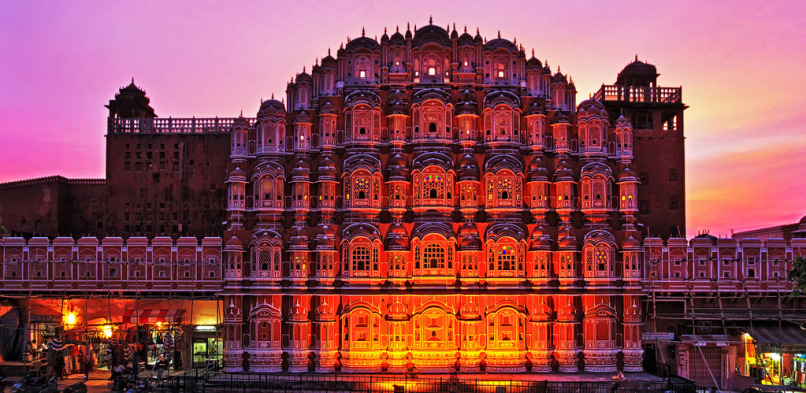
Hawa Mahal

India /Rajasthan /Jaipur /Jaipur

Sight Address : Hawa Mahal is next to the City Palace. Enter from the rear of the building Edit

Detail InformationEdit

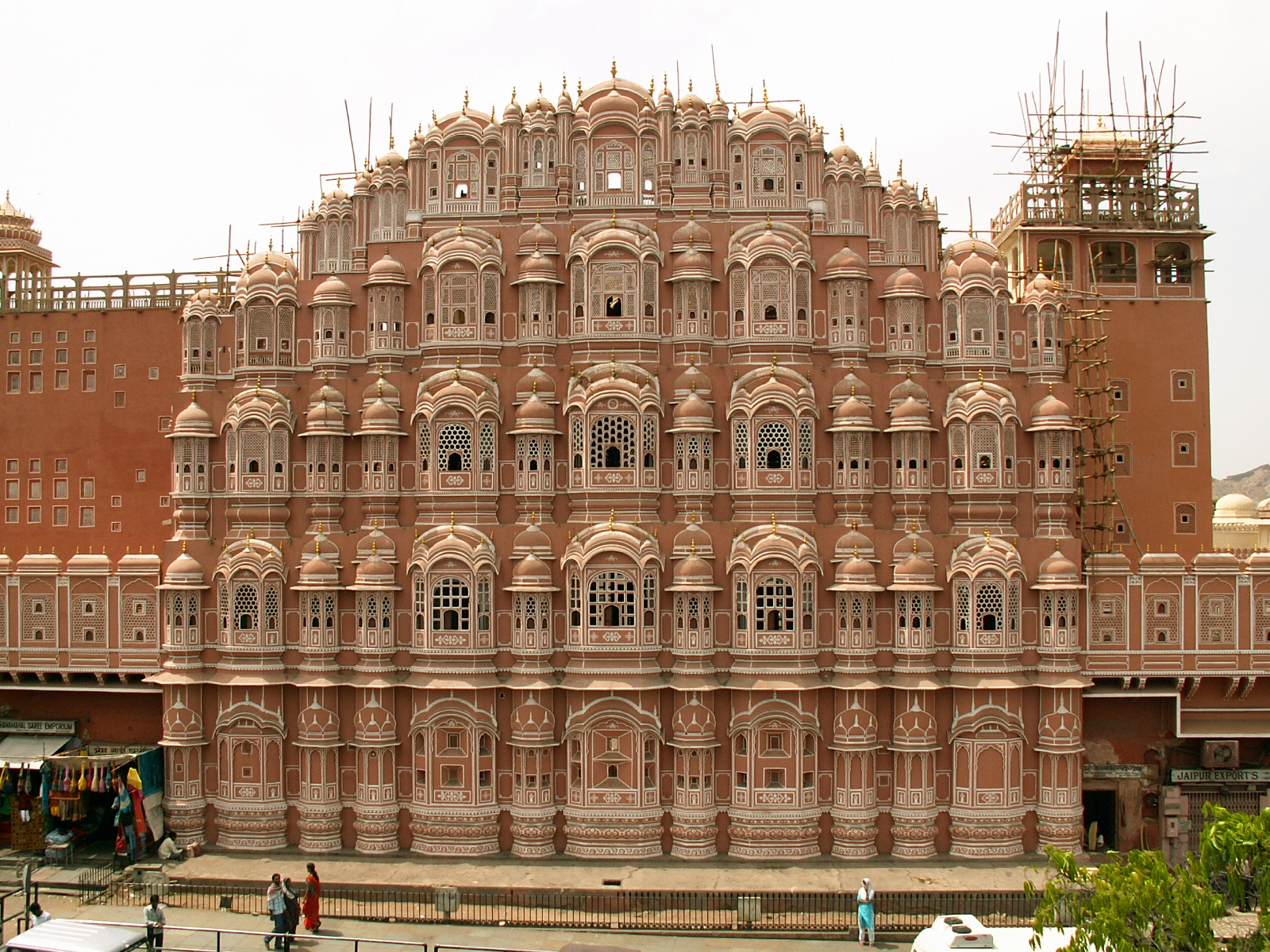
Hawa Mahal is counted amongst the most gorgeous and captivating piece of work by the Rajput rulers. The Rajputs were strictly traditional and did not wish their women folk to be seen in public. The Rajputs women were themselves immensely particular about their dignity and self respect hence, they did not prefer to come out in open with the common public and strangers.

Hawa Mahal

HistoryEdit

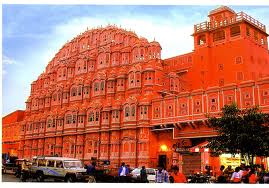
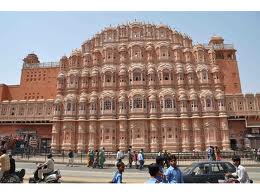
Hawa Mahal, Built in 1799, by Maharaja Sawai Pratap Singh the ‘Hawa Mahal’, Palace of the Wind, is one of the major landmarks of Jaipur. It is an integral part of the City Palace, an extension of the Zenana (women’s chambers) standing away from the main complex. This five storey building of unusual architecture designed by Lal Chand Usta, is a stunning example of Rajput artistry made of red and pink sand stone, beautifully outlined with white borders and motif’s painted with quick lime. The monument with a spectacular view of Jaipur city with road avenues, intersections and colourful crowds in the market, was originally conceived with the aim of enabling ladies of the royal household to watch the everyday life and royal processions in the city without being seen by others. It was in 1799 that the Kachhwaha Rajput ruler, Sawai Pratap Singh, grandson of Maharaja Sawai Jai Singh who built Jaipur, constructed Hawa Mahal as a continuation of the Royal City Palace. Sawai Pratap Singh’s devotion to Lord Krishna is evident in the palace’s construction as it resembles the lord’s crown. Though many reasons are cited behind the construction of the fort, Purdah system followed by the Rajputs is said to be one of the main causes. During those days, Rajput royal women did not appear in public or in front of strangers. However, they were keen to follow the day-to-day events and royal processions occurring on the streets. It is for their benefit that the Hawa Mahal was built, complete with small windows and screened balconies. This gave the women a sense of freedom, without appearing in public. The entrance to Hawa Mahal is from the City Palace side, through a stately door which opens into a spacious courtyard. The courtyard has a double storeyed building on three sides. There is a small archaeological museum here. Only the eastern wing has three more storeys above, which are just a single room thick. The building, standing on a high podium, is a fifty-foot high thin shield, less than a foot in thickness, with small intimate chambers, which give this palace its unique façade. There are no regular stairs to reach the upper floors, but only ramps.

Must SeeEdit

Must-see

Visiting TimeEdit

9.30 A.M to 4.30 P.M.

Closed OnEdit

Friday

Best Season to VisitEdit

October to February

Best Time To VisitEdit

Morning, Afternoon

Time Required for SightseeingEdit

N.A.

Ticket Required : Yes Edit

Individual National Adult Rs. : Rs.10 (Free on Monday)

Kids Rs. : N.A.

Individual Foreigner Adult Rs. : Rs.50 (Free on Monday)

Kids Rs. : N.A.

Still Photo Camera Rs. : For Indian Rs. 10 & for Foreigner 30

Video Camera Rs. : For Indian Rs.20 & for Foreigner 70

Guide Required : No Edit

Approximate cost: N.A.

Dress Code (If Any) : No Edit

Dress Require: N.A.

Restaurants NearbyAdd / Edit

  • Rangoli Restaurant ;  Comfort Inn Hawa Mahal,  Civil Lines, Jaipur ; Ph/M –  2223172 ; Food Serve –  Continental, Indian, Chinese

How to ReachEdit

Taxi : Hawa Mahal, Jaipur can be accessed by Taxi. Taxis run on meter, and charges will hover around Rs 12 per kilometer.

Bus : Hawa Mahal is well connected by motorable roads with major destinations of Jaipur city. Buses are easily available to Jaigarh Fort from any major destinations of Jaipur.

Train : The nearest railway station to reach Hawa Mahal is Jaipur Railway Station, Shanti Nagar, Hasanpura, Jaipur, Rajasthan, India which is located at a middle of city. After getting down at the railway station, take an auto-rickshaw, bus or hire a taxi to reach the destination within the city.

Air : The airport is situated close to Sanganer, almost 13 km to the south of Jaipur City. Domestic airlines connect the city to Delhi, Mumbai, Kolkata, Ahmedabad, Agra, Jodhpur and Udaipur. The Jaipur airport also provides international flights to Dubai, London, Muscat and Sharjah. Taxis are available to and from airport. Air India, Indian Airlines, Jet Airways, etc. fly daily to Jaipur.

Others : Cycle rickshaws charge anywhere from Rs 10 to 30, but this mode of transport is very slow.

Things to CarryEdit

Tourists should carry light cotton clothing, sunscreen.

Safety / WarningEdit

Summer – light tropical or cotton Winter – Woollens
1. Double-check all hotel and restaurant bills for errors.
2. Don’t leave cash and valuables in your hotel room. Use room safes where available.
3. Keep daily cash in separate pockets.
4. Don’t flash jewellery or large sums of money.
5. Never pay for anything upfront – including drivers.
6. Avoid touts!

HelplineEdit

Police 100
Fire 101
Ambulance 108
Child 1098
Directory Assistance 198

Gallery


View All Sight of Jaipur... Click Here

City Palace
Hawa Mahal
Jantar Mantar
Tsunami Monument

India /Tamil Nadu /Kanyakumari /Kanyakumari

Sight Address : Tsunami Monument,Near south shore, Kanyakumari, India Edit

Detail InformationEdit

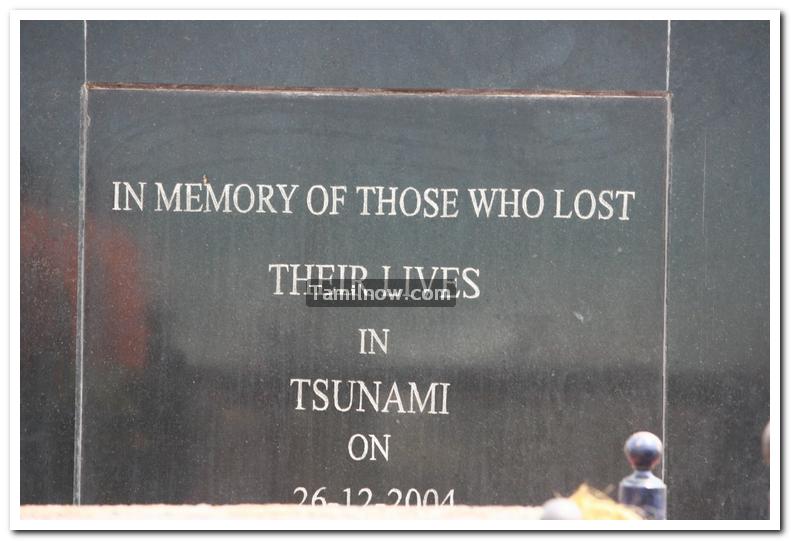
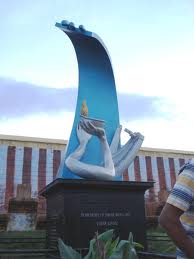
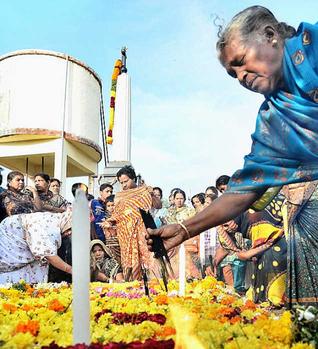
Tsunami Monument, uniquely colored 16-foot (4.8 meters) memorial stands as a grim reminder of the lives claimed by the Asian Tsunami, on the southern shores of Kanyakumari. On 26 December 2004, the giant waves of the Indian Ocean smashed the coast of Kerala, Tamil Nadu, Andaman and Nicobar Islands, and other South-east Asian countries killing thousands and rendering many homeless. Tsunami Memorial is indeed a very special monument in honor of the people who lost their lives under the havoc wrecked by the gigantic waves. Tourists from the world over visit this place to pay homage. Two hands; one holding back a huge blue wave and the other cupped around a lamp of hope make this steel structure. The plaque below it records the date and importance of this solemn monument. Take a stroll in the area; you will feel a sense of absolute calm – and also a realization that nature finally prevails.

Tsunami-Wall

Tsunami-Wall

HistoryEdit

Tsunami Monument is a special monument in the Tamil Nadu region in South India, and it has been erected to honor those dead people who have died in the southern coast of India due to the devastating Tsunami that took place a few years ago. Tsunami Monument represents the people who died due to the devastating Tsunami. Many people from all over the world come to visit the Tsunami Monument to see what the nature is capable of doing. Many Tsunami victims from all over the world come and visit the Tsunami Monument to honor their own dead.

Must SeeEdit

Popular

Visiting TimeEdit

8:00 A.M to 8:00 P.M

Closed OnEdit

N.A.

Best Season to VisitEdit

October to March

Best Time To VisitEdit

Morning,Afternoon & Evening

Time Required for SightseeingEdit

30 minutes To 45 minutes

Ticket Required :  No Edit

Individual National Adult Rs. : N.A.

Kids Rs. : N.A.

Individual Foreigner Adult Rs. : N.A.

Kids Rs. : N.A.

Still Photo Camera Rs. : N.A.

Video Camera Rs. : N.A.

Guide Required : No Edit

Approximate cost: N.A.

Dress Code (If Any) : No Edit

Dress Require: N.A.

Restaurants NearbyAdd / Edit

  • Anapurna ;  Kanyakumari Tamil Nadu ; Ph/M –  N.A. ; Food Serve –  N.A.

How to ReachEdit

Taxi : 0

BUS : 0

Train : 0

Air : 0

Others : 0

Things to CarryEdit

Carry along sunshades and a bottle of drinking water

Safety / WarningEdit

Maintain decorum. Turn your phone to silent mode.

HelplineEdit

Police – 100
Fire – 101
Women Helpline -1091
Ambulance – 1066/102
Child Helpline – 1098
Railway Enquiry -1361/157

Gallery


View All Sight of Kanyakumari... Click Here

Suchindram
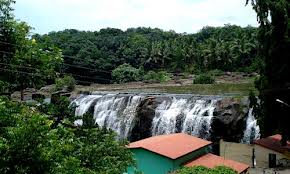
Thiruparrapu Falls
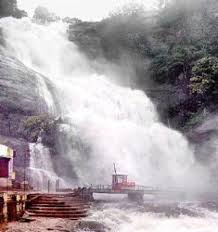
Olakaruvi Falls

Tiruchendur Temple

India /Tamil Nadu /Kanyakumari /Kanyakumari

Sight Address : Tiruchendur Arulmigu Subramaniaswamy Temple, is located at Tiruchendur Town at a distance of about 80 km from Kanyakumari, 60 km from Tirunelveli and 40 km from Tuticorin, India Edit

Detail InformationEdit

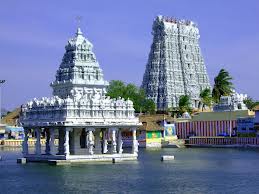
Tiruchendur Arulmigu Subramaniaswamy Temple is situated in Tiruchendur town, at a distance of about 80 km from Kanyakumari, 60 km from Tirunelveli and 40 km from Tuticorin.Tiruchendur Arulmigu Subramaniaswamy Temple, one among the Arupadaiveedu, is the second abode of Lord Murugan or Senthilandavar.The other abodes of Lord Murugan are Palani, Swamimalai, Thiruthani, Pazhamudircholai and Thiruparamkunram.The Murugan Temple of Tiruchendur is situated atop a hill which is known as Chandana Hill. It is believed that Lord Muruga offered prayers to Lord Shiva at this place after defeating the demo Soorapadma.Tiruchendur Arulmigu Subramaniaswamy Temple is situated on the coast of Mannar. It is situated close to the sea and the eastern wall of Tiruchendur Temple touches the sea waves from the Gulf of Mannar.

Tiruchendur Temple in Kanyakumari

Tiruchendur Temple in Kanyakumari

HistoryEdit

One last note of interest about Tiruchendur. It is located, as you can see, right on the ocean. The reason is that here, on this beach, Shiva’s son Subramanyam defeated a demon who interestingly enough started off the attack by taking the form of a mango tree! Probably a good strategy for strength, but a little slow in the midst of battle!In any case to defeat the demon, who couldn’t be killed during the day or night, nor on land or sea. Well, Subramanyam managed to attack and win the battle at dusk, and on the beach. There was a time when the temple was slipping into the water and the erosion of the beach had threatened the foundations of the temple. But the English who were ruling India at the time, shored up the foundations and saved the temple. In one of the main corridors there are a series of images commemorating the event. It is unusual to see images of the English in their 1800′s dress conferring with the temple priests about the repairs.The recent tsunami caused great destruction up and down this coast of India from Madras all the way to the southern most tip of India at Kanyakumari.

Must SeeEdit

Attraction

Visiting TimeEdit

4.30 am – 11.45 am and 5.30 pm – 9.30 pm

Closed OnEdit

N.A.

Best Season to VisitEdit

October to March

Best Time To VisitEdit

Morning & Evening

Time Required for SightseeingEdit

N.A.

Ticket Required :  No Edit

Individual National Adult Rs. : N.A.

Kids Rs. : N.A.

Individual Foreigner Adult Rs. : N.A.

Kids Rs. : N.A.

Still Photo Camera Rs. : N.A.

Video Camera Rs. : N.A.

Guide Required : No Edit

Approximate cost: N.A.

Dress Code (If Any) : No Edit

Dress Require: N.A.

Restaurants NearbyAdd / Edit

  • Hotel Jeyam ;  NH7 Kanyakumari, Tamil Nadu ; Ph/M –  N.A. ; Food Serve –  N.A.

How to ReachEdit

Taxi : (Kanniyakumari Car Rental), taxiGUIDE.in ☎ +91 888 023 4455 (support@taxiguide.in), [1]. Inquiry: 7am to 11pm. Kanniyakumari Car Rental services on taxiGUIDE.in – a Chauffeur Driven Car Rental service in 75 Cities in India. Fares start from Rs.2000 for full day local & Rs.14.5/km for Outstation.

BUS : From Thirvananthapuram (or Kovalam Beach) or take one of the daily Kanyakumari tours organised by KTDC (Kerala Tourism Development Corporation). Frequent buses run from Thiruvananthapuram’s Thampanoor bus stand for Padmanabhampuram, on the highway to Kanyakumari. Best way is to board any bus for Nagercoil or Kanyakumari and alight at Thuckalay. You could also hire a cab from Thiruvananthapuram.

Train : Kanyakumari (CAPE), Kanyakumari Railway Station and the nearest 2 nd railway station is at Nagercoil (15km) and local station is Iraniel (6km) from the palace.Railways are considered as the most prominent means of transport to get here. Travelers can get any number of trains to reach Kanyakumari including trains to Delhi and Bangalore. The Kanyakumari express, Himsagar express, Kanyakumari Howrah express, Tirrukural express, Bangalore express and Island express and many others are some trains which operate from major cities connecting Kanyakumari.

Air : Nearest Airport is Trivandrum International Airport which is at a distance of 87 km from Kanyakumari. Trivandrum airport is well connected with many major cities in India and abroad. Direct flights from many gulf countries are available from Trivandrum. Tourist taxi charges about Rs 1,500 from Trivandrum to Kanyakumari.

Others : Most people travel around Kanniyakumari using a hired vehicle. Auto-rickshaws (tuk tuks) are available, along with buses. Buses are about Rs15 from the station to the point, and Rs 7.5 from the bus station to the point.

Things to CarryEdit

Carry along sunshades and a bottle of drinking water

Safety / WarningEdit

Maintain decorum. Turn your phone to silent mode.

HelplineEdit

Police – 100
Fire – 101
Women Helpline -1091
Ambulance – 1066/102
Child Helpline – 1098
Railway Enquiry -1361/156

Gallery


View All Sight of Kanyakumari... Click Here

Suchindram
Thiruparrapu Falls
Olakaruvi Falls

Swamithoppe

India /Tamil Nadu /Kanyakumari /Kanyakumari

Sight Address : Swamithoppe is located in the village of Nanchi Naadu in Kanyakumari District.,Manakudi Rd, Tamil Nadu.
Edit

Detail InformationEdit

Swamithoppe, which was earlier known as Poovandanthoppu, is located in the village of Nanchi Naadu in Kanyakumari District. It is famous, as the birth pace of Ayya Vaikundar, believed to be an incarnation of Lord Vishnu. He was a visionary who was responsible for revolutionising Hindu religion and implementing social reforms for the people of South Travancore, by propagating a philosophy of one God, one religion and one caste. He wanted to simplify religion to make it accessible to the common man and set up five pathis or pilgrim centres for his followers. Swamithoppe is considered the first pathi as Ayya spent most of his life here.There is a temple in the village where the followers of Ayya worship. The uniqueness of the temple is that it has no idol and no priest to perform pujas. The main deity is Ayya Narayanar, a unity of Brahma, Vishnu, and Shiva.

Swamithoppe in Kanyakumari

Swamithoppe in Kanyakumari

HistoryEdit

In the past, Swamithope was a was known by the name Poovandanthoppe which was part of the village, Sasthankutty Vilai[1] Swamithope lies about half-way between the cities of Nagercoil and Kanniyakumari on the Nagercoil-Kanniyakumari road. Swamithope is located at 8.12°N 77.49°ESwamithoppu is a synonym for this village, as used in the holy book (Akilam) of the Ayyavazhi religion. Swamithoppu is the name earned by the village Tamarikulam being the origin of the Ayyavazhi religion in the mid-nineteenth century.Swamithoppe is also the home for the Swamithope Pathi, the religious head-quarters of Ayyavazhi religion. Also this is one of the most important pilgrim centers of Ayyavazhi which attracts huge crowd from all over the country.

Must SeeEdit

Popular

Visiting TimeEdit

9:00 A.M to 6:00 P.M

Closed OnEdit

N.A.

Best Season to VisitEdit

October to March

Best Time To VisitEdit

Morning,Afternoon & Evening

Time Required for SightseeingEdit

N.A.

Ticket Required : Yes Edit

Individual National Adult Rs. : Rs 5

Kids Rs. : Rs 3

Individual Foreigner Adult Rs. : Rs.100

Kids Rs. : N.A.

Still Photo Camera Rs. : N.A.

Video Camera Rs. : N.A.

Guide Required : No Edit

Approximate cost: N.A.

Dress Code (If Any) : No Edit

Dress Require: N.A.

Restaurants NearbyAdd / Edit

  • Hotel Saravana ;  Road New Kanyakumari, Tamil Nadu ; Ph/M –  N.A. ; Food Serve –  N.A.

How to ReachEdit

Taxi : (Kanniyakumari Car Rental), taxiGUIDE.in ☎ +91 888 023 4455 (support@taxiguide.in), [1]. Inquiry: 7am to 11pm. Kanniyakumari Car Rental services on taxiGUIDE.in – a Chauffeur Driven Car Rental service in 75 Cities in India. Fares start from Rs.2000 for full day local & Rs.14.5/km for Outstation.

BUS : From Thirvananthapuram (or Kovalam Beach) or take one of the daily Kanyakumari tours organised by KTDC (Kerala Tourism Development Corporation). Frequent buses run from Thiruvananthapuram’s Thampanoor bus stand for Padmanabhampuram, on the highway to Kanyakumari. Best way is to board any bus for Nagercoil or Kanyakumari and alight at Thuckalay. You could also hire a cab from Thiruvananthapuram.

Train : Kanyakumari (CAPE), Kanyakumari Railway Station and the nearest 2 nd railway station is at Nagercoil (15km) and local station is Iraniel (6km) from the palace.Railways are considered as the most prominent means of transport to get here. Travelers can get any number of trains to reach Kanyakumari including trains to Delhi and Bangalore. The Kanyakumari express, Himsagar express, Kanyakumari Howrah express, Tirrukural express, Bangalore express and Island express and many others are some trains which operate from major cities connecting Kanyakumari.

Air : Nearest Airport is Trivandrum International Airport which is at a distance of 87 km from Kanyakumari. Trivandrum airport is well connected with many major cities in India and abroad. Direct flights from many gulf countries are available from Trivandrum. Tourist taxi charges about Rs 1,500 from Trivandrum to Kanyakumari.

Others : Most people travel around Kanniyakumari using a hired vehicle. Auto-rickshaws (tuk tuks) are available, along with buses. Buses are about Rs15 from the station to the point, and Rs 7.5 from the bus station to the point.

Things to CarryEdit

Carry along sunshades and a bottle of drinking water

Safety / WarningEdit

Start your trip early in the day before the sun is up in the sky.

HelplineEdit

Police – 100
Fire – 101
Women Helpline -1091
Ambulance – 1066/102
Child Helpline – 1098
Railway Enquiry -1361/155

Gallery


View All Sight of Kanyakumari... Click Here

Suchindram
Thiruparrapu Falls
Olakaruvi Falls

Pechiparai Reservoir

India /Tamil Nadu /Kanyakumari /Kanyakumari

Sight Address : Nagaraja Temple near Kanyakumari, Tamil Nadu Edit

Detail InformationEdit

Nagaraja temple is about 19 kilometers (12 miles) away, famed for the Nagaraja Temple dedicated to serpent god, Nagaraja.Nagaraja temple was originally a Dravidian Tamil Jain temple dedicated built to pay tribute to Lord Parsvanath. Legend has it that many years later the Hindus took over and converted it into a temple to mythological god Nagaraja. Incidentally the symbol of Lord Parsvanath is snake. And the locally found Nagalinga flower is also symbolic of Lord Nagaraja. Browse the inner sanctum for its many snake sculptures. You will also find images of Jain Tirthankaras, Mahavir and Parsvanath carved on the pillars. Worth remarking is the temple entrance whose architecture is reminiscent to that of a Buddhist monastery. Once inside the inner sanctum you are bound to notice its typical features such as the roof made of coconut branches and bamboo sticks and the enclosing mud wall. Interestingly, the prasad distributed among devotees here is wet clay scooped out of the ground on which Lord Nagaraja is enshrined. Nagerkoil’s Nagaraja temple is greatly revered also because it unifies four religions – Jainism, Buddhism, Saivism and Vaishnavism.With Nagaraja as the presiding deity, the temple also has idols of Lord Shiva an Ananthakrishna – an incarnation of Lord Vishnu.Steeped in legend and mythology.

Pechiparai Reservoir

Pechiparai Reservoir

HistoryEdit

It is difficult to ascertain the exact age of the temple. There is no authentic epigraph to aid the historian with its chronology. The mountain Mahendragiri in the Kanyakumari district is referred to as the abode of Nagas in the Ramayana of Valmiki. From this, it can be presumed that the origin of Naga influence in the area goes back to legendary times. From the five headed-serpent deity of the temple, the name of this place (town) Nagercoil is derived; gradually its old name, Kottar, has mostly faded. The head priest, who was interviewed in 2009, truly believes that it was originally a Dravidian Tamil Jain temple taken over by Hindus and rechristened as new mythological god by name Naga Raja.A Sarpakavu in Kerala, There are similar idols in the temple.Besides Nagaraja, there are images of Jain Tirthankaras, Mahavira and Parswanatha carved on the pillars of the temple. Total six Jain idols have been found from this temple. Mahavira’s and Parsvanatha’s idols are still being kept in the temple. The entrance is reminiscent of Chinese architecture of Buddha Vihara.

Must SeeEdit

Popular

Visiting TimeEdit

5:30 A.M to 10:00 A.M and 5:00 P.M to 7:00 P.M

Closed OnEdit

N.A.

Best Season to VisitEdit

October to March

Best Time To VisitEdit

Morning & Evening

Time Required for SightseeingEdit

30 minutes To 45 minutes

Ticket Required :  No Edit

Individual National Adult Rs. : N.A.

Kids Rs. : N.A.

Individual Foreigner Adult Rs. : N.A.

Kids Rs. : N.A.

Still Photo Camera Rs. : N.A.

Video Camera Rs. : N.A.

Guide Required : No Edit

Approximate cost: N.A.

Dress Code (If Any) : No Edit

Dress Require: N.A.

Restaurants NearbyAdd / Edit

  • N.A. ;  N.A. ; Ph/M –  N.A. ; Food Serve –  N.A.

How to ReachEdit

Taxi : (Kanniyakumari Car Rental), taxiGUIDE.in ☎ +91 888 023 4455 (support@taxiguide.in), [1]. Inquiry: 7am to 11pm. Kanniyakumari Car Rental services on taxiGUIDE.in – a Chauffeur Driven Car Rental service in 75 Cities in India. Fares start from Rs.2000 for full day local & Rs.14.5/km for Outstation.

BUS : From Thirvananthapuram (or Kovalam Beach) or take one of the daily Kanyakumari tours organised by KTDC (Kerala Tourism Development Corporation). Frequent buses run from Thiruvananthapuram’s Thampanoor bus stand for Padmanabhampuram, on the highway to Kanyakumari. Best way is to board any bus for Nagercoil or Kanyakumari and alight at Thuckalay. You could also hire a cab from Thiruvananthapuram.

Train : Kanyakumari (CAPE), Kanyakumari Railway Station and the nearest 2 nd railway station is at Nagercoil (15km) and local station is Iraniel (6km) from the palace.Railways are considered as the most prominent means of transport to get here. Travelers can get any number of trains to reach Kanyakumari including trains to Delhi and Bangalore. The Kanyakumari express, Himsagar express, Kanyakumari Howrah express, Tirrukural express, Bangalore express and Island express and many others are some trains which operate from major cities connecting Kanyakumari.

Air : Nearest Airport is Trivandrum International Airport which is at a distance of 87 km from Kanyakumari. Trivandrum airport is well connected with many major cities in India and abroad. Direct flights from many gulf countries are available from Trivandrum. Tourist taxi charges about Rs 1,500 from Trivandrum to Kanyakumari.

Others : Most people travel around Kanniyakumari using a hired vehicle. Auto-rickshaws (tuk tuks) are available, along with buses. Buses are about Rs15 from the station to the point, and Rs 7.5 from the bus station to the point.

Things to CarryEdit

Carry along sunshades and a bottle of drinking water

Safety / WarningEdit

Maintain decorum. Turn your phone to silent mode.

HelplineEdit

Police – 100
Fire – 101
Women Helpline -1091
Ambulance – 1066/102
Child Helpline – 1098
Railway Enquiry -1361/153

Gallery

[gallery ids=”1

Nagaraja Temple

India /Tamil Nadu /Kanyakumari /Kanyakumari

Sight Address : Nagaraja Temple near Kanyakumari, Tamil Nadu Edit

Detail InformationEdit

Nagaraja temple is about 19 kilometers (12 miles) away, famed for the Nagaraja Temple dedicated to serpent god, Nagaraja.Nagaraja temple was originally a Dravidian Tamil Jain temple dedicated built to pay tribute to Lord Parsvanath. Legend has it that many years later the Hindus took over and converted it into a temple to mythological god Nagaraja. Incidentally the symbol of Lord Parsvanath is snake. And the locally found Nagalinga flower is also symbolic of Lord Nagaraja. Browse the inner sanctum for its many snake sculptures. You will also find images of Jain Tirthankaras, Mahavir and Parsvanath carved on the pillars. Worth remarking is the temple entrance whose architecture is reminiscent to that of a Buddhist monastery. Once inside the inner sanctum you are bound to notice its typical features such as the roof made of coconut branches and bamboo sticks and the enclosing mud wall. Interestingly, the prasad distributed among devotees here is wet clay scooped out of the ground on which Lord Nagaraja is enshrined. Nagerkoil’s Nagaraja temple is greatly revered also because it unifies four religions – Jainism, Buddhism, Saivism and Vaishnavism.With Nagaraja as the presiding deity, the temple also has idols of Lord Shiva an Ananthakrishna – an incarnation of Lord Vishnu.Steeped in legend and mythology.

Nagaraja Temple in Kanyakumari

Nagaraja Temple in Kanyakumari

HistoryEdit

It is difficult to ascertain the exact age of the temple. There is no authentic epigraph to aid the historian with its chronology. The mountain Mahendragiri in the Kanyakumari district is referred to as the abode of Nagas in the Ramayana of Valmiki. From this, it can be presumed that the origin of Naga influence in the area goes back to legendary times. From the five headed-serpent deity of the temple, the name of this place (town) Nagercoil is derived; gradually its old name, Kottar, has mostly faded. The head priest, who was interviewed in 2009, truly believes that it was originally a Dravidian Tamil Jain temple taken over by Hindus and rechristened as new mythological god by name Naga Raja.A Sarpakavu in Kerala, There are similar idols in the temple.Besides Nagaraja, there are images of Jain Tirthankaras, Mahavira and Parswanatha carved on the pillars of the temple. Total six Jain idols have been found from this temple. Mahavira’s and Parsvanatha’s idols are still being kept in the temple. The entrance is reminiscent of Chinese architecture of Buddha Vihara.

Must SeeEdit

Popular

Visiting TimeEdit

5:30 A.M to 10:00 A.M and 5:00 P.M to 7:00 P.M

Closed OnEdit

N.A.

Best Season to VisitEdit

October to March

Best Time To VisitEdit

Morning & Evening

Time Required for SightseeingEdit

30 minutes To 45 minutes

Ticket Required :  No Edit

Individual National Adult Rs. : N.A.

Kids Rs. : N.A.

Individual Foreigner Adult Rs. : N.A.

Kids Rs. : N.A.

Still Photo Camera Rs. : N.A.

Video Camera Rs. : N.A.

Guide Required : No Edit

Approximate cost: N.A.

Dress Code (If Any) : No Edit

Dress Require: N.A.

Restaurants NearbyAdd / Edit

  • N.A. ;  N.A. ; Ph/M –  N.A. ; Food Serve –  N.A.

How to ReachEdit

Taxi : (Kanniyakumari Car Rental), taxiGUIDE.in ☎ +91 888 023 4455 (support@taxiguide.in), [1]. Inquiry: 7am to 11pm. Kanniyakumari Car Rental services on taxiGUIDE.in – a Chauffeur Driven Car Rental service in 75 Cities in India. Fares start from Rs.2000 for full day local & Rs.14.5/km for Outstation.

BUS : From Thirvananthapuram (or Kovalam Beach) or take one of the daily Kanyakumari tours organised by KTDC (Kerala Tourism Development Corporation). Frequent buses run from Thiruvananthapuram’s Thampanoor bus stand for Padmanabhampuram, on the highway to Kanyakumari. Best way is to board any bus for Nagercoil or Kanyakumari and alight at Thuckalay. You could also hire a cab from Thiruvananthapuram.

Train : Kanyakumari (CAPE), Kanyakumari Railway Station and the nearest 2 nd railway station is at Nagercoil (15km) and local station is Iraniel (6km) from the palace.Railways are considered as the most prominent means of transport to get here. Travelers can get any number of trains to reach Kanyakumari including trains to Delhi and Bangalore. The Kanyakumari express, Himsagar express, Kanyakumari Howrah express, Tirrukural express, Bangalore express and Island express and many others are some trains which operate from major cities connecting Kanyakumari.

Air : Nearest Airport is Trivandrum International Airport which is at a distance of 87 km from Kanyakumari. Trivandrum airport is well connected with many major cities in India and abroad. Direct flights from many gulf countries are available from Trivandrum. Tourist taxi charges about Rs 1,500 from Trivandrum to Kanyakumari.

Others : Most people travel around Kanniyakumari using a hired vehicle. Auto-rickshaws (tuk tuks) are available, along with buses. Buses are about Rs15 from the station to the point, and Rs 7.5 from the bus station to the point.

Things to CarryEdit

Carry along sunshades and a bottle of drinking water

Safety / WarningEdit

Maintain decorum. Turn your phone to silent mode.

HelplineEdit

Police – 100
Fire – 101
Women Helpline -1091
Ambulance – 1066/102
Child Helpline – 1098
Railway Enquiry -1361/153

Gallery


View All Sight of Kanyakumari... Click Here

Suchindram
Thiruparrapu Falls
Olakaruvi Falls

Mathur Hanging Trough

India /Tamil Nadu /Kanyakumari /Kanyakumari

Sight Address : Mathur Hanging Trough is near Thiruvattar, Kanyakumari, Tamil Nadu,India Edit

Detail InformationEdit

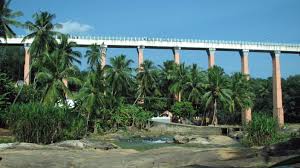
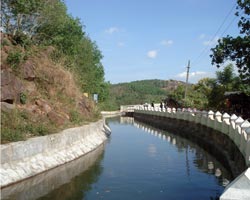
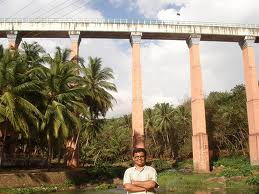
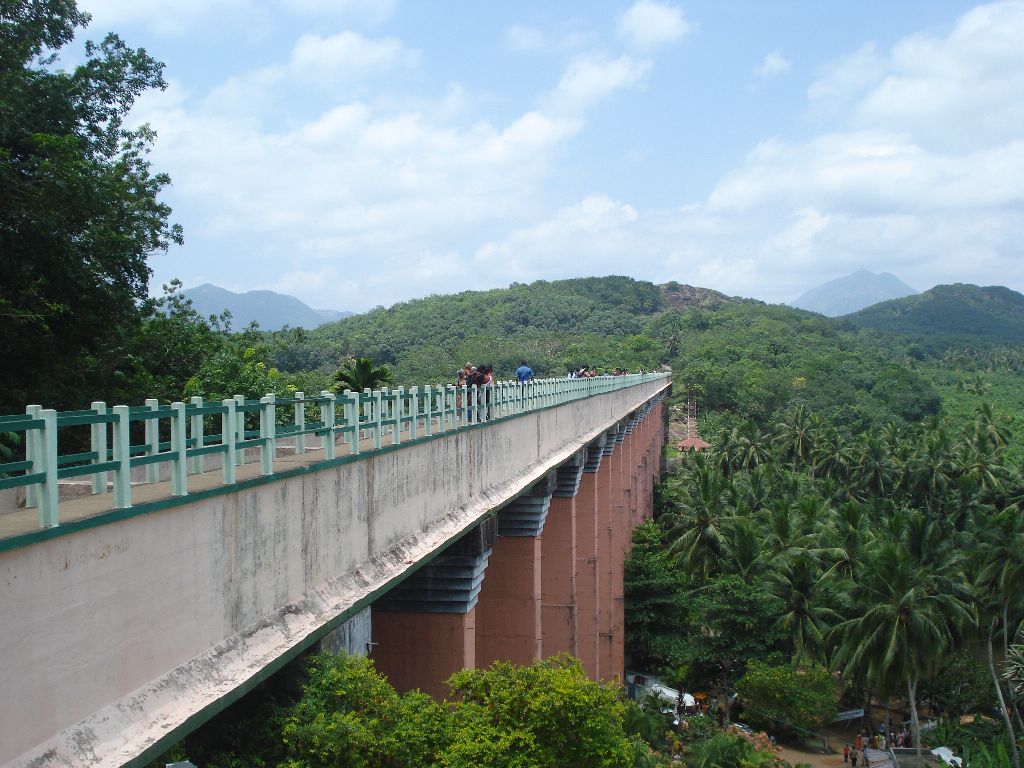
Mathur Hanging Trough is one of those monuments or places that is world famous for its many qualities. It is located in southernmost district of India. Mathur Hanging Trough is a bridge trough that is situated over the river of Pahrali. However, what makes Mathur Hanging Trough so interesting is the fact that Mathur Hanging Trough is the longest and also the highest aqueduct that can be found in the continent of Asia. Although Mathur Hanging Trough was constructed as a drought measure, it was kept in place due to its qualities and historical Arrraction that it offered.

Mathur Hanging Trough in Kanyakumari

Mathur Hanging Trough in Kanyakumari

HistoryEdit

The Aqueduct is built across the Pahrali river, a small river that originates in the Mahendragiri Hills of the Western Ghats. Mathur Aqueduct itself carries water of the Pattanamkal canal for irrigation over the Pahrali river, from one hill to another, for a distance of close to one kilometer. This Aqueduct is necessitated due to the undulating land terrain of the area, which is also adjacent to the hills of the Western Ghats.Mathur Aqueduct is a concrete structure held up by 28 huge pillars, the maximum height of the pillars reaching 115 ft. The trough structure is 7 ft in height, with a width of 7.5 ft. The trough is partly covered on top with concrete slabs, allowing people to walk on the bridge and also see the water going through the trough. Some of the pillars are set in rocks of the Pahrali river, though some of the pillars are set in hills on either side.

Must SeeEdit

Popular

Visiting TimeEdit

9.30 am to 5.30 pm

Closed OnEdit

N.A.

Best Season to VisitEdit

October to March

Best Time To VisitEdit

Morning,Afternoon & Evening

Time Required for SightseeingEdit

N.A.

Ticket Required :  No Edit

Individual National Adult Rs. : N.A.

Kids Rs. : N.A.

Individual Foreigner Adult Rs. : N.A.

Kids Rs. : N.A.

Still Photo Camera Rs. : N.A.

Video Camera Rs. : N.A.

Guide Required : No Edit

Approximate cost: N.A.

Dress Code (If Any) : No Edit

Dress Require: N.A.

Restaurants NearbyAdd / Edit

  • N.A. ;  N.A. ; Ph/M –  N.A. ; Food Serve –  N.A.

How to ReachEdit

Taxi : (Kanniyakumari Car Rental), taxiGUIDE.in ☎ +91 888 023 4455 (support@taxiguide.in), [1]. Inquiry: 7am to 11pm. Kanniyakumari Car Rental services on taxiGUIDE.in – a Chauffeur Driven Car Rental service in 75 Cities in India. Fares start from Rs.2000 for full day local & Rs.14.5/km for Outstation.

BUS : From Thirvananthapuram (or Kovalam Beach) or take one of the daily Kanyakumari tours organised by KTDC (Kerala Tourism Development Corporation). Frequent buses run from Thiruvananthapuram’s Thampanoor bus stand for Padmanabhampuram, on the highway to Kanyakumari. Best way is to board any bus for Nagercoil or Kanyakumari and alight at Thuckalay. You could also hire a cab from Thiruvananthapuram.

Train : Kanyakumari (CAPE), Kanyakumari Railway Station and the nearest 2 nd railway station is at Nagercoil (15km) and local station is Iraniel (6km) from the palace.Railways are considered as the most prominent means of transport to get here. Travelers can get any number of trains to reach Kanyakumari including trains to Delhi and Bangalore. The Kanyakumari express, Himsagar express, Kanyakumari Howrah express, Tirrukural express, Bangalore express and Island express and many others are some trains which operate from major cities connecting Kanyakumari.

Air : Nearest Airport is Trivandrum International Airport which is at a distance of 87 km from Kanyakumari. Trivandrum airport is well connected with many major cities in India and abroad. Direct flights from many gulf countries are available from Trivandrum. Tourist taxi charges about Rs 1,500 from Trivandrum to Kanyakumari.

Others : Most people travel around Kanniyakumari using a hired vehicle. Auto-rickshaws (tuk tuks) are available, along with buses. Buses are about Rs15 from the station to the point, and Rs 7.5 from the bus station to the point.

Things to CarryEdit

Carry along sunshades and a bottle of drinking water

Safety / WarningEdit

Start your trip early in the day before the sun is up in the sky.

HelplineEdit

Police – 100
Fire – 101
Women Helpline -1091
Ambulance – 1066/102
Child Helpline – 1098
Railway Enquiry -1361/152

Gallery


View All Sight of Kanyakumari... Click Here

Suchindram
Thiruparrapu Falls
Olakaruvi Falls

Wax Museum

India /Tamil Nadu /Kanyakumari /Kanyakumari

Sight Address : Wax Museum,Kanniyakumari Center, Kanyakumari, India Edit

Detail InformationEdit

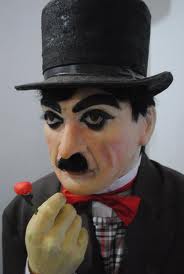
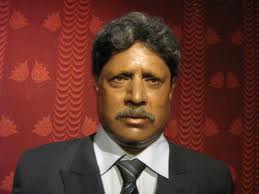
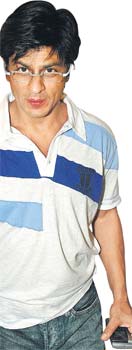
Wax museum is located at Baywatch Amusement Park in Kanyakumari.The museum houses wax sculptures of several famous celebrities from diverse fields from both India as well as the world, such as Swami Vivekananda, Mahatma Gandhi, Amitabh Bachchan, Sachin Tendulkar, Rajnikanth, Shahrukh Khan, Indira Gandhi, Mother Teresa, Jackie Chan, etc. These wax sculptures have been made by eminent local wax sculptors.The idea behind this Kanyakumari wax museum is similar to the idea behind the creation of the famous Madame Tussauds wax museum of London.

Wax Museum

Wax Museum


HistoryEdit

This one is for those like a little bit of fun in everything. The first of its kind in the country, it was started in 2005 in Baywatch Amusement Park. A kind of Madame Tussaud’s, the wax figures in this museum include famous personalities like Dr. Manmohan Singh, Amitabh Bachchan,, Thiruvananthapuram-Nagercoil National Highway Michael Jackson and Jackie Chan among others. If you have a dream of meeting the famous star Rajnikanth, you dream will be half fulfilled as the wax statue of him in this museum is very much alike the real actor himself. Live your fantasy in Wax museum.From a serious take on history to a entertaining one, don’t miss out trips to these museums. Go back to the past with the ancient artifacts and travel around the world and meet famous personalities in the wax museum. You might even wanna do a jig with the Michael jackson figure!
Must SeeEdit

Attraction

Visiting TimeEdit

7.00 AM to 7.00 PM

Closed OnEdit

N.A.

Best Season to VisitEdit

October to March

Best Time To VisitEdit

Morning,Afternoon & Evening

Time Required for SightseeingEdit

N.A.

Ticket Required : Yes Edit

Individual National Adult Rs. : Rs. 50

Kids Rs. : Rs. 40

Individual Foreigner Adult Rs. : Rs. 50

Kids Rs. : Rs. 40

Still Photo Camera Rs. : N.A.

Video Camera Rs. : N.A.

Guide Required : No Edit

Approximate cost: N.A.

Dress Code (If Any) : No Edit

Dress Require: N.A.

Restaurants NearbyAdd / Edit

  • N.A. ;  N.A. ; Ph/M –  N.A. ; Food Serve –  N.A.

How to ReachEdit

Taxi : (Kanniyakumari Car Rental), taxiGUIDE.in ☎ +91 888 023 4455 (support@taxiguide.in), [1]. Inquiry: 7am to 11pm. Kanniyakumari Car Rental services on taxiGUIDE.in – a Chauffeur Driven Car Rental service in 75 Cities in India. Fares start from Rs.2000 for full day local & Rs.14.5/km for Outstation.

BUS : From Thirvananthapuram (or Kovalam Beach) or take one of the daily Kanyakumari tours organised by KTDC (Kerala Tourism Development Corporation). Frequent buses run from Thiruvananthapuram’s Thampanoor bus stand for Padmanabhampuram, on the highway to Kanyakumari. Best way is to board any bus for Nagercoil or Kanyakumari and alight at Thuckalay. You could also hire a cab from Thiruvananthapuram.

Train : Kanyakumari (CAPE), Kanyakumari Railway Station and the nearest 2 nd railway station is at Nagercoil (15km) and local station is Iraniel (6km) from the palace.Railways are considered as the most prominent means of transport to get here. Travelers can get any number of trains to reach Kanyakumari including trains to Delhi and Bangalore. The Kanyakumari express, Himsagar express, Kanyakumari Howrah express, Tirrukural express, Bangalore express and Island express and many others are some trains which operate from major cities connecting Kanyakumari.

Air : Nearest Airport is Trivandrum International Airport which is at a distance of 87 km from Kanyakumari. Trivandrum airport is well connected with many major cities in India and abroad. Direct flights from many gulf countries are available from Trivandrum. Tourist taxi charges about Rs 1,500 from Trivandrum to Kanyakumari.

Others : Most people travel around Kanniyakumari using a hired vehicle. Auto-rickshaws (tuk tuks) are available, along with buses. Buses are about Rs15 from the station to the point, and Rs 7.5 from the bus station to the point.

Things to CarryEdit

Carry along sunshades and a bottle of drinking water

Safety / WarningEdit

Maintain absolute silence inside the mandapams. Please do not litter anywhere.

HelplineEdit

Police – 100
Fire – 101
Women Helpline -1091
Ambulance – 1066/102
Child Helpline – 1098
Railway Enquiry -1361/151

Gallery


View All Sight of Kanyakumari... Click Here

Suchindram
Thiruparrapu Falls
Olakaruvi Falls