Author Archives: tourmet

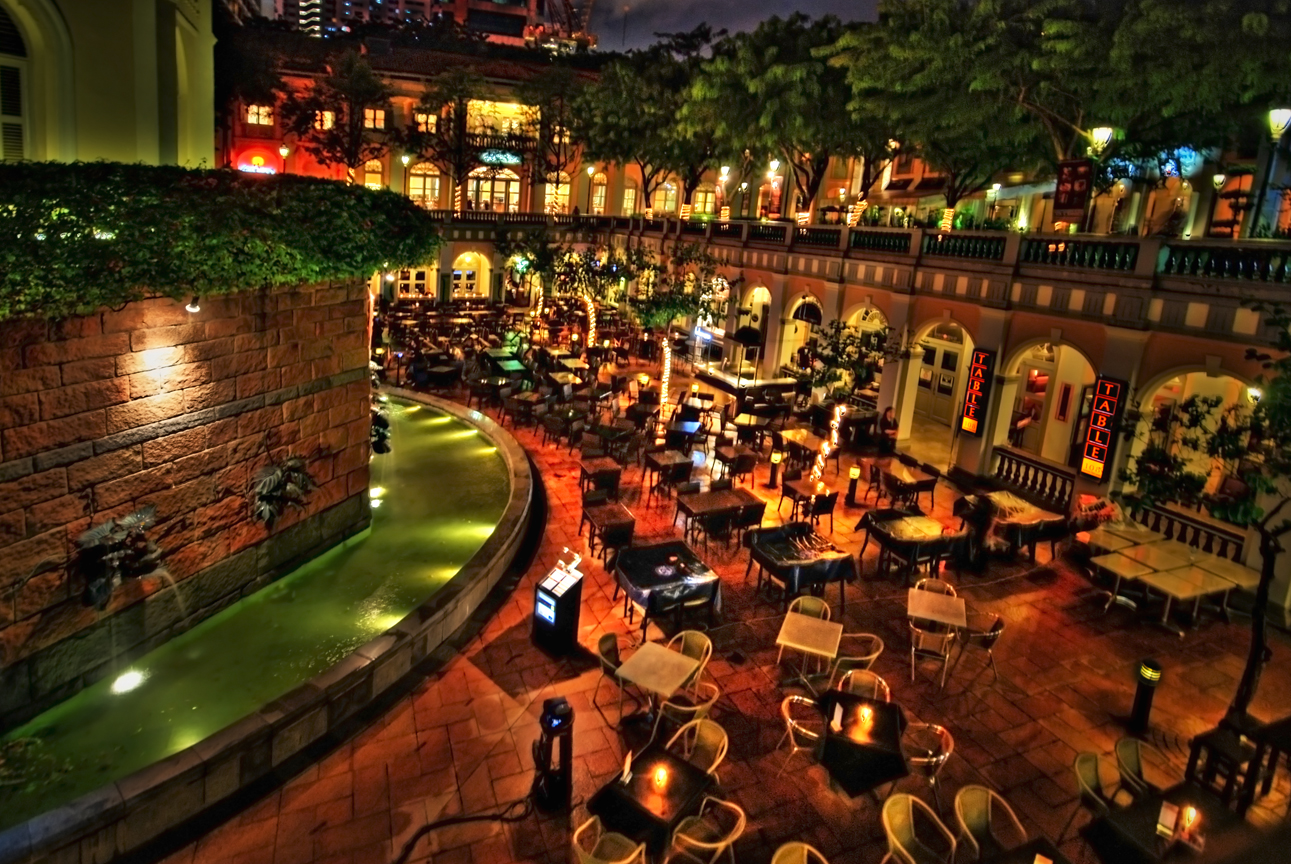
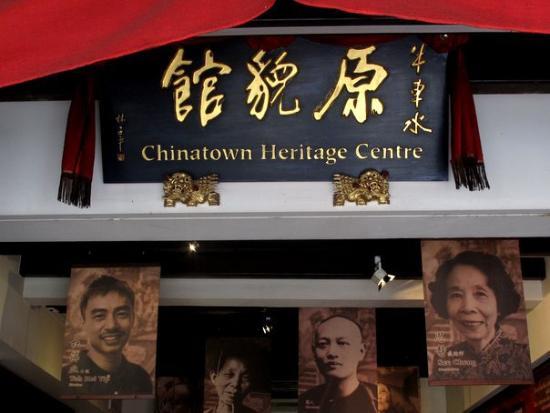
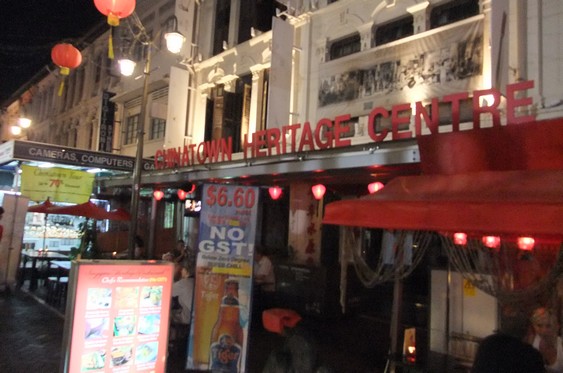
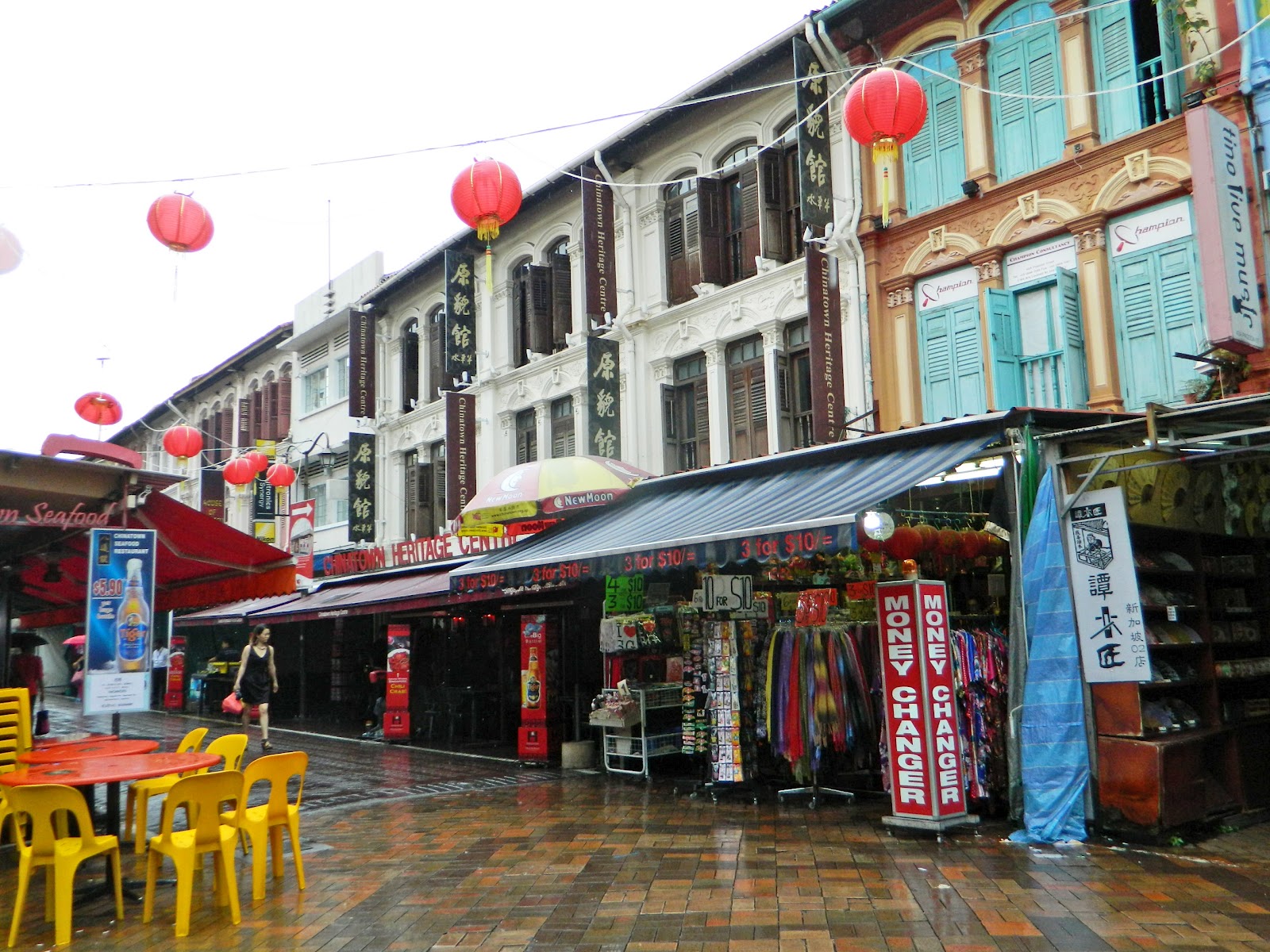
Chinatown Heritage Centre

Singapore /Singapore /Singapore

Sight Address : 61-01 One Raffles Place 1 Raffles Place, Singapore 048616, Singapore Edit

Detail InformationEdit

N.A.

Chinatown Heritage Centre

Chinatown Heritage Centre

HistoryEdit

N.A.

Must SeeEdit

Attraction

Visiting TimeEdit

Sunday -Thursday:-10:00 am – 1:00 am
Friday -Saturday:-10:00 am – 3:00 am

Closed OnEdit

N.A.

Best Season to VisitEdit

June to July and November to December.

Best Time To VisitEdit

N.A.

Time Required for SightseeingEdit

N.A.

Ticket Required : Yes Edit

Individual National Adult  : N.A.

Kids : N.A.

Individual Foreigner Adult  : N.A.

Kids : N.A.

Still Photo Camera : N.A.

Video Camera  : N.A.

Guide Required : No Edit

Approximate cost: N.A.

Dress Code (If Any) : No Edit

Dress Require: N.A.

Restaurants NearbyAdd / Edit

  • Thanying Restaurants ;  1 Larkhill Rd Singapore 099394 ; Ph/M –  65 6825 3881 ; Food Serve –  south china sea · royal thai cuisine.

How to ReachEdit

Taxi : Taxis are generally very hard to get during peak hours (Mon-Fri 7:00am – 9:30am and Mon-Sat 5:00pm – 8:00pm) and on rainy days. If you are at a hotel, have conceirge call you a taxi. If you are out about town and have access to a cell phone- calling for a taxi will cut your wait time by 20 to 30 minutes. All taxis are fitted with meters; all are air conditioned; the majority of the taxis are 5-seaters; about 90% of taxis have radiophones; call booking is done via GPS or digital voice dispatch. All passengers must fasten their seat belts by law.
For taxi Booking fee is SGD $2.3. Minimum fare for taxi is SGD $3 for first 1Km. Fare above minimum fare until 10Km is SGD $0.55 per Km. Fare above 10Km is charge SGD $0.628 per Km. Taxi Waiting charges per hour is SGD $17.6. Peak Hours charges is diffrent.

Bus : Public buses run daily from 5.30am to midnight. Extended night services cost slightly more (a flat rate ranging from $1.50-$3.00). Otherwise, most fares depend on distance travelled and range from 67 cents to $1.58 for air-conditioned comfort (almost all public buses in Singapore have air-conditioning today). There are also “feeder” bus services that charge a flat rate of 67 cents. Each bus should not take more than 15 to 20 minutes to arrive at the bus stop.

Train : Singapore MRT system is very well connected to different parts of Singapore and very clean! If you have the time and plan to explore around little Sunny island, get the the Singapore Tourist Pass!
It runs 6am-12mn, fares start at S$1 (70cents in EZ link). Tickets can be purchased in all MRT stations. You just have to insert your money through the ticket machine. Rush hour’s usually 7am-9am, 11am-2pm and 4pm-7pm.

Air : Changi Airport is the country’s main airport. From the airport there are a number of ways to get into the city:
Taxi is easiest – simply follow the signs after clearing customs. Meters are always used in Singapore and prices are reasonable. A trip to the city during the day will be between $20-$30 including $3-5 airport surcharge. An additional 50% surcharge applies between midnight and 06:00.
Limousines charge a flat $50 to anywhere in the city and are a pretty good deal after midnight, as you can skip the queue and avoid the surcharge. The same pricing applies to chartering van-sized MaxiCabs, which are good for large families or if you have lots of baggage.
Shuttle – Shared six-seater MaxiCab shuttle service to designated areas/hotels costs $7 and can be booked in advance or in the arrivals hall. 6AM-2AM, every 15-30 min.
Subway – MRT trains run from a station between T2 and T3, but you’ll need to change trains at Tanah Merah to a city-bound train: just exit through the left hand side door and cross the platform. The 30 min ride to City Hall station costs $1.90 plus a refundable $1 deposit, and trains run 05:31-23:18.
Bus – Bus terminals can be found in the basements of T1, T2 and T3. 06:00-23:59 only. Fares are less than $2.00, exact fare required (no change given) if you pay cash.

Others : N.A.

Things to CarryEdit

Safety / WarningEdit

  • Please be advised that all bags and personal items are subject to inspection.

HelplineEdit

  • Police: 999
  • Emergencies/Ambulance/Fire Brigade: 999
  • Police Hotline: 1800 353 0000
  • Non-emergency ambulance: 1777
  • Flight Information (24-hours): 1800-542 4422
  • Tourism Information (24-hours): 1800-736 2000
Gallery

View All Sight of Singapore… Click Here

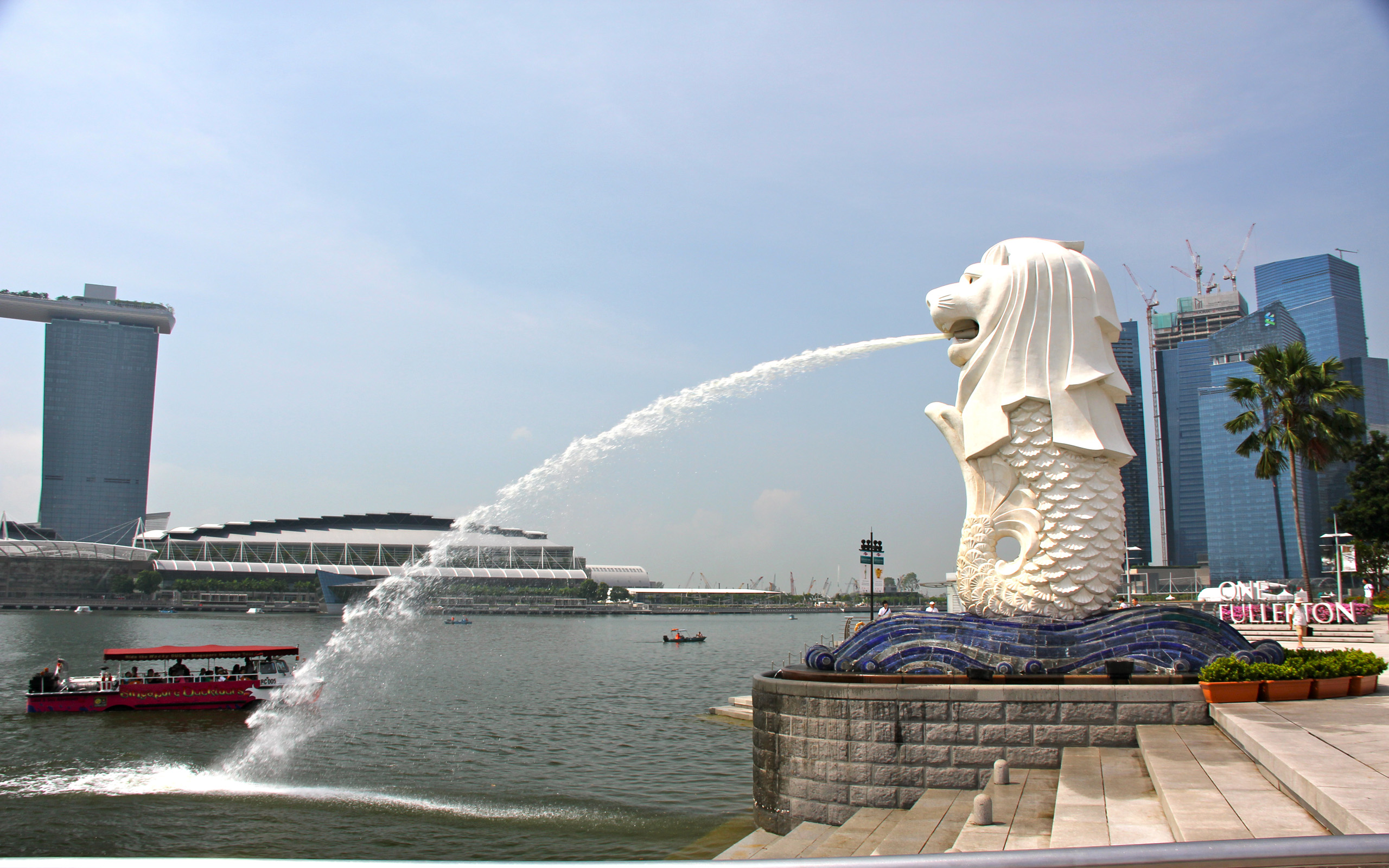
Merlion Park & Statue

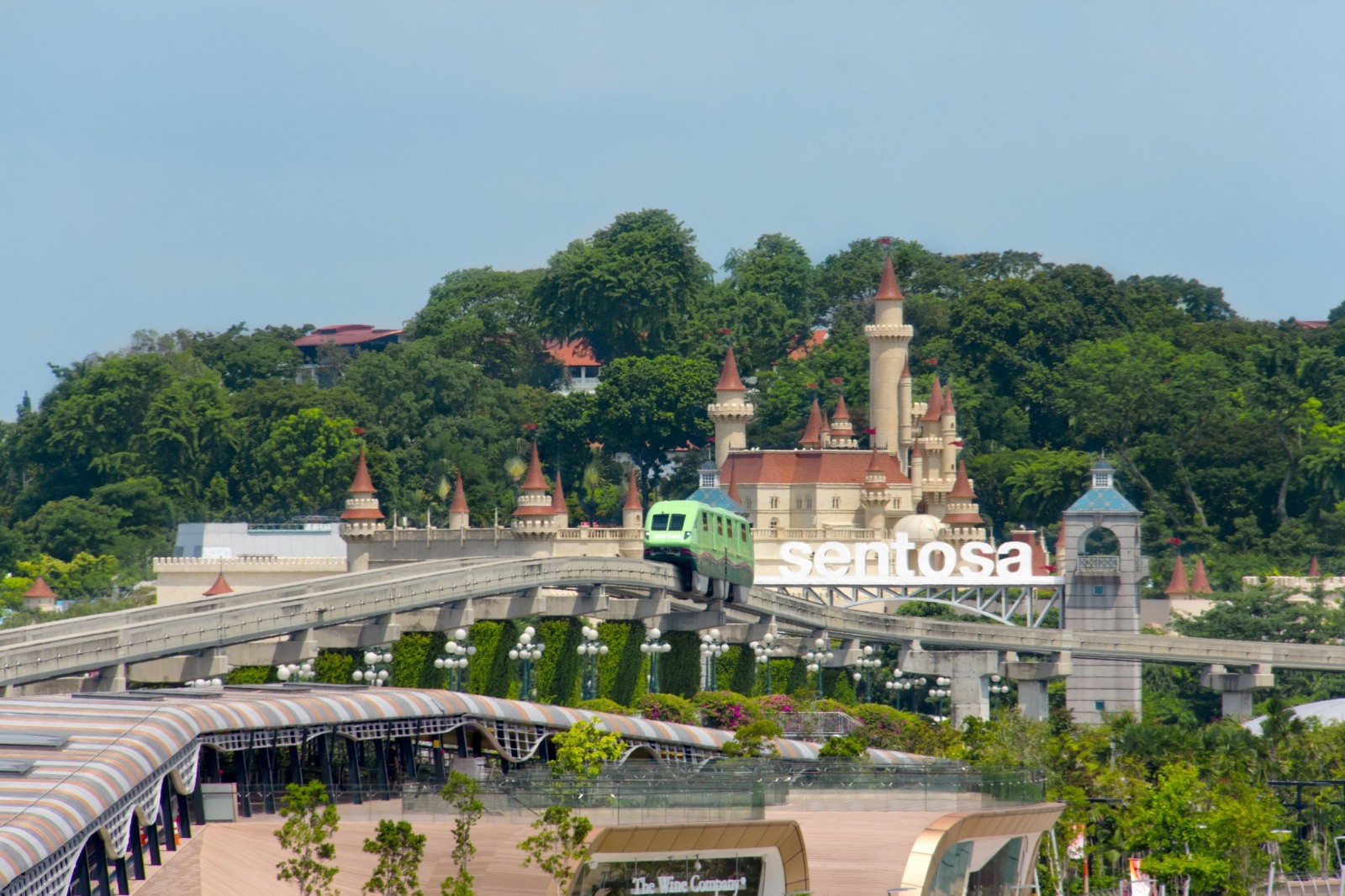
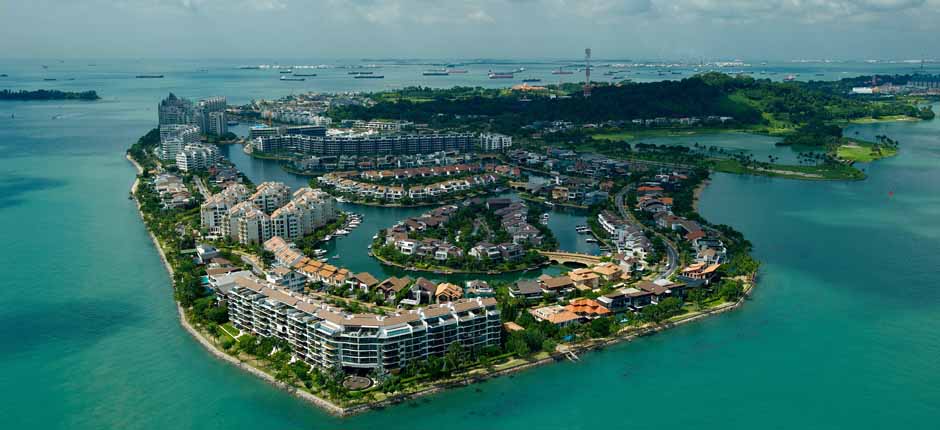
Sentosa Island

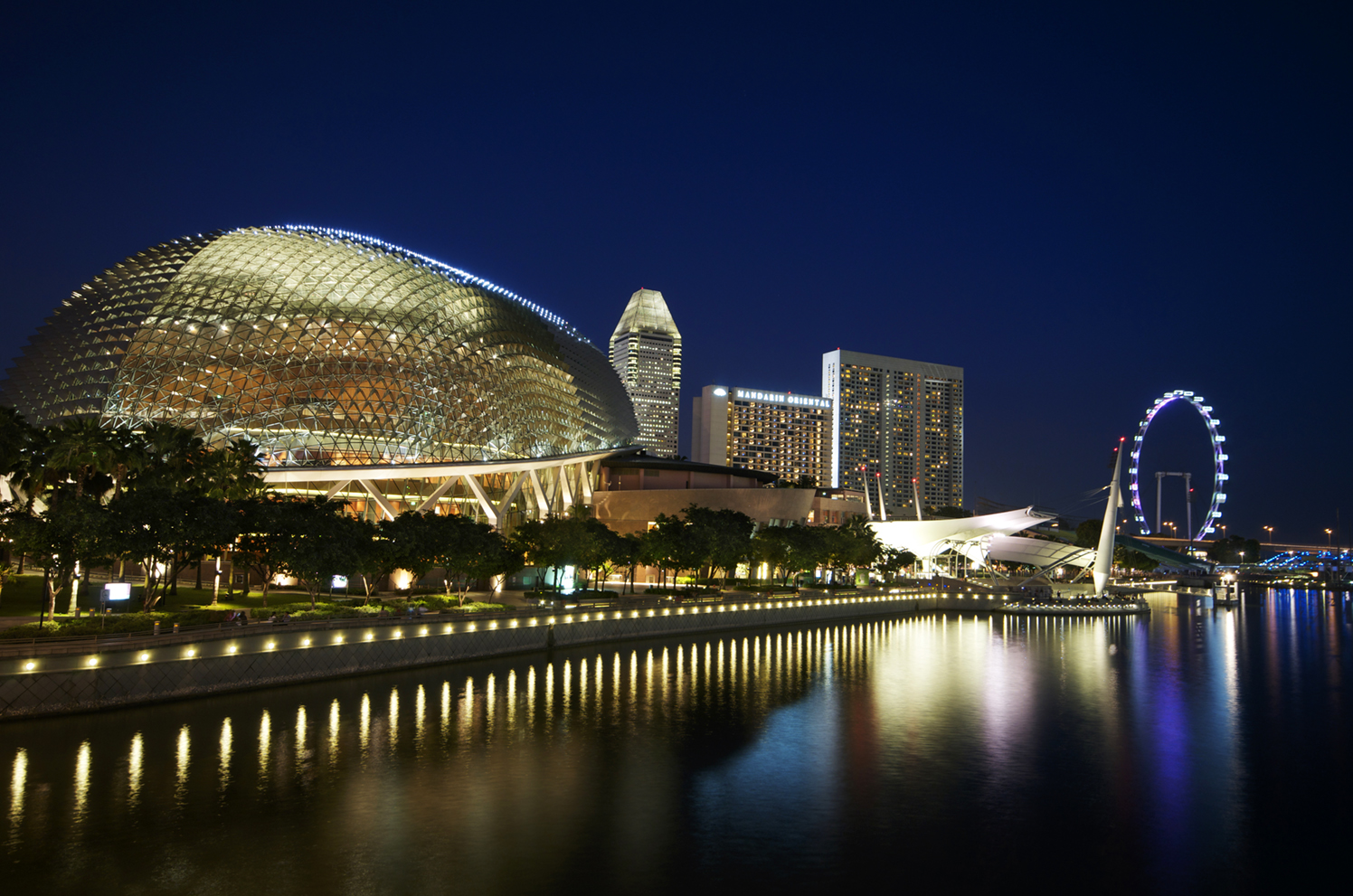
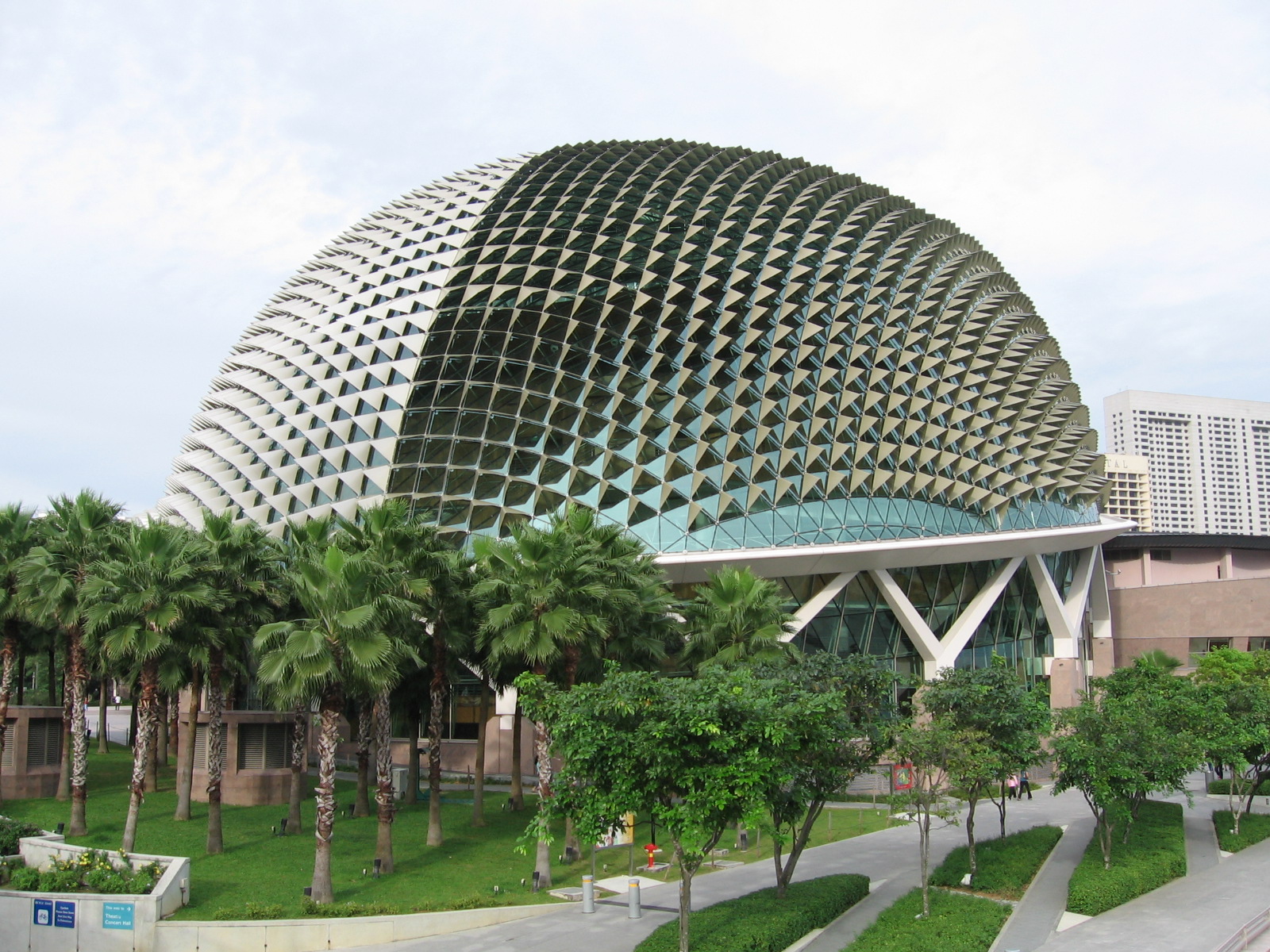
Esplanade Theatres

Changi Golf Club

Singapore /Singapore /Singapore

Sight Address : 20 Netheravon Road, Singapore 508505, Singapore.Edit

Detail InformationEdit

N.A.

HistoryEdit

N.A.

Must SeeEdit

Popular

Visiting TimeEdit

Mondays-12 noon – 2.30 pm.
Tuesdays & Wednesdays 7.30am – 2.30pm.

Closed OnEdit

N.A.

Best Season to VisitEdit

June to July and November to December.

Best Time To VisitEdit

N.A.

Time Required for SightseeingEdit

N.A.

Ticket Required :  Edit

Membership prices 9,000 And 3,000

Individual National Adult  : N.A.

Kids : N.A.

Individual Foreigner Adult  : N.A.

Kids : N.A.

Still Photo Camera : N.A.

Video Camera  : N.A.

Guide Required : No Edit

Approximate cost: N.A.

Dress Code (If Any) : No Edit

Dress Require: N.A.

Restaurants NearbyAdd / Edit

How to ReachEdit

Taxi : Taxis are generally very hard to get during peak hours (Mon-Fri 7:00am – 9:30am and Mon-Sat 5:00pm – 8:00pm) and on rainy days. If you are at a hotel, have conceirge call you a taxi. If you are out about town and have access to a cell phone- calling for a taxi will cut your wait time by 20 to 30 minutes. All taxis are fitted with meters; all are air conditioned; the majority of the taxis are 5-seaters; about 90% of taxis have radiophones; call booking is done via GPS or digital voice dispatch. All passengers must fasten their seat belts by law.
For taxi Booking fee is SGD $2.3. Minimum fare for taxi is SGD $3 for first 1Km. Fare above minimum fare until 10Km is SGD $0.55 per Km. Fare above 10Km is charge SGD $0.628 per Km. Taxi Waiting charges per hour is SGD $17.6. Peak Hours charges is diffrent.

Bus : Public buses run daily from 5.30am to midnight. Extended night services cost slightly more (a flat rate ranging from $1.50-$3.00). Otherwise, most fares depend on distance travelled and range from 67 cents to $1.58 for air-conditioned comfort (almost all public buses in Singapore have air-conditioning today). There are also “feeder” bus services that charge a flat rate of 67 cents. Each bus should not take more than 15 to 20 minutes to arrive at the bus stop.

Train : Singapore MRT system is very well connected to different parts of Singapore and very clean! If you have the time and plan to explore around little Sunny island, get the the Singapore Tourist Pass!
It runs 6am-12mn, fares start at S$1 (70cents in EZ link). Tickets can be purchased in all MRT stations. You just have to insert your money through the ticket machine. Rush hour’s usually 7am-9am, 11am-2pm and 4pm-7pm.

Air : Changi Airport is the country’s main airport. From the airport there are a number of ways to get into the city:
Taxi is easiest – simply follow the signs after clearing customs. Meters are always used in Singapore and prices are reasonable. A trip to the city during the day will be between $20-$30 including $3-5 airport surcharge. An additional 50% surcharge applies between midnight and 06:00.
Limousines charge a flat $50 to anywhere in the city and are a pretty good deal after midnight, as you can skip the queue and avoid the surcharge. The same pricing applies to chartering van-sized MaxiCabs, which are good for large families or if you have lots of baggage.
Shuttle – Shared six-seater MaxiCab shuttle service to designated areas/hotels costs $7 and can be booked in advance or in the arrivals hall. 6AM-2AM, every 15-30 min.
Subway – MRT trains run from a station between T2 and T3, but you’ll need to change trains at Tanah Merah to a city-bound train: just exit through the left hand side door and cross the platform. The 30 min ride to City Hall station costs $1.90 plus a refundable $1 deposit, and trains run 05:31-23:18.
Bus – Bus terminals can be found in the basements of T1, T2 and T3. 06:00-23:59 only. Fares are less than $2.00, exact fare required (no change given) if you pay cash.

Others : N.A.

Things to CarryEdit

Safety / WarningEdit

  • Please be advised that all bags and personal items are subject to inspection.

HelplineEdit

  • Police: 999
  • Emergencies/Ambulance/Fire Brigade: 999
  • Police Hotline: 1800 353 0000
  • Non-emergency ambulance: 1777
  • Flight Information (24-hours): 1800-542 4422
  • Tourism Information (24-hours): 1800-736 2000
Gallery


View All Sight of Singapore… Click Here

Merlion Park & Statue

Sentosa Island

Esplanade Theatres

Changi Murals

Singapore /Singapore /Singapore

Sight Address : Changi Camp Block 151 Martlesham Road, Singapore, Singapore.Edit

Detail InformationEdit

The Changi Murals were painted between 1942 and 1943 by a British Prisoner of War, Bombardier Stanley Warren, of 15 Field Regiment, Royal Regiment of Artillery.The Murals were painted in Block 151 Roberts Barracks, Changi Camp, Singapore, then the dysentery wing of the P.O.W. hospital.Roberts Barracks and Changi Prison have been demolished, but the building containing the Murals remains as a lasting legacy of man’s will to overcome even the worst adversity.The Changi Murals are a set of five paintings of biblical theme painted by Stanley Warren, a British bombardier and prisoner-of-war (POW) interned at the Changi Prison, during the Japanese occupation of Singapore in World War II (WWII). His murals were completed under difficult conditions of sickness, limited materials and hardships. With a message of universal love and forgiveness, they helped to uplift the spirits of the POWs and sick when they sought refuge in the prison chapel.After the war, the walls of the chapel were distempered over, hiding the murals from view. They were forgotten until its rediscovery in 1958. Due to their historical significance, an international search was conducted to locate the original painter in helping to restore the damaged and faded murals. Stanley was eventually found in 1959 and, after much persuasion, agreed to assist in the restoration project. He made three trips to Singapore between 1963 to 1988 to restore his former paintings. Due to Stanley’s advanced age, only four of the original murals were fully restored. In the 1990s, the former site of the murals was gazetted as a Heritage Site by the National Heritage Board of Singapore.

HistoryEdit

Stanley Warren was born in England in 1917. He was talented in art from young and was a religious man. Stanley was employed as a commercial designer producing poster ads with the Grenada organisation before the war. In January 1940, he enlisted in the army to join the fight against Nazi Germany and was posted to the Royal Regiment of Artillery as an Observation Post Assistant. His responsibilities included having to make quick drawings of panoramas used to plot targets for the guns.

Must SeeEdit

Attraction

Visiting TimeEdit

9:30 am to 5 pm.

Closed OnEdit

N.A.

Best Season to VisitEdit

June to July and November to December.

Best Time To VisitEdit

N.A.

Time Required for SightseeingEdit

N.A.

Ticket Required : No Edit

Individual National Adult  : N.A.

Kids : N.A.

Individual Foreigner Adult  : N.A.

Kids : N.A.

Still Photo Camera : N.A.

Video Camera  : N.A.

Guide Required : No Edit

Approximate cost: N.A.

Dress Code (If Any) : No Edit

Dress Require: N.A.

Restaurants NearbyAdd / Edit

  • Paulaner Bräuhaus Singapore ;  Bata – Millenia Walk 9 Raffles Blvd Singapore 039596 ; Ph/M –  65 6883 2572 ; Food Serve –  Restaurant:_pork knuckle · german beer · brewed in house · freshly brewed · crispy pork

How to ReachEdit

Taxi : Taxis are generally very hard to get during peak hours (Mon-Fri 7:00am – 9:30am and Mon-Sat 5:00pm – 8:00pm) and on rainy days. If you are at a hotel, have conceirge call you a taxi. If you are out about town and have access to a cell phone- calling for a taxi will cut your wait time by 20 to 30 minutes. All taxis are fitted with meters; all are air conditioned; the majority of the taxis are 5-seaters; about 90% of taxis have radiophones; call booking is done via GPS or digital voice dispatch. All passengers must fasten their seat belts by law.
For taxi Booking fee is SGD $2.3. Minimum fare for taxi is SGD $3 for first 1Km. Fare above minimum fare until 10Km is SGD $0.55 per Km. Fare above 10Km is charge SGD $0.628 per Km. Taxi Waiting charges per hour is SGD $17.6. Peak Hours charges is diffrent.

Bus : Public buses run daily from 5.30am to midnight. Extended night services cost slightly more (a flat rate ranging from $1.50-$3.00). Otherwise, most fares depend on distance travelled and range from 67 cents to $1.58 for air-conditioned comfort (almost all public buses in Singapore have air-conditioning today). There are also “feeder” bus services that charge a flat rate of 67 cents. Each bus should not take more than 15 to 20 minutes to arrive at the bus stop.

Train : Singapore MRT system is very well connected to different parts of Singapore and very clean! If you have the time and plan to explore around little Sunny island, get the the Singapore Tourist Pass!
It runs 6am-12mn, fares start at S$1 (70cents in EZ link). Tickets can be purchased in all MRT stations. You just have to insert your money through the ticket machine. Rush hour’s usually 7am-9am, 11am-2pm and 4pm-7pm.

Air : Changi Airport is the country’s main airport. From the airport there are a number of ways to get into the city:
Taxi is easiest – simply follow the signs after clearing customs. Meters are always used in Singapore and prices are reasonable. A trip to the city during the day will be between $20-$30 including $3-5 airport surcharge. An additional 50% surcharge applies between midnight and 06:00.
Limousines charge a flat $50 to anywhere in the city and are a pretty good deal after midnight, as you can skip the queue and avoid the surcharge. The same pricing applies to chartering van-sized MaxiCabs, which are good for large families or if you have lots of baggage.
Shuttle – Shared six-seater MaxiCab shuttle service to designated areas/hotels costs $7 and can be booked in advance or in the arrivals hall. 6AM-2AM, every 15-30 min.
Subway – MRT trains run from a station between T2 and T3, but you’ll need to change trains at Tanah Merah to a city-bound train: just exit through the left hand side door and cross the platform. The 30 min ride to City Hall station costs $1.90 plus a refundable $1 deposit, and trains run 05:31-23:18.
Bus – Bus terminals can be found in the basements of T1, T2 and T3. 06:00-23:59 only. Fares are less than $2.00, exact fare required (no change given) if you pay cash.

Others : N.A.

Things to CarryEdit

Safety / WarningEdit

  • Please be advised that all bags and personal items are subject to inspection.

HelplineEdit

  • Police: 999
  • Emergencies/Ambulance/Fire Brigade: 999
  • Police Hotline: 1800 353 0000
  • Non-emergency ambulance: 1777
  • Flight Information (24-hours): 1800-542 4422
  • Tourism Information (24-hours): 1800-736 2000
Gallery


View All Sight of Singapore… Click Here

Merlion Park & Statue

Sentosa Island

Esplanade Theatres

Chettiar Temple

Singapore /Singapore /Singapore

Sight Address : 15 Tank Rd, Singapore 238065.Edit

Detail InformationEdit

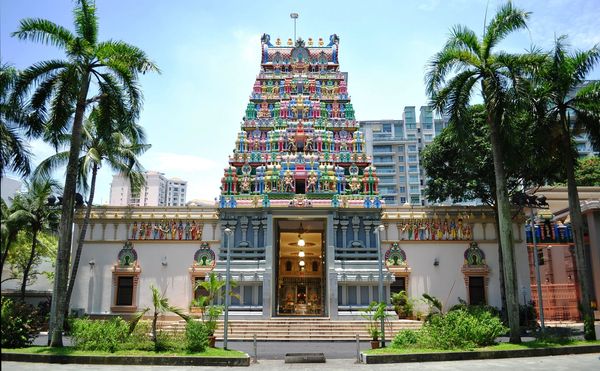
The Sri Thendayuthapani Temple, better known as the Chettiars’ Temple or the Tank Road temple, is one of Singapore Hindu community’s most important monuments. It was built in 1859 by Nattukkottai Chettiar community.This Shaivite temple, dedicated to the six-faced Lord Subramaniam (Lord Muruga), is at its most active during the festival of Thaipusam, where the procession ends here. It is here, during the annual Thaipusam festival, that hundreds of pilgrims, their bodies pierced by hooks, spears and spiked steel structures called Kavadi, end their walk from the Sri Srinivasa Perumal Temple on Serangoon Road. The act of penance is carried out by devotees in gratitude to Lord Subramanian or Murugan, son of Lord Siva, for granting their prayers.

Chettiar Temple

Chettiar Temple

HistoryEdit

The Chettiar community is deeply rooted in the Hindu tradition especially in the Saiva Siddhantha. Members of the community are very devoted to Sri Thendayuthapani also called as Lord Muruga.But it was not until 35 years after their arrival in Singapore that they constructed a proper temple in honour of Sri Thendayuthapani. C M Turnbull, in her book A History of Singapore 1819-1975 records that the Nattukkottai Chettiars built the Subramaniam Temple (a Popular name given to the temple by non Chettiars) in Tank Road in 1859.However prior to that year, they had installed a Vel (spear). a representation of Lord Muruga, under a tree where they offered their prayers. The Vel was installed below a pipal (arasa maram) tree at the bank of a tank (pond). Fresh water from the hill where the Central Park is now, emerged as a waterfall and filled the tank. The location was ideal for the establishment of a temple. The Chettiars took their bath there before offering their prayers to the Vel.The railway line nearby also provided an excellent form of transport to and from Malaya where they had also established their businesses.The tree had to be uprooted when the government acquired the land for re-doing Tank Road. The site where the Vel was now forms part of the slip road that leads to River Valley Road and Clemenceau Avenue.

Must SeeEdit

Must see

Visiting TimeEdit

8am-noon & 5.30-8.30pm

Closed OnEdit

N.A.

Best Season to VisitEdit

June to July and November to December.

Best Time To VisitEdit

N.A.

Time Required for SightseeingEdit

N.A.

Ticket Required : No Edit

Individual National Adult  : N.A.

Kids : N.A.

Individual Foreigner Adult  : N.A.

Kids : N.A.

Still Photo Camera : N.A.

Video Camera  : N.A.

Guide Required : No Edit

Approximate cost: N.A.

Dress Code (If Any) : No Edit

Dress Require: N.A.

Restaurants NearbyAdd / Edit

How to ReachEdit

Taxi : Taxis are generally very hard to get during peak hours (Mon-Fri 7:00am – 9:30am and Mon-Sat 5:00pm – 8:00pm) and on rainy days. If you are at a hotel, have conceirge call you a taxi. If you are out about town and have access to a cell phone- calling for a taxi will cut your wait time by 20 to 30 minutes. All taxis are fitted with meters; all are air conditioned; the majority of the taxis are 5-seaters; about 90% of taxis have radiophones; call booking is done via GPS or digital voice dispatch. All passengers must fasten their seat belts by law.
For taxi Booking fee is SGD $2.3. Minimum fare for taxi is SGD $3 for first 1Km. Fare above minimum fare until 10Km is SGD $0.55 per Km. Fare above 10Km is charge SGD $0.628 per Km. Taxi Waiting charges per hour is SGD $17.6. Peak Hours charges is diffrent.

Bus : Public buses run daily from 5.30am to midnight. Extended night services cost slightly more (a flat rate ranging from $1.50-$3.00). Otherwise, most fares depend on distance travelled and range from 67 cents to $1.58 for air-conditioned comfort (almost all public buses in Singapore have air-conditioning today). There are also “feeder” bus services that charge a flat rate of 67 cents. Each bus should not take more than 15 to 20 minutes to arrive at the bus stop.

Train : Singapore MRT system is very well connected to different parts of Singapore and very clean! If you have the time and plan to explore around little Sunny island, get the the Singapore Tourist Pass!
It runs 6am-12mn, fares start at S$1 (70cents in EZ link). Tickets can be purchased in all MRT stations. You just have to insert your money through the ticket machine. Rush hour’s usually 7am-9am, 11am-2pm and 4pm-7pm.

Air : Changi Airport is the country’s main airport. From the airport there are a number of ways to get into the city:
Taxi is easiest – simply follow the signs after clearing customs. Meters are always used in Singapore and prices are reasonable. A trip to the city during the day will be between $20-$30 including $3-5 airport surcharge. An additional 50% surcharge applies between midnight and 06:00.
Limousines charge a flat $50 to anywhere in the city and are a pretty good deal after midnight, as you can skip the queue and avoid the surcharge. The same pricing applies to chartering van-sized MaxiCabs, which are good for large families or if you have lots of baggage.
Shuttle – Shared six-seater MaxiCab shuttle service to designated areas/hotels costs $7 and can be booked in advance or in the arrivals hall. 6AM-2AM, every 15-30 min.
Subway – MRT trains run from a station between T2 and T3, but you’ll need to change trains at Tanah Merah to a city-bound train: just exit through the left hand side door and cross the platform. The 30 min ride to City Hall station costs $1.90 plus a refundable $1 deposit, and trains run 05:31-23:18.
Bus – Bus terminals can be found in the basements of T1, T2 and T3. 06:00-23:59 only. Fares are less than $2.00, exact fare required (no change given) if you pay cash.

Others : N.A.

Things to CarryEdit

Safety / WarningEdit

  • Please be advised that all bags and personal items are subject to inspection.

HelplineEdit

  • Police: 999
  • Emergencies/Ambulance/Fire Brigade: 999
  • Police Hotline: 1800 353 0000
  • Non-emergency ambulance: 1777
  • Flight Information (24-hours): 1800-542 4422
  • Tourism Information (24-hours): 1800-736 2000
Gallery

View All Sight of Singapore… Click Here

Merlion Park & Statue

Sentosa Island

Esplanade Theatres

Chijmes

Singapore /Singapore /Singapore

Sight Address : 30 Victoria Street, Singapore 187996, Singapore (Formerly Convent of the Holy Infant Jesus) (Downtown Core) Edit

Detail InformationEdit

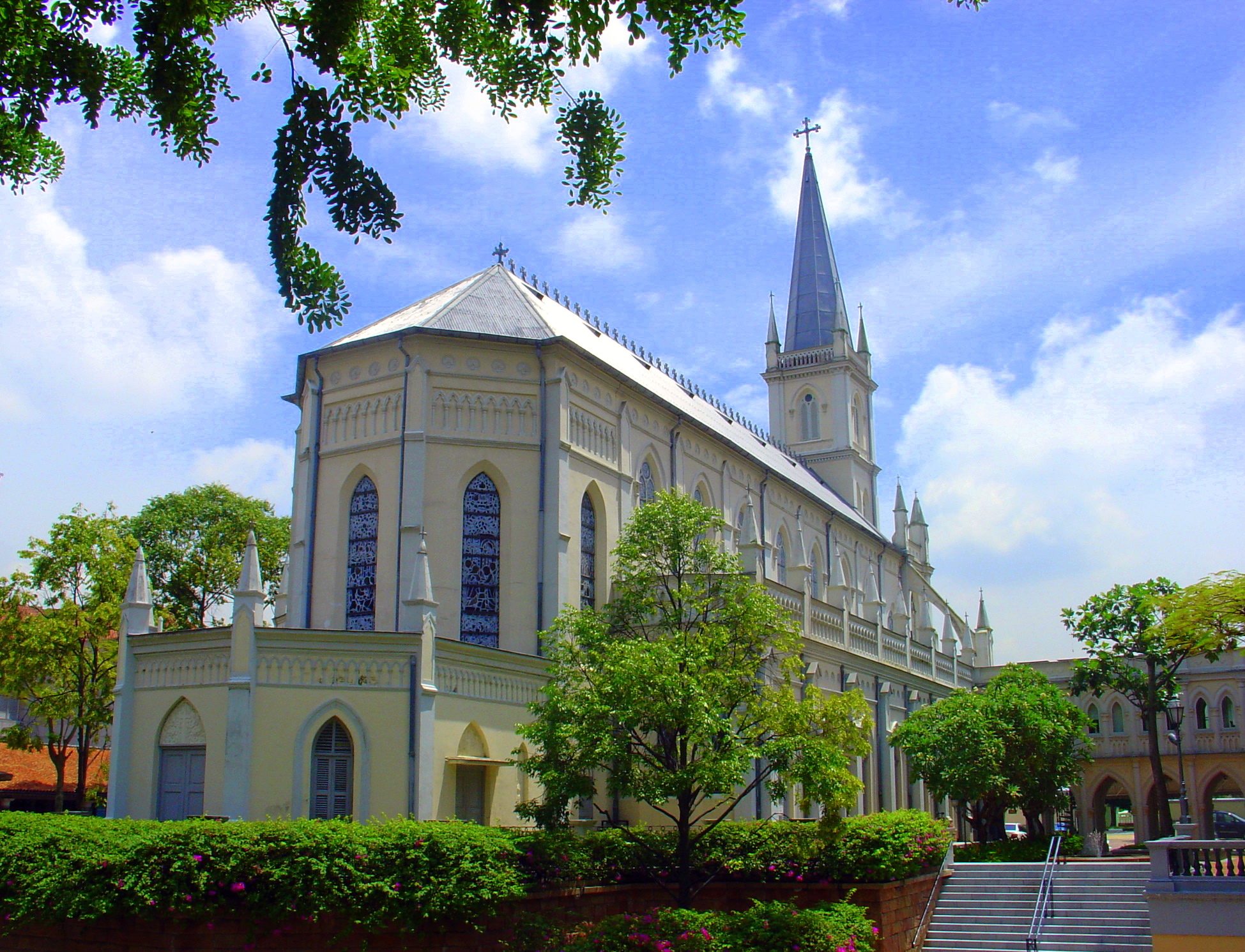
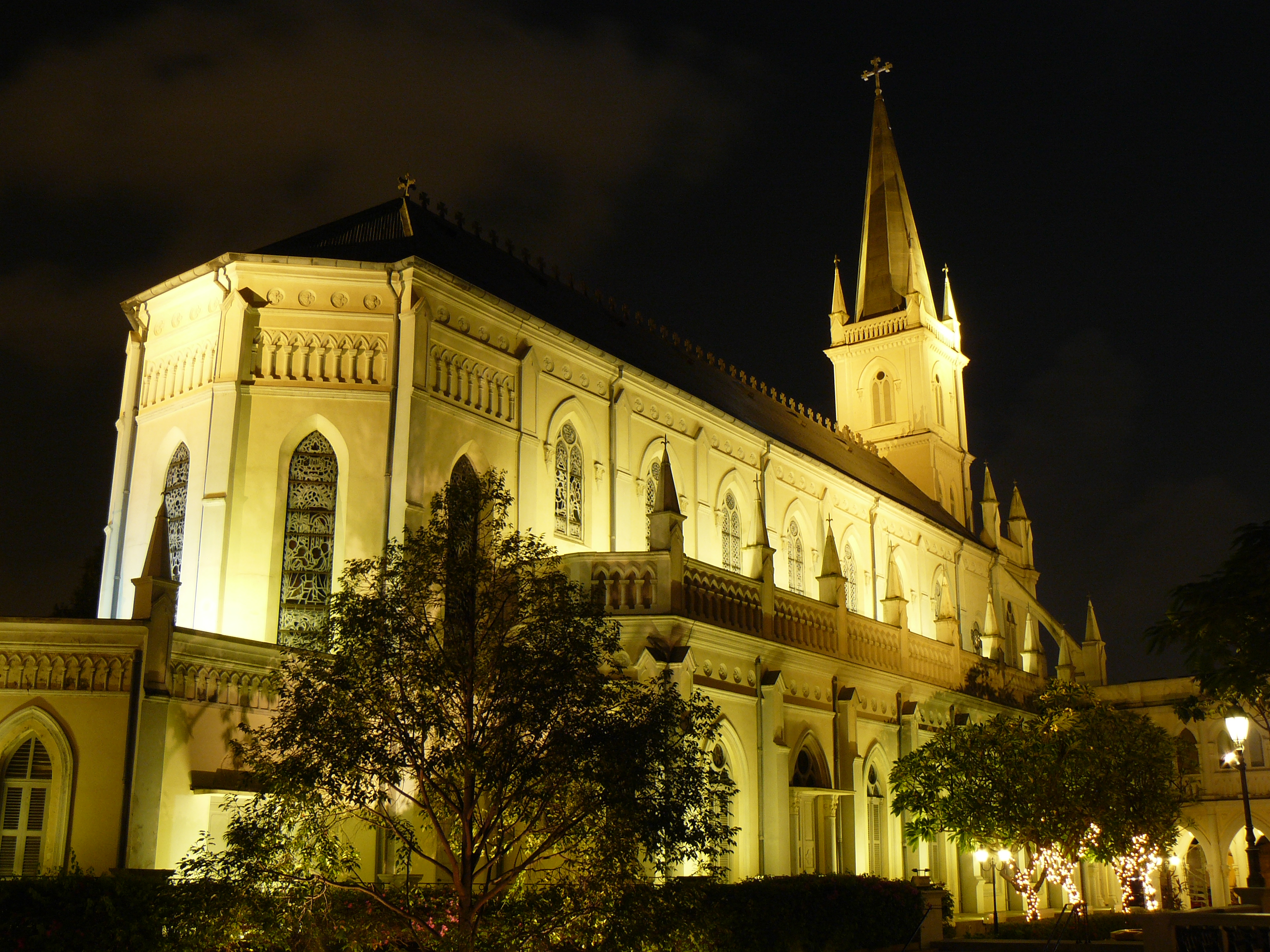
CHIJMES (pronounced “chimes”, Chinese: 赞美广场) is a historic building complex in Singapore, which began life as a Catholic convent known as the Convent of the Holy Infant Jesus (CHIJ) (圣婴女修院) and convent quarters known as Caldwell House (古德威尔屋). The complex is located at Victoria Street in the Downtown Core, within the Central Area, Singapore’s central business district.This complex of convent buildings has a Gothic-style chapel. It was used as a Catholic convent for 132 years, with Caldwell House constructed in 1840–1841 and the chapel in 1904. The chapel, now a multi-purpose hall, is known as CHIJMES Hall (赞美礼堂), and Caldwell House, now an art gallery, have both been gazetted as national monuments. The complex has been restored for commercial purposes as a dining, shopping and entertainment centre with ethnic restaurants, shops and a function hall, providing a backdrop for musicals, recitals, theatrical performances and weddings.

Chijmes Chapel, Singapore

Chijmes Chapel, Singapore

HistoryEdit

In October 1852, four French nuns arrived in Penang after having travelled overland from their native country in caravans. Reverend Mother Mathilde Raclot, leader of this group, was to become a key personality in the early history of the Convent of the Holy Infant Jesus on Victoria Street.On 2 February 1854, the nuns sailed to Singapore from Penang on a mission to build a school for girls, now known as CHIJ Secondary Toa Payoh. On 5 February 1854, they reached the island’s shores and took up residence at the first convent quarters, the now gazetted Caldwell House.The nuns began taking in pupils only ten days after moving in, establishing the first CHIJ school in Singapore. Reverend Mother Mathilde staffed her school with sisters from the parent Society, the Institute of the Charitable Schools of the Holy Infant Jesus of Saint Maur. She dedicated 20 years of her life turning the convent into a school, an orphanage and refuge for women. Two classes were conducted, one for fee-paying students and another for orphans and the poor. Slowly, the nuns managed to restore the house into a simple but austere residence.The Gate of Hope at CHIJMESThe first chapel of the Convent, which had been built around 1850, was in such a bad condition that it was necessary to build a new one. At the end of the 19th century, the Sisters started fund-raising by various means for the new chapel. The old one was becoming so dangerous that the Sisters decided to celebrate mass in Caldwell House.Father Beurel acquired all the nine lots of land between Victoria Street and North Bridge Road, originally belonging to the Raffles Institution, that would constitute the entire convent complex. He presented them all to Reverend Mother Mathilde.After being granted land in 1849 for the formation of Saint Joseph’s Institution, Father Charles Benedict Nain, a priest at Church of Saint Peter and Saint Paul, tried his luck once more for the building of a school for girls. He was refused but, undaunted and after returning re-inspired from his voyage to France in 1852, he was engaged as an architect for the construction of the chapel at the Convent of the Holy Infant Jesus and, on behalf of the Roman Catholic community, was in charge at the same time of the construction of the extension of the Saint Joseph Institution. The construction of the chapel started in 1901 and it was completed by 1904. Father Nain was highly involved in the worksite. He is the author of all the fine architectural details found in the chapel.Much of the knowledge about the daily activities of the convent comes from seven volumes of diaries that were meticulously kept by convent scribes. These diaries cover over a hundred years of convent history, from 1851 to 1971; they are handwritten in French and entitled Annales de Singapour. From their observations, it is known that life within the convent walls was anything but sedate. Apart from daily chores, the nuns also had to organise and attend mass, grade papers, maintain the buildings and the grounds as well as raise money to support their activities.

Must SeeEdit

Popular

Visiting TimeEdit

Daily 24 hrs.

Closed OnEdit

N.A.

Best Season to VisitEdit

June to July and November to December.

Best Time To VisitEdit

N.A.

Time Required for SightseeingEdit

N.A.

Ticket Required : No Edit

Individual National Adult  : N.A.

Kids : N.A.

Individual Foreigner Adult  : N.A.

Kids : N.A.

Still Photo Camera : N.A.

Video Camera  : N.A.

Guide Required : No Edit

Approximate cost: N.A.

Dress Code (If Any) : No Edit

Dress Require: N.A.

Restaurants NearbyAdd / Edit

  • Capella ;  Capella, #01 -29 CHIJMES, 30 Victoria St. Singapore 187996 ; Ph/M –  65 6334 9928 ; Food Serve –  Restaurant:-italian cuisine · contemporary italian · ala carte · mushroom · tomatoes.

How to ReachEdit

Taxi : Taxis are generally very hard to get during peak hours (Mon-Fri 7:00am – 9:30am and Mon-Sat 5:00pm – 8:00pm) and on rainy days. If you are at a hotel, have conceirge call you a taxi. If you are out about town and have access to a cell phone- calling for a taxi will cut your wait time by 20 to 30 minutes. All taxis are fitted with meters; all are air conditioned; the majority of the taxis are 5-seaters; about 90% of taxis have radiophones; call booking is done via GPS or digital voice dispatch. All passengers must fasten their seat belts by law.
For taxi Booking fee is SGD $2.3. Minimum fare for taxi is SGD $3 for first 1Km. Fare above minimum fare until 10Km is SGD $0.55 per Km. Fare above 10Km is charge SGD $0.628 per Km. Taxi Waiting charges per hour is SGD $17.6. Peak Hours charges is diffrent.

Bus : Public buses run daily from 5.30am to midnight. Extended night services cost slightly more (a flat rate ranging from $1.50-$3.00). Otherwise, most fares depend on distance travelled and range from 67 cents to $1.58 for air-conditioned comfort (almost all public buses in Singapore have air-conditioning today). There are also “feeder” bus services that charge a flat rate of 67 cents. Each bus should not take more than 15 to 20 minutes to arrive at the bus stop.

Train : Singapore MRT system is very well connected to different parts of Singapore and very clean! If you have the time and plan to explore around little Sunny island, get the the Singapore Tourist Pass!
It runs 6am-12mn, fares start at S$1 (70cents in EZ link). Tickets can be purchased in all MRT stations. You just have to insert your money through the ticket machine. Rush hour’s usually 7am-9am, 11am-2pm and 4pm-7pm.

Air : Changi Airport is the country’s main airport. From the airport there are a number of ways to get into the city:
Taxi is easiest – simply follow the signs after clearing customs. Meters are always used in Singapore and prices are reasonable. A trip to the city during the day will be between $20-$30 including $3-5 airport surcharge. An additional 50% surcharge applies between midnight and 06:00.
Limousines charge a flat $50 to anywhere in the city and are a pretty good deal after midnight, as you can skip the queue and avoid the surcharge. The same pricing applies to chartering van-sized MaxiCabs, which are good for large families or if you have lots of baggage.
Shuttle – Shared six-seater MaxiCab shuttle service to designated areas/hotels costs $7 and can be booked in advance or in the arrivals hall. 6AM-2AM, every 15-30 min.
Subway – MRT trains run from a station between T2 and T3, but you’ll need to change trains at Tanah Merah to a city-bound train: just exit through the left hand side door and cross the platform. The 30 min ride to City Hall station costs $1.90 plus a refundable $1 deposit, and trains run 05:31-23:18.
Bus – Bus terminals can be found in the basements of T1, T2 and T3. 06:00-23:59 only. Fares are less than $2.00, exact fare required (no change given) if you pay cash.

Others : N.A.

Things to CarryEdit

Safety / WarningEdit

  • Please be advised that all bags and personal items are subject to inspection.

HelplineEdit

  • Police: 999
  • Emergencies/Ambulance/Fire Brigade: 999
  • Police Hotline: 1800 353 0000
  • Non-emergency ambulance: 1777
  • Flight Information (24-hours): 1800-542 4422
  • Tourism Information (24-hours): 1800-736 2000
Gallery

View All Sight of Singapore… Click Here

Merlion Park & Statue

Sentosa Island

Esplanade Theatres

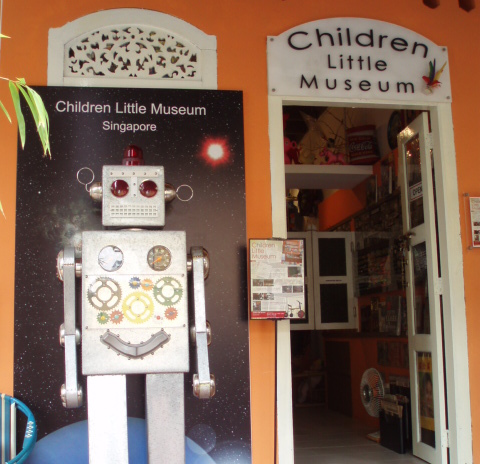
Children Little Museum

Singapore /Singapore /Singapore

Sight Address : 42 Bussorah St, Singapore 199460, Singapore.Edit

Detail InformationEdit

Remembering the days when we wanted our favourite toys and carrying our school bag to school inspire us to curate the Children Little Museum for the children to see and understand the things of our good old days and a place for the adults to reminiscence.Our aim is help to converse our history and heritage within our limited capacity. Although Singapore is a young country, starting to conserve the things even from the 1950’s is never too late and of significant to many Singaporean. To share with the younger generation through education outreach programs and workshop.This place will portray a reminder of life when school was the gathering point for the community. Everybody knew each other and the talk was about home life, illness, and matters pertaining to the betterment of the area. Almost everybody treated each other with honesty and kindness.The exhibit of Children Little Museum will give us an insight into people’s habits whether it is a tin toy, or your favorite “Nanyang Children” magazines. One will be able to ponder and daydream of how life might have been. Nothing was discarded as the same school text book was handed down to the younger sibling.A visit to the Children Little Museum saw the selves’ exhibit with things that girls and boys played to a collection of old primary school books.
A special highlight is the famous street mobile cinema where the children once pay 5 cent to watch 5 yards of film. The supermarket and television commercial have revolutionized our existence for better or worse. The days of friendly carefree chat has passed. Relics and trivia tell us about our not too distant past.

Children Little Museum

Children Little Museum

HistoryEdit

N.A.

Must SeeEdit

Must see

Visiting TimeEdit

Mon to Fri 11 am – 2 pm, 5.30 pm – 8.30 pm
Sat & Sun 11 am – 6 pm.

Closed OnEdit

N.A.

Best Season to VisitEdit

June to July and November to December.

Best Time To VisitEdit

N.A.

Time Required for SightseeingEdit

N.A.

Ticket Required : Yes Edit

Individual National Adult  : N.A.

Kids : $ 2

Individual Foreigner Adult  : $ 2

Kids : $ 2

Still Photo Camera : $ 2

Video Camera  : N.A.

Guide Required : No Edit

Approximate cost: N.A.

Dress Code (If Any) : No Edit

Dress Require: N.A.

Restaurants NearbyAdd / Edit

How to ReachEdit

Taxi : Taxis are generally very hard to get during peak hours (Mon-Fri 7:00am – 9:30am and Mon-Sat 5:00pm – 8:00pm) and on rainy days. If you are at a hotel, have conceirge call you a taxi. If you are out about town and have access to a cell phone- calling for a taxi will cut your wait time by 20 to 30 minutes. All taxis are fitted with meters; all are air conditioned; the majority of the taxis are 5-seaters; about 90% of taxis have radiophones; call booking is done via GPS or digital voice dispatch. All passengers must fasten their seat belts by law.
For taxi Booking fee is SGD $2.3. Minimum fare for taxi is SGD $3 for first 1Km. Fare above minimum fare until 10Km is SGD $0.55 per Km. Fare above 10Km is charge SGD $0.628 per Km. Taxi Waiting charges per hour is SGD $17.6. Peak Hours charges is diffrent.

Bus : Public buses run daily from 5.30am to midnight. Extended night services cost slightly more (a flat rate ranging from $1.50-$3.00). Otherwise, most fares depend on distance travelled and range from 67 cents to $1.58 for air-conditioned comfort (almost all public buses in Singapore have air-conditioning today). There are also “feeder” bus services that charge a flat rate of 67 cents. Each bus should not take more than 15 to 20 minutes to arrive at the bus stop.

Train : Singapore MRT system is very well connected to different parts of Singapore and very clean! If you have the time and plan to explore around little Sunny island, get the the Singapore Tourist Pass!
It runs 6am-12mn, fares start at S$1 (70cents in EZ link). Tickets can be purchased in all MRT stations. You just have to insert your money through the ticket machine. Rush hour’s usually 7am-9am, 11am-2pm and 4pm-7pm.

Air : Changi Airport is the country’s main airport. From the airport there are a number of ways to get into the city:
Taxi is easiest – simply follow the signs after clearing customs. Meters are always used in Singapore and prices are reasonable. A trip to the city during the day will be between $20-$30 including $3-5 airport surcharge. An additional 50% surcharge applies between midnight and 06:00.
Limousines charge a flat $50 to anywhere in the city and are a pretty good deal after midnight, as you can skip the queue and avoid the surcharge. The same pricing applies to chartering van-sized MaxiCabs, which are good for large families or if you have lots of baggage.
Shuttle – Shared six-seater MaxiCab shuttle service to designated areas/hotels costs $7 and can be booked in advance or in the arrivals hall. 6AM-2AM, every 15-30 min.
Subway – MRT trains run from a station between T2 and T3, but you’ll need to change trains at Tanah Merah to a city-bound train: just exit through the left hand side door and cross the platform. The 30 min ride to City Hall station costs $1.90 plus a refundable $1 deposit, and trains run 05:31-23:18.
Bus – Bus terminals can be found in the basements of T1, T2 and T3. 06:00-23:59 only. Fares are less than $2.00, exact fare required (no change given) if you pay cash.

Others : N.A.

Things to CarryEdit

Safety / WarningEdit

  • Please be advised that all bags and personal items are subject to inspection.

HelplineEdit

  • Police: 999
  • Emergencies/Ambulance/Fire Brigade: 999
  • Police Hotline: 1800 353 0000
  • Non-emergency ambulance: 1777
  • Flight Information (24-hours): 1800-542 4422
  • Tourism Information (24-hours): 1800-736 2000
Gallery


View All Sight of Singapore... Click Here

Merlion Park & Statue
Sentosa Island
Esplanade Theatres

Chinatown, Singapore

Singapore /Singapore /Singapore

Sight Address : 12 Teck Lim Rd, Singapore 088387.Edit

Detail InformationEdit

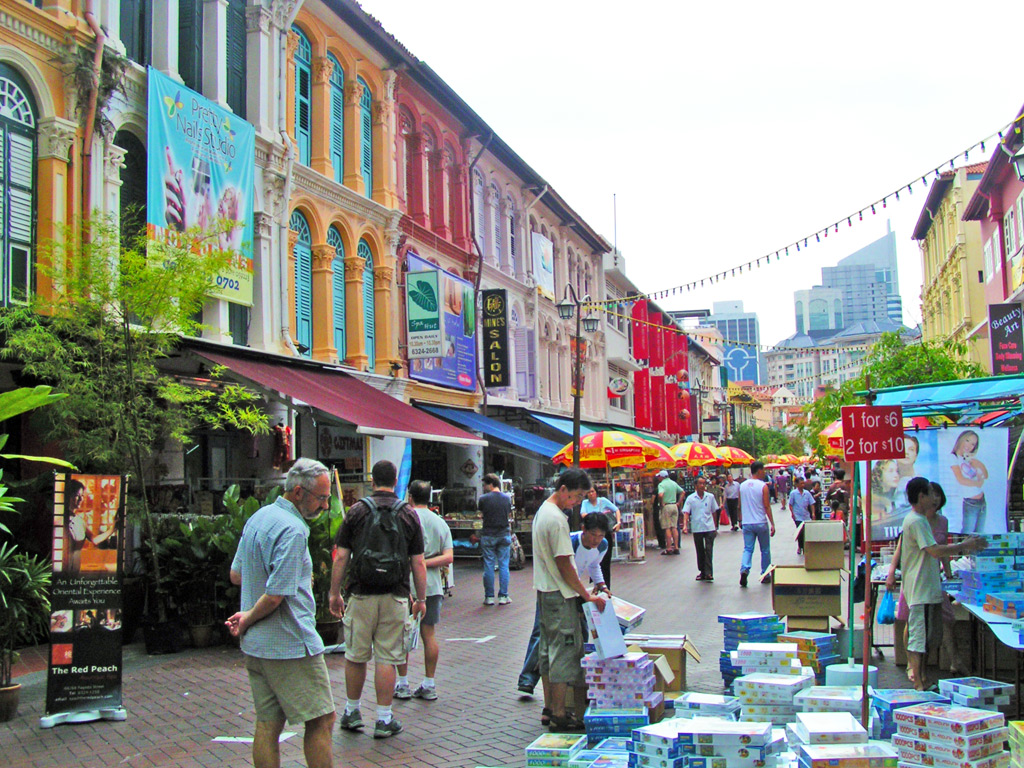
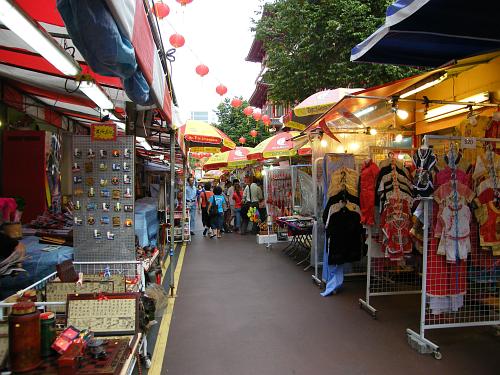
Singapore’s Chinatown is an ethnic neighbourhood featuring distinctly Chinese cultural elements and a historically concentrated ethnic Chinese population. Chinatown is located within the larger district of Outram.As the largest ethnic group in Singapore is Chinese, Chinatown is considerably less of an enclave than it once was. (Note: The name Chinatown (唐人街) is given by the British and today usually used by non-Chinese Singaporeans, whereas Chinese Singaporeans usually use the term Niu Che Shui (牛车水) as the term Chinatown (唐人街) usually refers to enclaves of Chinese people in regions where Chinese people are the minority ethnic group.) However, the district does retain significant historical and cultural significance. Large sections of it have been declared national heritage sites officially designated for conservation by the Urban Redevelopment Authority.Singapore’s Chinatown is the traditional Chinese quarters of town, and while the entire city is largely Chinese these days the area does retain some of its own charm. The area is also known as Niu Che Shui (牛车水) in Chinese and Kreta Ayer in Malay, both names meaning “bullock cart water”, a reference to the carts that used to haul in drinking water.The area between Pagoda Street and Smith Street has been tarted up considerably for tourists, but workaday Chinatown continues south and east, merging seamlessly into the Central Business District. Tanjong Pagar is the unofficial home of Singapore’s gay community, with many watering holes in restored shophouses, while Club Street caters more to the expat and yuppie crowd with small, intimate eateries offering excellent (if pricy) Western fare.

Chinatown

Chinatown

HistoryEdit

Wang Dayuan visited Singapore (then called Temasek or Dan Ma Xi) in 1330 and recorded that there was a Chinese community. This would make Singapore one of the oldest Chinatowns, as well as the largest.Under the Raffles Plan of Singapore, the area originally was a division of colonial Singapore where Chinese immigrants tended to reside. Although as Singapore grew, Chinese immigrants settled in other areas of the island-city, Chinatown became overcrowded within decades of Singapore’s founding in 1819 and remained such until many residents were relocated at the initiation of Singapore’s governmental Housing Development Board in the 1960s.In 1822, Sir Stamford Raffles wrote to Captain C.E. Davis, President of the Town Committee, and George Bonham and Alex L. Johnson, Esquires, and members, charging them with the task of “suggesting and carrying into effect such arrangements on this head, as may on the whole be most conducive to the comfort and security of the different classes of inhabitants and the general interests and welfare of the place.He went on to issue instructions, as a guide to the Committee, which included a description of Singapore Town generally, the ground reserved by the government, the European town and principal mercantile establishments and the native divisions and “kampongs”. These included areas for Bugis, Arabs, Marine Yard, Chulias, Malays, Markets and Chinese Kampongs, the present-day Chinatown. Raffles was very clear in his instructions and his guidelines were to determine the urban structure of all subsequent development. The “five-foot way”, for example, the continuous covered passage on either side of the street, was one of the public requirements.Raffles foresaw the fact that “it may be presumed that they (the Chinese) will always form by far the largest portion of the community”. For this reason, he appropriated all of the land southwest of the Singapore River for their accommodation but, at the same time, insisted that the different classes and the different provinces be concentrated in their separate quarters and that these quarters, in the event of fire, be constructed of masonry with tiled roofs.This thus resulted in the formation of a distinct section titled Chinatown. However, only when parcels of land were leased or granted to the public in and after 1843 for the building of houses and shophouses, did Chinatown’s physical development truly begin.

Must SeeEdit

Attraction

Visiting TimeEdit

5 pm to 11pm.

Closed OnEdit

N.A.

Best Season to VisitEdit

June to July and November to December.

Best Time To VisitEdit

N.A.

Time Required for SightseeingEdit

1-2 hours.

Ticket Required : No Edit

Individual National Adult  : N.A.

Kids : N.A.

Individual Foreigner Adult  : N.A.

Kids : N.A.

Still Photo Camera : N.A.

Video Camera  : N.A.

Guide Required : No Edit

Approximate cost: N.A.

Dress Code (If Any) : No Edit

Dress Require: N.A.

Restaurants NearbyAdd / Edit

  • Tak Po Pte Ltd ;  42 Smith St Singapore 058954 ; Ph/M –  65 6226 3683 ; Food Serve –  Chinese Restaurant:-prawn · dumplings.

How to ReachEdit

Taxi : Taxis are generally very hard to get during peak hours (Mon-Fri 7:00am – 9:30am and Mon-Sat 5:00pm – 8:00pm) and on rainy days. If you are at a hotel, have conceirge call you a taxi. If you are out about town and have access to a cell phone- calling for a taxi will cut your wait time by 20 to 30 minutes. All taxis are fitted with meters; all are air conditioned; the majority of the taxis are 5-seaters; about 90% of taxis have radiophones; call booking is done via GPS or digital voice dispatch. All passengers must fasten their seat belts by law.
For taxi Booking fee is SGD $2.3. Minimum fare for taxi is SGD $3 for first 1Km. Fare above minimum fare until 10Km is SGD $0.55 per Km. Fare above 10Km is charge SGD $0.628 per Km. Taxi Waiting charges per hour is SGD $17.6. Peak Hours charges is diffrent.

Bus : Public buses run daily from 5.30am to midnight. Extended night services cost slightly more (a flat rate ranging from $1.50-$3.00). Otherwise, most fares depend on distance travelled and range from 67 cents to $1.58 for air-conditioned comfort (almost all public buses in Singapore have air-conditioning today). There are also “feeder” bus services that charge a flat rate of 67 cents. Each bus should not take more than 15 to 20 minutes to arrive at the bus stop.

Train : Singapore MRT system is very well connected to different parts of Singapore and very clean! If you have the time and plan to explore around little Sunny island, get the the Singapore Tourist Pass!
It runs 6am-12mn, fares start at S$1 (70cents in EZ link). Tickets can be purchased in all MRT stations. You just have to insert your money through the ticket machine. Rush hour’s usually 7am-9am, 11am-2pm and 4pm-7pm.

Air : Changi Airport is the country’s main airport. From the airport there are a number of ways to get into the city:
Taxi is easiest – simply follow the signs after clearing customs. Meters are always used in Singapore and prices are reasonable. A trip to the city during the day will be between $20-$30 including $3-5 airport surcharge. An additional 50% surcharge applies between midnight and 06:00.
Limousines charge a flat $50 to anywhere in the city and are a pretty good deal after midnight, as you can skip the queue and avoid the surcharge. The same pricing applies to chartering van-sized MaxiCabs, which are good for large families or if you have lots of baggage.
Shuttle – Shared six-seater MaxiCab shuttle service to designated areas/hotels costs $7 and can be booked in advance or in the arrivals hall. 6AM-2AM, every 15-30 min.
Subway – MRT trains run from a station between T2 and T3, but you’ll need to change trains at Tanah Merah to a city-bound train: just exit through the left hand side door and cross the platform. The 30 min ride to City Hall station costs $1.90 plus a refundable $1 deposit, and trains run 05:31-23:18.
Bus – Bus terminals can be found in the basements of T1, T2 and T3. 06:00-23:59 only. Fares are less than $2.00, exact fare required (no change given) if you pay cash.

Others : N.A.

Things to CarryEdit

Safety / WarningEdit

  • Please be advised that all bags and personal items are subject to inspection.

HelplineEdit

  • Police: 999
  • Emergencies/Ambulance/Fire Brigade: 999
  • Police Hotline: 1800 353 0000
  • Non-emergency ambulance: 1777
  • Flight Information (24-hours): 1800-542 4422
  • Tourism Information (24-hours): 1800-736 2000

Gallery

View All Sight of Singapore… Click Here

Merlion Park & Statue

Sentosa Island

Esplanade Theatres

Changi Chapel and Museum

Singapore /Singapore /Singapore

Sight Address : 1000 Upper Changi Rd N, Singapore 507707, Singapore.Edit

Detail InformationEdit

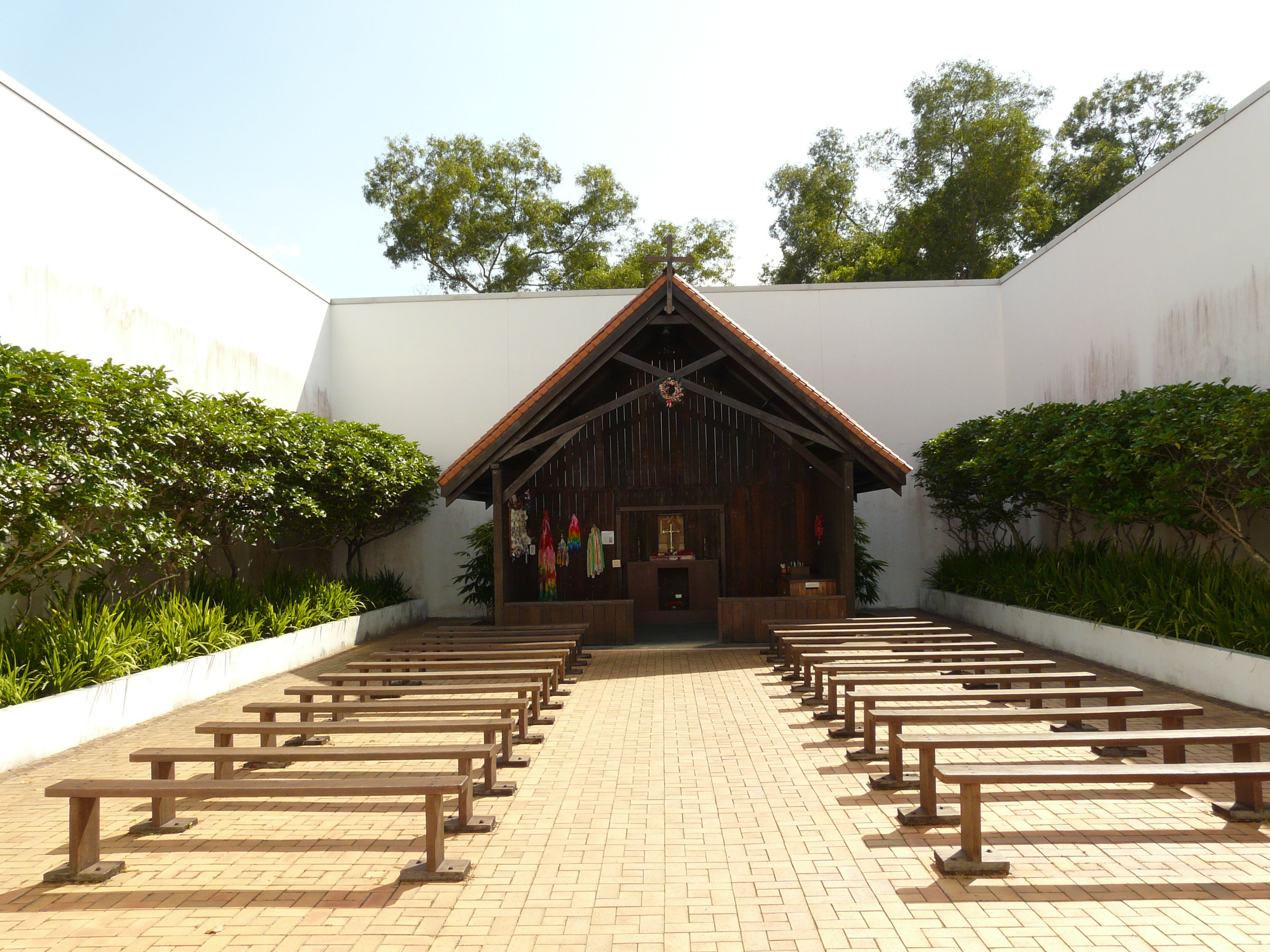
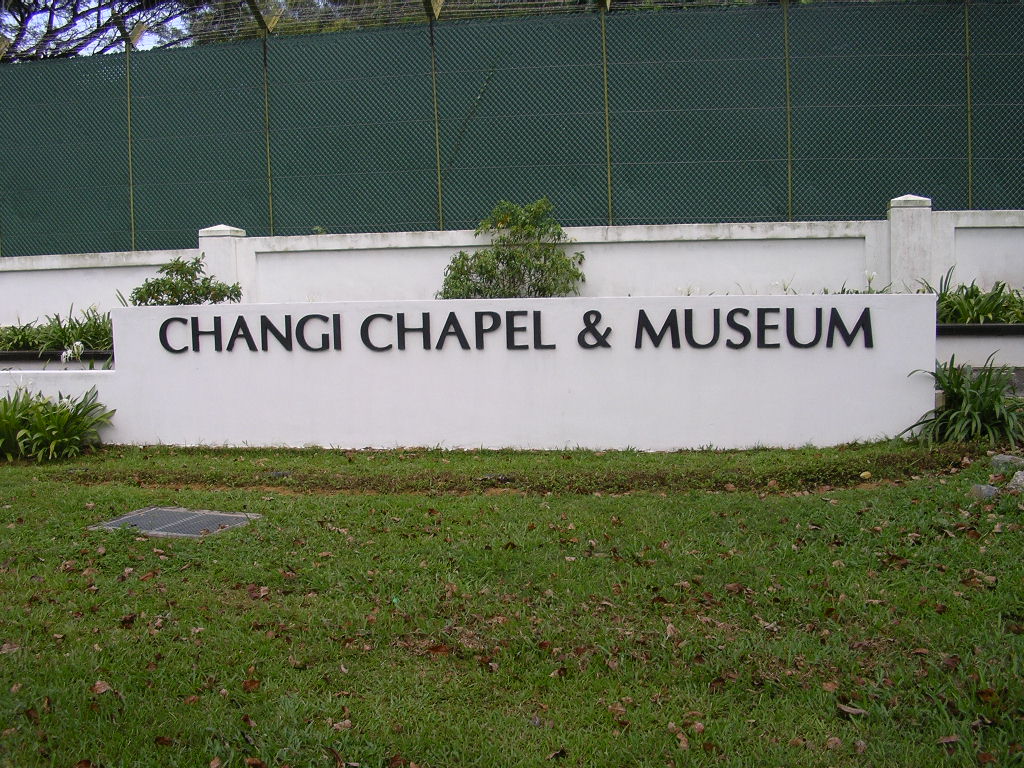
The Changi Museum is a museum dedicated to Singapore’s history during the Second World War.In 1988, Singapore built a replica Chapel and Museum next to the Changi Prison. When Changi Prison was expanded in 2001, the Chapel and Museum was relocated to a new site 1 km away and the Changi Chapel and Museum was officially established on 15 February 2001. Bernard Stogden, the son of Sgt. Harry Stogden, was invited to place the cross that his father made onto the wreathed altar in the new Chapel. He was claimed to have cried while doing so, as this was one of the only chances he got to interact with his father(through his work) as “Harry” Stogden died during the war.The Museum has a collection of paintings, photographs and personal effects donated by former POWs. Among the collection is a series of paintings and sketches by a POW named William Haxworth which provide valuable insight on the daily life of the internees during the occupation. In 1986, Haxworth’s wife donated a collection of over 400 paintings and sketches to the National Archives of Singapore.Also in the museum is a collection of watercolour paintings by Mary Angela Bateman who was among the thousands of women and children held at Changi Prison for more than three years during the war.The Changi Chapel and Museum also contains unique and Brass cross at the Changi Chapelarchitecturally beautiful exterior surroundings. Outside the court yard of the chapel is replicas of the many chapels. These chapels, in the time of the World War II conflict and now are an inspirational reminder of the great efforts it took to overcome the tyranny of the Japanese rule.Many of the Changi Chapels adornments like the Brass Cross are poignant remainders of a horrific war. The Brass Cross is Board of remembrancemade of spent ammunition casings, from the valiant World War II soldiers’ guns. The Chapel has also created the board of remembrance and many relatives of fallen soldiers’ have pinned messages for the dead.

Changi Chapel and Museum

Changi Chapel and Museum

HistoryEdit

Changi Prison is the site of the World War II POW camp. Many Allied detainees from the World War II, became prisoners and were subjected to cruel and horrific conditions.Replica of Chapel Since the relocation of the Changi Prison, in 2001, the prison is now a chapel and museum. The now Changi Museum is a collection of artefacts, materials and pictures of the daily lives of the Prisoners of War (POW). The Changi Museum is used worldwide as resource centre and educational source of the aspects of World War II.

Must SeeEdit

Must see

Visiting TimeEdit

9:30 am – 4:30 pm.

Closed OnEdit

N.A.

Best Season to VisitEdit

June to July and November to December.

Best Time To VisitEdit

N.A.

Time Required for SightseeingEdit

1-2 hours

Ticket Required : No Edit

Individual National Adult  : N.A.

Kids : N.A.

Individual Foreigner Adult  : N.A.

Kids : N.A.

Still Photo Camera : N.A.

Video Camera  : N.A.

Guide Required : No Edit

Approximate cost: N.A.

Dress Code (If Any) : No Edit

Dress Require: N.A.

Restaurants NearbyAdd / Edit

How to ReachEdit

Taxi : Taxis are generally very hard to get during peak hours (Mon-Fri 7:00am – 9:30am and Mon-Sat 5:00pm – 8:00pm) and on rainy days. If you are at a hotel, have conceirge call you a taxi. If you are out about town and have access to a cell phone- calling for a taxi will cut your wait time by 20 to 30 minutes. All taxis are fitted with meters; all are air conditioned; the majority of the taxis are 5-seaters; about 90% of taxis have radiophones; call booking is done via GPS or digital voice dispatch. All passengers must fasten their seat belts by law.
For taxi Booking fee is SGD $2.3. Minimum fare for taxi is SGD $3 for first 1Km. Fare above minimum fare until 10Km is SGD $0.55 per Km. Fare above 10Km is charge SGD $0.628 per Km. Taxi Waiting charges per hour is SGD $17.6. Peak Hours charges is diffrent.

Bus : Public buses run daily from 5.30am to midnight. Extended night services cost slightly more (a flat rate ranging from $1.50-$3.00). Otherwise, most fares depend on distance travelled and range from 67 cents to $1.58 for air-conditioned comfort (almost all public buses in Singapore have air-conditioning today). There are also “feeder” bus services that charge a flat rate of 67 cents. Each bus should not take more than 15 to 20 minutes to arrive at the bus stop.

Train : Singapore MRT system is very well connected to different parts of Singapore and very clean! If you have the time and plan to explore around little Sunny island, get the the Singapore Tourist Pass!
It runs 6am-12mn, fares start at S$1 (70cents in EZ link). Tickets can be purchased in all MRT stations. You just have to insert your money through the ticket machine. Rush hour’s usually 7am-9am, 11am-2pm and 4pm-7pm.

Air : Changi Airport is the country’s main airport. From the airport there are a number of ways to get into the city:
Taxi is easiest – simply follow the signs after clearing customs. Meters are always used in Singapore and prices are reasonable. A trip to the city during the day will be between $20-$30 including $3-5 airport surcharge. An additional 50% surcharge applies between midnight and 06:00.
Limousines charge a flat $50 to anywhere in the city and are a pretty good deal after midnight, as you can skip the queue and avoid the surcharge. The same pricing applies to chartering van-sized MaxiCabs, which are good for large families or if you have lots of baggage.
Shuttle – Shared six-seater MaxiCab shuttle service to designated areas/hotels costs $7 and can be booked in advance or in the arrivals hall. 6AM-2AM, every 15-30 min.
Subway – MRT trains run from a station between T2 and T3, but you’ll need to change trains at Tanah Merah to a city-bound train: just exit through the left hand side door and cross the platform. The 30 min ride to City Hall station costs $1.90 plus a refundable $1 deposit, and trains run 05:31-23:18.
Bus – Bus terminals can be found in the basements of T1, T2 and T3. 06:00-23:59 only. Fares are less than $2.00, exact fare required (no change given) if you pay cash.

Others : N.A.

Things to CarryEdit

Safety / WarningEdit

  • Please be advised that all bags and personal items are subject to inspection.

HelplineEdit

  • Police: 999
  • Emergencies/Ambulance/Fire Brigade: 999
  • Police Hotline: 1800 353 0000
  • Non-emergency ambulance: 1777
  • Flight Information (24-hours): 1800-542 4422
  • Tourism Information (24-hours): 1800-736 2000
Gallery

View All Sight of Singapore… Click Here

Merlion Park & Statue

Sentosa Island

Esplanade Theatres

Changi Beach

Singapore /Singapore /Singapore

Sight Address : Near Changi Village, Singapore, Singapore.Edit

Detail InformationEdit

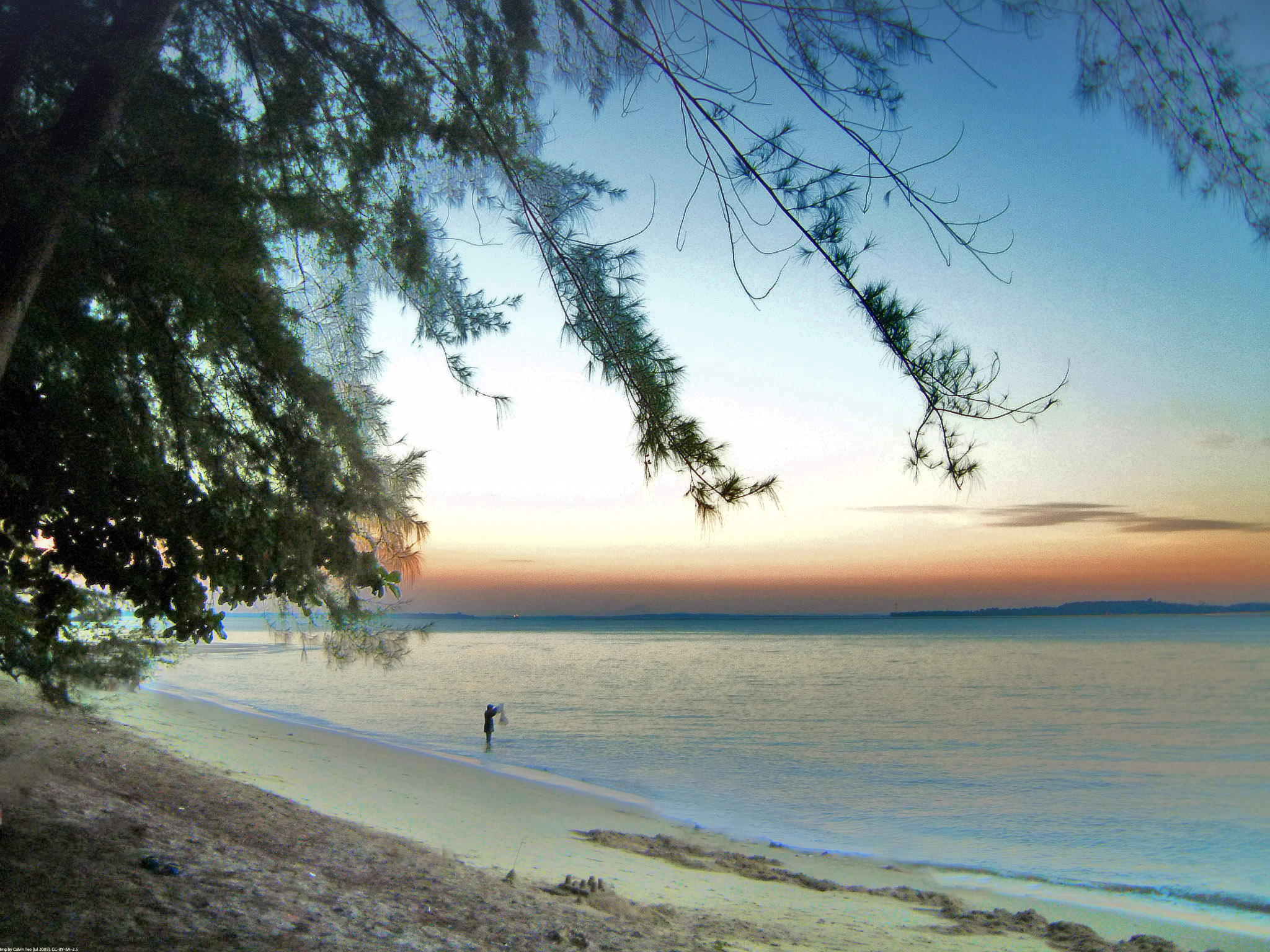
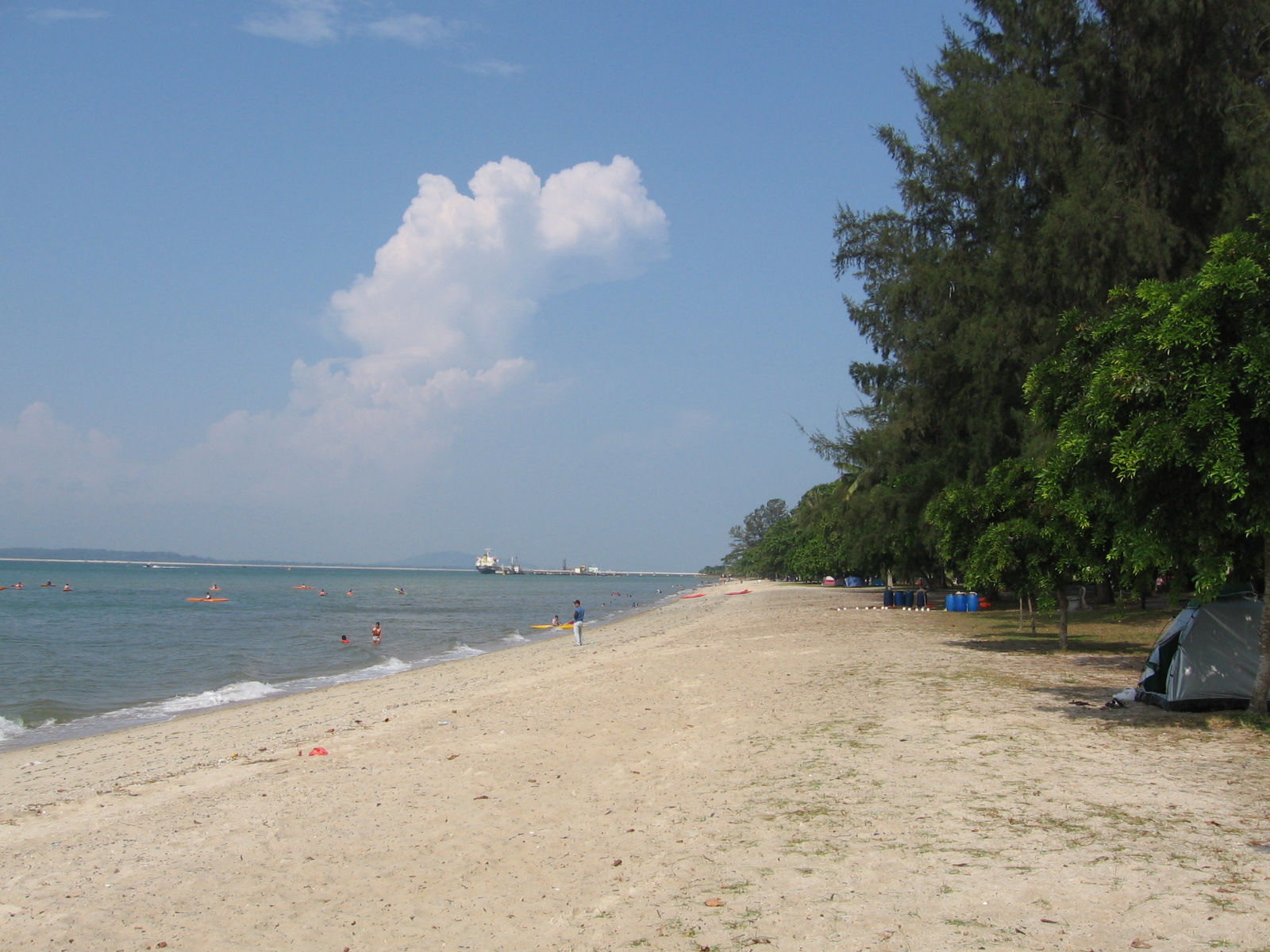
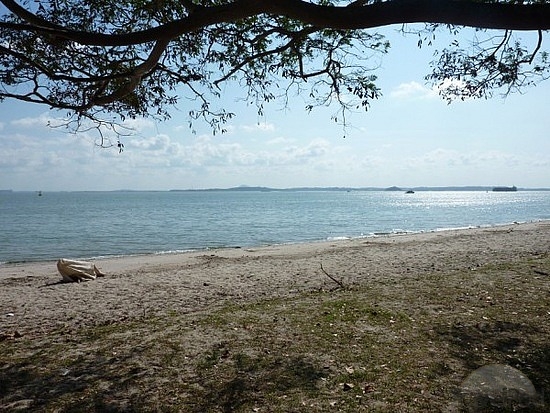
The Changi Beach Park (Chinese: 樟宜海滨公园) is a beach park located at the northeastern tip of Singapore.The 28-hectare Changi Beach Park is one of the oldest coastal parks in Singapore, retaining the “kampung” or village atmosphere of the 60’s and 70’s. The park is approximately 3.3 km long with stretches of sandy beaches between Changi Point and Changi Ferry Road.HANGI BEACH, SINGAPORE — By daylight and by moonlight, this is one of the most beautiful beaches in the Asia Pacific and it has one of the most horrific histories of any place in the region.Changi Beach Park is one of the oldest coastal parks in Singapore and today remains a favourite place for family outings on weekends for picnics and swimming.The beach looks out to the sea over Pulau Ubin, one of the remaining kampung (villages) in the very modern and urban Singapore.Despite the serene setting of today, many people can never forget that Changi Beach was once the killing fields of an invading army.During the Second World War, the Japanese invaders used Changi Beach as the execution spot for thousands of prisoners.

Changi Beach

Changi Beach

HistoryEdit

Changi Beach is Popular among locals as a hangout for overnight family picnics, especially on weekends. Some individuals enjoy fishing, watching landing airplanes, jogging and watching the sunrise or sunset here. Sunrise can be viewed from the SAF Changi Ferry Terminal on the eastern end of the park and sunsets can be viewed from Changi Point. Barbecue parties, camping and watersports are some common activities. In addition, food lovers visit Changi Beach for seafood at the nearby Bistro@Changi, or for different food options at Changi Village.Changi Beach served as a Popular killing ground for the Japanese during the Sook Ching massacre of The Second World War. Thousands of Chinese were tortured and killed during this Operation as they were suspected of being anti-Japanese. Strange crying and screaming are reported by people.

Must SeeEdit

Popular

Visiting TimeEdit

Open all the time.

Closed OnEdit

N.A.

Best Season to VisitEdit

June to July and November to December.

Best Time To VisitEdit

N.A.

Time Required for SightseeingEdit

N.A.

Ticket Required : NoEdit

Individual National Adult  : N.A.

Kids : N.A.

Individual Foreigner Adult  : N.A.

Kids : N.A.

Still Photo Camera : N.A.

Video Camera  : N.A.

Guide Required : No Edit

Approximate cost: N.A.

Dress Code (If Any) : No Edit

Dress Require: N.A.

Restaurants NearbyAdd / Edit

  • Thaipan Restaurant ;  Changi Village Hotel by Far East Hospitality Netheravon Rd Singapore 508502 ; Ph/M –  65 6448 9827 ; Food Serve –  Asian Restaurant.

How to ReachEdit

Taxi : Taxis are generally very hard to get during peak hours (Mon-Fri 7:00am – 9:30am and Mon-Sat 5:00pm – 8:00pm) and on rainy days. If you are at a hotel, have conceirge call you a taxi. If you are out about town and have access to a cell phone- calling for a taxi will cut your wait time by 20 to 30 minutes. All taxis are fitted with meters; all are air conditioned; the majority of the taxis are 5-seaters; about 90% of taxis have radiophones; call booking is done via GPS or digital voice dispatch. All passengers must fasten their seat belts by law.
For taxi Booking fee is SGD $2.3. Minimum fare for taxi is SGD $3 for first 1Km. Fare above minimum fare until 10Km is SGD $0.55 per Km. Fare above 10Km is charge SGD $0.628 per Km. Taxi Waiting charges per hour is SGD $17.6. Peak Hours charges is diffrent.

Bus : Public buses run daily from 5.30am to midnight. Extended night services cost slightly more (a flat rate ranging from $1.50-$3.00). Otherwise, most fares depend on distance travelled and range from 67 cents to $1.58 for air-conditioned comfort (almost all public buses in Singapore have air-conditioning today). There are also “feeder” bus services that charge a flat rate of 67 cents. Each bus should not take more than 15 to 20 minutes to arrive at the bus stop.

Train : Singapore MRT system is very well connected to different parts of Singapore and very clean! If you have the time and plan to explore around little Sunny island, get the the Singapore Tourist Pass!
It runs 6am-12mn, fares start at S$1 (70cents in EZ link). Tickets can be purchased in all MRT stations. You just have to insert your money through the ticket machine. Rush hour’s usually 7am-9am, 11am-2pm and 4pm-7pm.

Air : Changi Airport is the country’s main airport. From the airport there are a number of ways to get into the city:
Taxi is easiest – simply follow the signs after clearing customs. Meters are always used in Singapore and prices are reasonable. A trip to the city during the day will be between $20-$30 including $3-5 airport surcharge. An additional 50% surcharge applies between midnight and 06:00.
Limousines charge a flat $50 to anywhere in the city and are a pretty good deal after midnight, as you can skip the queue and avoid the surcharge. The same pricing applies to chartering van-sized MaxiCabs, which are good for large families or if you have lots of baggage.
Shuttle – Shared six-seater MaxiCab shuttle service to designated areas/hotels costs $7 and can be booked in advance or in the arrivals hall. 6AM-2AM, every 15-30 min.
Subway – MRT trains run from a station between T2 and T3, but you’ll need to change trains at Tanah Merah to a city-bound train: just exit through the left hand side door and cross the platform. The 30 min ride to City Hall station costs $1.90 plus a refundable $1 deposit, and trains run 05:31-23:18.
Bus – Bus terminals can be found in the basements of T1, T2 and T3. 06:00-23:59 only. Fares are less than $2.00, exact fare required (no change given) if you pay cash.

Others : N.A.

Things to CarryEdit

Safety / WarningEdit

  • Please be advised that all bags and personal items are subject to inspection.

HelplineEdit

  • Police: 999
  • Emergencies/Ambulance/Fire Brigade: 999
  • Police Hotline: 1800 353 0000
  • Non-emergency ambulance: 1777
  • Flight Information (24-hours): 1800-542 4422
  • Tourism Information (24-hours): 1800-736 2000
Gallery

View All Sight of Singapore… Click Here

Merlion Park & Statue

Sentosa Island

Esplanade Theatres

Central Sikh Temple

Singapore /Singapore /Singapore

Sight Address : 2 Towner Rd, Singapore 327804.Edit

Detail InformationEdit

Central Sikh Temple is the first Sikh gurdwara in Singapore. Established in 1912, the temple had relocated several times before moving to its current site at Serangoon Road at the junction of Towner Road and Boon Keng Road in the Kallang Planning Area in 1986. The gurdrawa is the main place of worship for the 15,000 Sikhs in the country, and is also known as Wada Gurdrawa.In 1912, with the assistance of a Sindhi merchant named Wassiamull, a group of Sikhs bought a bungalow with a large compound at 175 Queen Street and turned it into a gurdwara. The gurdwara became known as the Central Sikh Temple when other temples were established. It was also known as the Wadda Gurdwara (‘The Big Temple’).cst_web_newThe temple was reconstructed in 1921. The congregation hall was on the first floor and the kitchen and other facilities on the ground floor. It is the custom for Sikh temples to provide food and lodging to travellers.In 1937, the government decided to set up a corporate board of trustees for the temple. In 1940, the Queen Street Gurdwara Ordinance was enacted. It provided for a board of trustees named the Queen Street Gurdwara Board of Trustees (Incorporated) made up of equal numbers of nominees from the Majha, Malwa and Doabha factions of the congregation.

Central Sikh Temple

Central Sikh Temple

HistoryEdit

In 1849, after the British conquered the Indian state of Punjab, many Punjabis began to migrate overseas, to places such as Singapore. The British decided to recruit Sikh migrants as security forces in the Straits Settlements. Sikhs began to arrive in Singapore in 1881, to form a Sikh Contingent of the Straits Settlements police force.The first Sikh temple, or gurdwara, was set up in the police barracks, but it soon could not accommodate the growing Sikh community. A bungalow was purchased for a new temple at Queen Street in 1912, with the assistance of Sindhi merchant by the name of Wassiamull. The Sikhs used the land to build a gurdwara. The gurdwara later became known as “Central Sikh Temple” when other temples were established. The name Wada Gurdwara means the “Big Temple” in English.[1] Central Sikh Temple was reconstructed in 1921, and the congregation hall was located on the first floor and other facilities on the first floor. It is a custom for gurdwaras to provide food and lodging for their guests.[2] Besides being a place of worship, the temple was also used for welfare and education services.Internal conflicts between the Sikh communities plagued the temple’s congregation, which was later divided into three factions from different areas of Central Punjab, namely the Majha, Malwa and Doabha. Their fighting for leadership led to a split in the temple leadership. In 1917, the temple’s management was handed over to the Muslim and Hindu Endowment Board, which the Sikhs took as an insult. The Sikh community publicly protested in the 1930s against the management of the Muslim and Hindu Endowment Board. In 1940, the colonial government created the Queen Street Gurdwara Ordinance, under which Sikhs were allowed to appoint their own board of trustees, and each of the three factions had equal representation of the board.

Must SeeEdit

Attraction

Visiting TimeEdit

6 am – 8 pm.

Closed OnEdit

N.A.

Best Season to VisitEdit

June to July and November to December.

Best Time To VisitEdit

N.A.

Time Required for SightseeingEdit

N.A.

Ticket Required : Free Edit

Individual National Adult  : N.A.

Kids : N.A.

Individual Foreigner Adult  : N.A.

Kids : N.A.

Still Photo Camera : N.A.

Video Camera  : N.A.

Guide Required : No Edit

Approximate cost: N.A.

Dress Code (If Any) : No Edit

Dress Require: N.A.

Restaurants NearbyAdd / Edit

How to ReachEdit

Taxi : Taxis are generally very hard to get during peak hours (Mon-Fri 7:00am – 9:30am and Mon-Sat 5:00pm – 8:00pm) and on rainy days. If you are at a hotel, have conceirge call you a taxi. If you are out about town and have access to a cell phone- calling for a taxi will cut your wait time by 20 to 30 minutes. All taxis are fitted with meters; all are air conditioned; the majority of the taxis are 5-seaters; about 90% of taxis have radiophones; call booking is done via GPS or digital voice dispatch. All passengers must fasten their seat belts by law.
For taxi Booking fee is SGD $2.3. Minimum fare for taxi is SGD $3 for first 1Km. Fare above minimum fare until 10Km is SGD $0.55 per Km. Fare above 10Km is charge SGD $0.628 per Km. Taxi Waiting charges per hour is SGD $17.6. Peak Hours charges is diffrent.

Bus : Public buses run daily from 5.30am to midnight. Extended night services cost slightly more (a flat rate ranging from $1.50-$3.00). Otherwise, most fares depend on distance travelled and range from 67 cents to $1.58 for air-conditioned comfort (almost all public buses in Singapore have air-conditioning today). There are also “feeder” bus services that charge a flat rate of 67 cents. Each bus should not take more than 15 to 20 minutes to arrive at the bus stop.

Train : Singapore MRT system is very well connected to different parts of Singapore and very clean! If you have the time and plan to explore around little Sunny island, get the the Singapore Tourist Pass!
It runs 6am-12mn, fares start at S$1 (70cents in EZ link). Tickets can be purchased in all MRT stations. You just have to insert your money through the ticket machine. Rush hour’s usually 7am-9am, 11am-2pm and 4pm-7pm.

Air : Changi Airport is the country’s main airport. From the airport there are a number of ways to get into the city:
Taxi is easiest – simply follow the signs after clearing customs. Meters are always used in Singapore and prices are reasonable. A trip to the city during the day will be between $20-$30 including $3-5 airport surcharge. An additional 50% surcharge applies between midnight and 06:00.
Limousines charge a flat $50 to anywhere in the city and are a pretty good deal after midnight, as you can skip the queue and avoid the surcharge. The same pricing applies to chartering van-sized MaxiCabs, which are good for large families or if you have lots of baggage.
Shuttle – Shared six-seater MaxiCab shuttle service to designated areas/hotels costs $7 and can be booked in advance or in the arrivals hall. 6AM-2AM, every 15-30 min.
Subway – MRT trains run from a station between T2 and T3, but you’ll need to change trains at Tanah Merah to a city-bound train: just exit through the left hand side door and cross the platform. The 30 min ride to City Hall station costs $1.90 plus a refundable $1 deposit, and trains run 05:31-23:18.
Bus – Bus terminals can be found in the basements of T1, T2 and T3. 06:00-23:59 only. Fares are less than $2.00, exact fare required (no change given) if you pay cash.

Others : N.A.

Things to CarryEdit

Safety / WarningEdit

  • Please be advised that all bags and personal items are subject to inspection.

HelplineEdit

  • Police: 999
  • Emergencies/Ambulance/Fire Brigade: 999
  • Police Hotline: 1800 353 0000
  • Non-emergency ambulance: 1777
  • Flight Information (24-hours): 1800-542 4422
  • Tourism Information (24-hours): 1800-736 2000
Gallery

View All Sight of Singapore… Click Here

Merlion Park & Statue

Sentosa Island

Esplanade Theatres