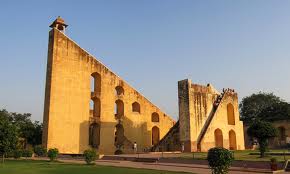
Author Archives: abhibhushan

Diwan-e-Am

India /Rajasthan /Jaipur /Jaipur

Sight Address : Diwan-e-Am, Kanwar Nagar, Pink City, Jaipur, Rajasthan Edit

Detail InformationEdit

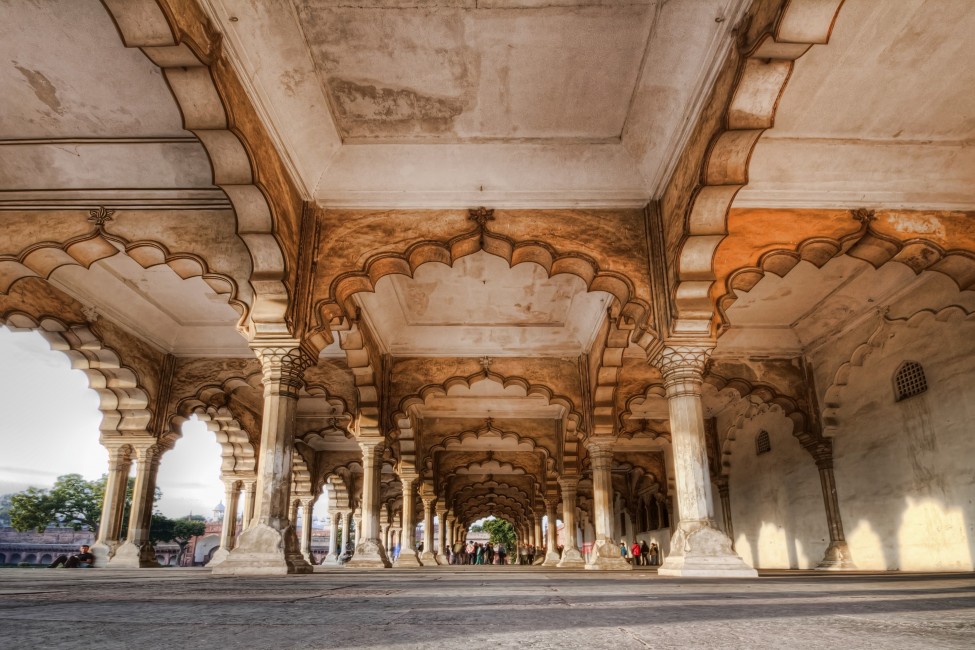
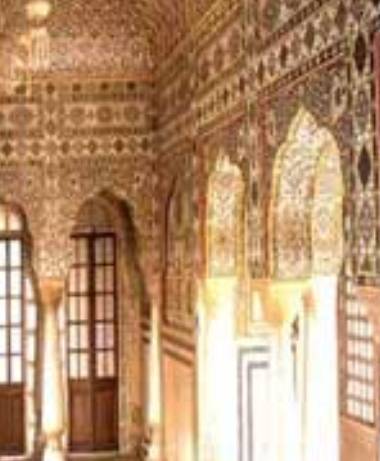
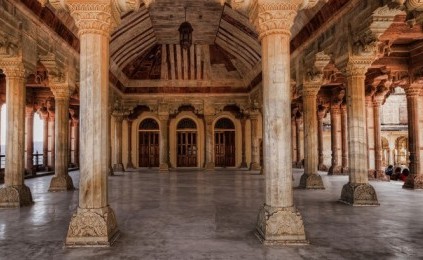
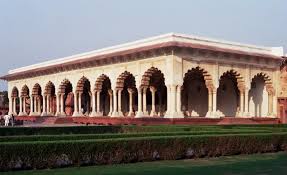
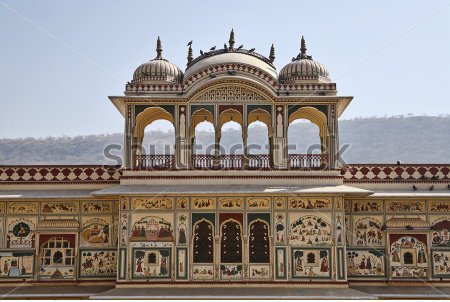
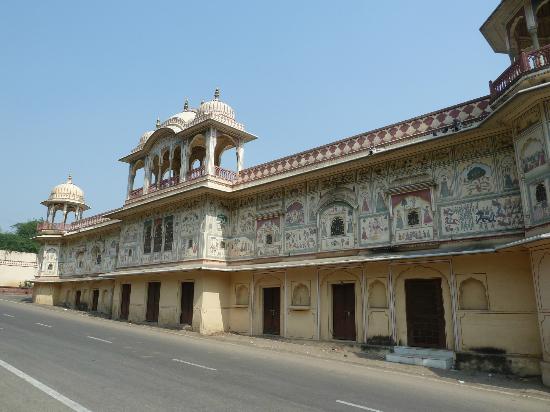
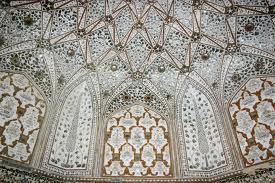
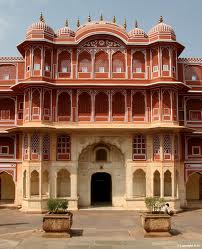
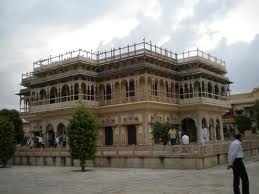
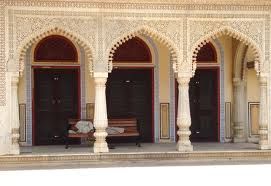
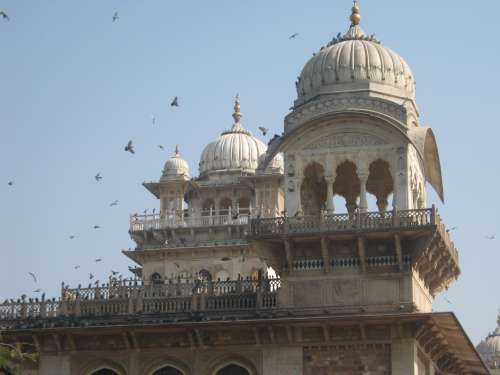
The ‘Diwan-E-Am’ (Sabha Niwas) or the ‘Hall of Public Audience’ is an enchanting chamber, with the ceiling painted in rich red and gold colours, which still looks vibrant. It is a major attraction in the Mubarak Mahal courtyard. This chamber, functioning now as an art gallery, has exhibits of exquisite miniature paintings (of Rajastahni, Mughal and Persian art), ancient texts, embroidered rugs, Kashmir shawls and carpets. The ceiling is richly decorated. At present, it is an art gallery showcasing enthralling painted ceilings and rare ancient handwritten original manuscripts of Hindu scriptures (the Hindu holy scripture of the Bhagavad Gita handwritten in tiny script). Also seen in the art gallery is the Golden throne (called as Takth-e-Rawal) that was the seat of the Maharaja during public audience.
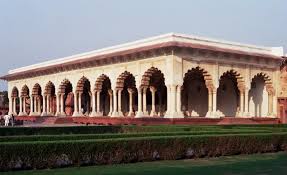
Diwan-e-Am hall

Diwan-e-Am Hall

HistoryEdit

Diwan-e-Am is an eighteenth century monument, built by Maharaja Sawai Pratap Singh. This is popularly called as the Diwan Khana or the Hall of Public Audience. It was the place where the king used to hear and decide the grievances of his people. Characteristic features of this hall are the Durbars, Jalis and banquets. Jalis are that portion of the hall from where the royal ladies clad in Purdah watched the proceedings in the Durbar. Diwan-e-Aam has been functioning as a museum for a long and it displays carriages and howdahs for elephant and camel back rides, portraits of the royal family of Jaipur, carpets from the royal household. Among the marvels of this exquisite hall, chandeliers adorn the prime position. It is considered as the largest one in India. Indian and Persian miniature paintings embellish the picture gallery along with the wide compilation of manuscripts. Renowned for the beautifully ornamented flowery ceilings, this hall might have witnessed so many glorious moments of Rajput administration.

Must SeeEdit

Popular

Visiting TimeEdit

9.00 am to 4.30 pm

Closed OnEdit

N.A.

Best Season to VisitEdit

October to February

Best Time To VisitEdit

Morning , Afternoon

Time Required for SightseeingEdit

N.A.

Ticket Required : Yes Edit

Individual National Adult Rs. : Rs. 35

Kids Rs. : N.A.

Individual Foreigner Adult Rs. : Rs.150.00

Kids Rs. : N.A.

Still Photo Camera Rs. : N.A.

Video Camera Rs. : N.A.

Guide Required : No Edit

Approximate cost: N.A.

Dress Code (If Any) : No Edit

Dress Require: N.A.

Restaurants NearbyAdd / Edit

  • Surabhi Restaurant Jaipur ;  Old Amer Road Jaipur, Rajasthan (India) ; Ph/M –  0141- (2635954, 2633953, and 2633931) ; Food Serve –  Chinese, Indian, Continental and Rajasthani food

How to ReachEdit

Taxi : Diwan-e-Am, Jaipur can be accessed by Taxi. Taxis run on meter, and charges will hover around Rs 12 per kilometer.

Bus : Diwan-e-Am is well connected by motorable roads with major destinations of Jaipur city. Buses are easily available to Diwan-e-Am from any major destinations of Jaipur.

Train : The nearest railway station to reach Diwan-e-Am is Jaipur Railway Station, Shanti Nagar, Hasanpura, Jaipur, Rajasthan, India which is located at a middle of city. After getting down at the railway station, take an auto-rickshaw, bus or hire a taxi to reach the destination within the city.

Air : The airport is situated close to Sanganer, almost 13 km to the south of Jaipur City. Domestic airlines connect the city to Delhi, Mumbai, Kolkata, Ahmedabad, Agra, Jodhpur and Udaipur. The Jaipur airport also provides international flights to Dubai, London, Muscat and Sharjah. Taxis are available to and from airport. Air India, Indian Airlines, Jet Airways, etc. fly daily to Jaipur.

Others : Cycle rickshaws charge anywhere from Rs 10 to 30, but this mode of transport is very slow.

Things to CarryEdit

Ware cotton clothing, apply sunscreen, sun glasses, camera, water, food

Safety / WarningEdit

Summer – light tropical or cotton Winter – Woollens
1. Double-check all hotel and restaurant bills for errors.
2. Don’t leave cash and valuables in your hotel room. Use room safes where available.
3. Keep daily cash in separate pockets.
4. Don’t flash jewellery or large sums of money.
5. Never pay for anything upfront – including drivers.

HelplineEdit

Police 100
Fire 101
Ambulance 108
Child 1098
Directory Assistance 219
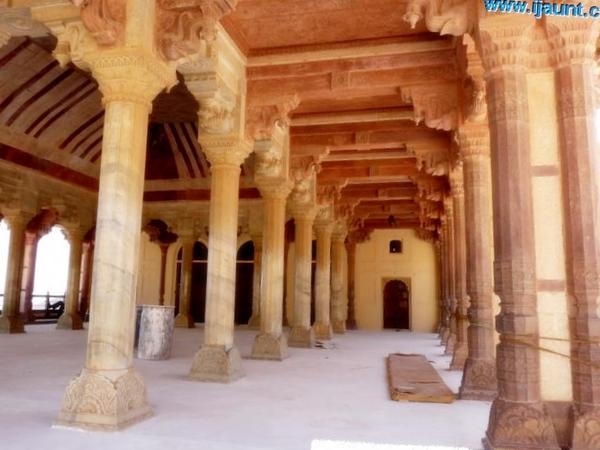
Gallery


View All Sight of Jaipur... Click Here

City Palace
Hawa Mahal
Jantar Mantar

Central Park

India /Rajasthan /Jaipur /Jaipur

Sight Address : Jawaharlal Nehru Marg, Jaipur, Rajasthan Edit

Detail InformationEdit

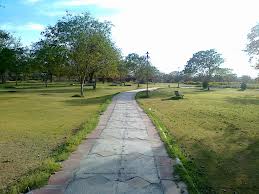
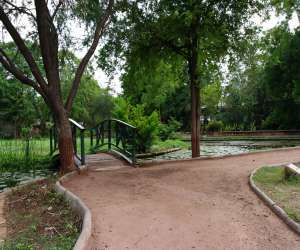
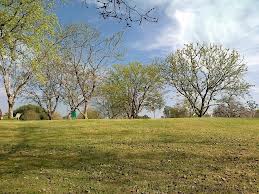
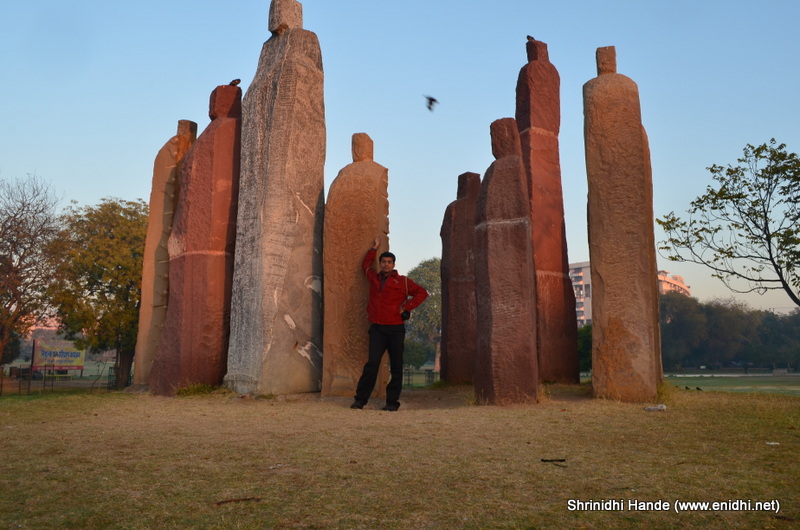
Central Park which is located in the heart of the city has been developed by the Jaipur Development Authority. It is considered to be the largest park of Jaipur, which houses a big garden, Rambagh Polo Ground and the Rambagh Golf Club. This park has a 5 km long walking and jogging track.

Central Park

Central Park

HistoryEdit

N.A.

Must SeeEdit

Popular

Visiting TimeEdit

N.A.

Closed OnEdit

N.A.

Best Season to VisitEdit

October to March

Best Time To VisitEdit

N.A.

Time Required for SightseeingEdit

N.A.

Ticket Required : Yes Edit

Individual National Adult Rs. : Rs.35

Kids Rs. : N.A.

Individual Foreigner Adult Rs. : Rs.150.00

Kids Rs. : N.A.

Still Photo Camera Rs. : N.A.

Video Camera Rs. : N.A.

Guide Required : No Edit

Approximate cost: N.A.

Dress Code (If Any) : No Edit

Dress Require: N.A.

Restaurants NearbyAdd / Edit

  • V2 Fine Dining Restaurant ;  Near B5 Lawn & Central Park(Opp Okay), Vivekanand Marg, C-Scheme, Jaipur, 302001 ; Ph/M –  91-141- 5107839 & +91-9828046461 ; Food Serve –  N.A.

How to ReachEdit

Taxi : Central Park, Jaipur can be accessed by Taxi. Taxis run on meter, and charges will hover around Rs 12 per kilometer.

Bus : Central Park is well connected by motorable roads with major destinations of Jaipur city. Buses are easily available to Central Park from any major destinations of Jaipur.

Train : The nearest railway station to reach Central Park, Jaipur Railway Station, Shanti Nagar, Hasanpura, Jaipur, Rajasthan, India which is located at a middle of city. After getting down at the railway station, take an auto-rickshaw, bus or hire a taxi to reach the destination within the city.

Air : The airport is situated close to Sanganer, almost 13 km to the south of Jaipur City. Domestic airlines connect the city to Delhi, Mumbai, Kolkata, Ahmedabad, Agra, Jodhpur and Udaipur. The Jaipur airport also provides international flights to Dubai, London, Muscat and Sharjah. Taxis are available to and from airport. Air India, Indian Airlines, Jet Airways, etc. fly daily to Jaipur.

Others : Cycle rickshaws charge anywhere from Rs 10 to 30, but this mode of transport is very slow.

Things to CarryEdit

Plenty of Water and some food.

Safety / WarningEdit

Summer – light tropical or cotton Winter – Woollens
1. Double-check all hotel and restaurant bills for errors.
2. Don’t leave cash and valuables in your hotel room. Use room safes where available.
3. Keep daily cash in separate pockets.
4. Don’t flash jewellery or large sums of money.
5. Never pay for anything upfront – including drivers.
6. Avoid touts.

HelplineEdit

Police 100
Fire 101
Ambulance 108
Child 1098
Directory Assistance 218

Gallery


View All Sight of Jaipur... Click Here

City Palace
Hawa Mahal
Jantar Mantar

Anokhi Museum of Hand Printing

India /Rajasthan /Jaipur /Jaipur

Sight Address : Anokhi Museum of Hand Printing, Chanwar Palkiwalon ki Haveli (Anokhi Haveli) Kheri Gate, Amber, Jaipur Edit

Detail InformationEdit

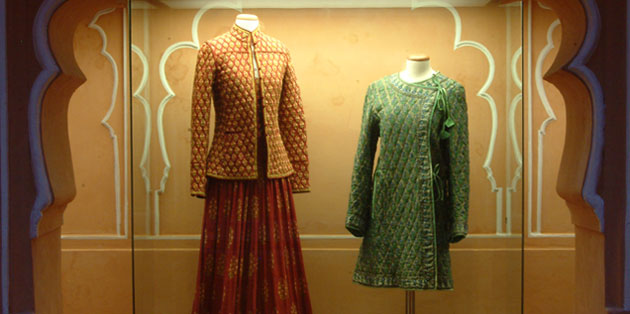
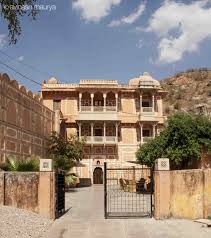
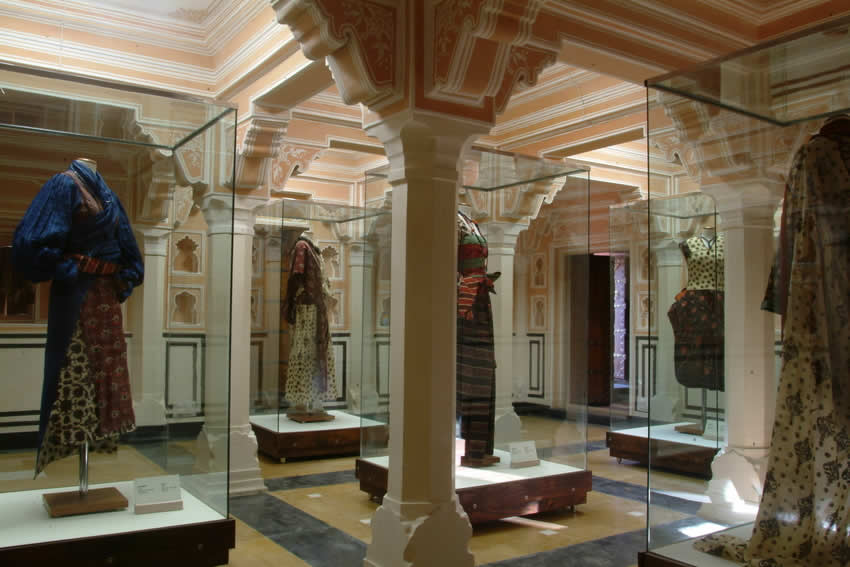
The Anokhi Museum of Hand Printing is situated at Amber in Jaipur close to the Kheri Gate. It is open from 10:30 am to 5 pm from Tuesday to Saturday and on Sundays from 11 am to 4:30 pm, while is closed on Mondays. This museum has played an important role in reviving the local hand block printing industry and the products created by these artisans are sold in the Indian and international retail outlets.

Anokhi Museum of Hand Printing

Anokhi Museum of Hand Printing

HistoryEdit

Anokhi Museum of Hand printing Jaipur is located in the antique ‘Chanwar Palkiwalo Ki Haveli’ (Anokhi Haveli) which is painted in pink colour. The trust also arranges the live exhibitions of the hand block printing craft.The convention of hand printed fabrics in Rajasthan has a royal history. Endorsed by kings and other royals, the art form experienced form harsh forgets in the 1970’s once the regulation of Rajas was eliminated. Under the last thirty years the Anokhi charity has worked diligently to restart this craft and also offer an opportunity to learn from the wealthy history of hand printing.The Anokhi Museum is famous for its hand printing. It’s devoted to the collection; protection and analysis of obstruct printed cloth. Shows and learning programming highlight different features of this antique craft in order to support admiration for a breathing art from. The Anokhi museum of hand printing presents a behind the secretly look at the art of making hand printed fabrics. The Anokhi museum is an effort to conserve and platform this art to the world. Abode in a wonderfully renovated pink haveli. The museum presents an up close glance at this art.

Must SeeEdit

Attraction

Visiting TimeEdit

10:30 am–5:00 pm

Closed OnEdit

Monday

Best Season to VisitEdit

October and March.

Best Time To VisitEdit

Morning, Afternoon

Time Required for SightseeingEdit

45 minutes To 2:30 hrs

Ticket Required : Yes Edit

Individual National Adult Rs. : Rs.30

Kids Rs. : Rs.15

Individual Foreigner Adult Rs. : Rs 50

Kids Rs. : N.A.

Still Photo Camera Rs. : Rs.50

Video Camera Rs. : Rs 150

Guide Required : No Edit

Approximate cost: N.A.

Dress Code (If Any) : No Edit

Dress Require: N.A.

Restaurants NearbyAdd / Edit

  • N.A. ;  N.A. ; Ph/M –  N.A. ; Food Serve –  N.A.

How to ReachEdit

Taxi : Anokhi Museum of Hand Printing, Jaipur can be accessed by Taxi. Taxis run on meter, and charges will hover around Rs 12 per kilometer.

Bus : Anokhi Museum of Hand Printing is well connected by motorable roads with major destinations of Jaipur city. Buses are easily available to Anokhi Museum of Hand Printing from any major destinations of Jaipur.

Train : The nearest railway station to reach Anokhi Museum of Hand Printing is Jaipur Railway Station, Shanti Nagar, Hasanpura, Jaipur, Rajasthan India which is located at a middle of city. After getting down at the railway station, take an auto-rickshaw, bus or hire a taxi to reach the destination within the city.

Air : The airport is situated close to Sanganer, almost 13 km to the south of Jaipur City. Domestic airlines connect the city to Delhi, Mumbai, Kolkata, Ahmedabad, Agra, Jodhpur and Udaipur. The Jaipur airport also provides international flights to Dubai, London, Muscat and Sharjah. Taxis are available to and from airport. Air India, Indian Airlines, Jet Airways, etc. fly daily to Jaipur.

Others : Cycle rickshaws charge anywhere from Rs 10 to 30, but this mode of transport is very slow.

Things to CarryEdit

Carry Own Food and Water as there is no restaurant

Safety / WarningEdit

Summer – light tropical or cotton Winter – Woollens
1. Double-check all hotel and restaurant bills for errors.
2. Don’t leave cash and valuables in your hotel room. Use room safes where available.
3. Keep daily cash in separate pockets.
4. Don’t flash jewellery or large sums of money.
5. Never pay for anything upfront – including drivers.
6. Avoid touts.

HelplineEdit

Police 100
Fire 101
Ambulance 108
Child 1098
Directory Assistance 217

Gallery


View All Sight of Jaipur... Click Here

City Palace
Hawa Mahal
Jantar Mantar

Sisodia Rani Palace and Garden

India /Rajasthan /Jaipur /Jaipur

Sight Address : Sisodia Rani Palace and Garden, Agra road. Jaipur. Edit

Detail InformationEdit

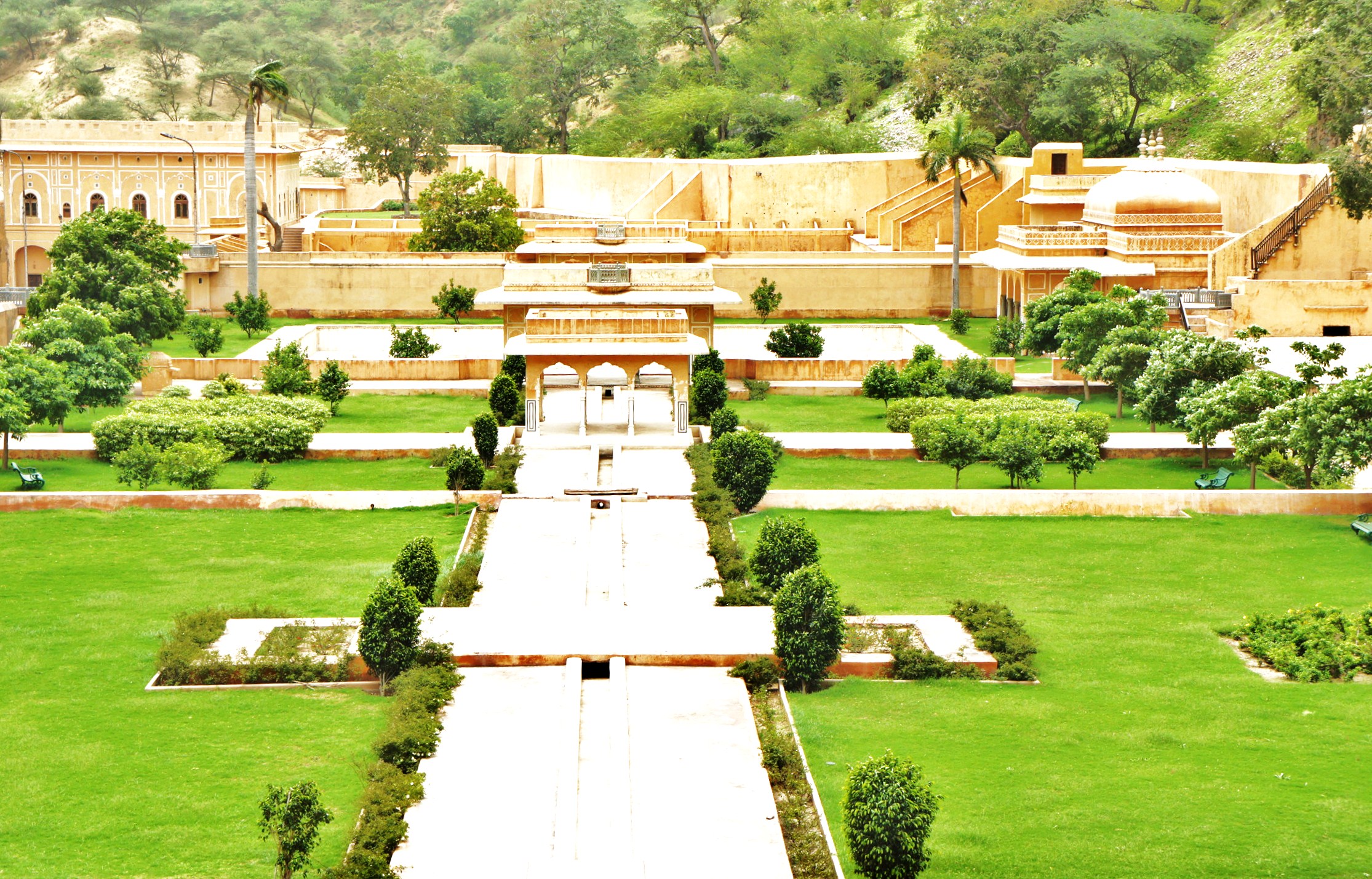
The Sisodia Rani Palace and Gardens is ten kilometers from Jaipur on the Jaipur-Agra highway. Its was built by Maharaja Jai Singh for his wife Sisodia Rani from Udaipur in 1728. Beautiful Gardens, flower beds, fountains and pavilions make the garden an attractive place for strolls and picnics. There is a small palace inside that has murals depicting scenes of hunting and exotic scenes between Lord Krishna and Radha.

SONY DSC

Sisodia Rani Palace and Garden

HistoryEdit

Sisodia Rani Ka Bagh was built by Maharaja Sawai Jai Singh in 1728 for his second queen, a princess from Udaipur. The Maharaja presented this royal garden to his beloved queen to serve as a perfect retreat place for her. Away from hustle bustle of court politics, the garden offered a peaceful haven for Sisodia Rani. The garden is filled with various plant species, lush green shrubs and scented flowers. The walls are decorated with murals of Radha-Krishna, symbolizing the love that the Maharaja had for his beloved queen Sisodia.Sisodia Rani Garden and Palace is a beautiful palace garden 6 kilometres (3.7 mi) from Jaipur city in of Rajasthan state in India. It was built by Maharaja Sawai Jai Singh II in 1779. The place consists of tiered multi-level gardens with fountains, watercourses and painted pavilions. A charming double storeyed palace occupies the top terrace of the garden. The palace has many galleries, pavilions and beautiful murals depicting scenes from the life of lord Krishna. The palace lies on Jaipur Agra highway.This royal garden was built by Maharaja Sawai Jai Singh in 1728 for his second queen Sisodia. Sisodia Rani Garden is adorned with beautiful wall paintings of Radha-Krishna love story. The paintings on the wall and the narrative details truly represent eternal love and befits the essence of this garden which itself is a symbol of love. This lush green royal garden is replete with flowerbeds, foliage, beautiful water fountains, pavilions, galleries, iridescent water channels and murals.

Must SeeEdit

Attraction

Visiting TimeEdit

8:00 AM to 6 pm

Closed OnEdit

N.A.

Best Season to VisitEdit

July and March

Best Time To VisitEdit

Morning, Afternoon, Evening.

Time Required for SightseeingEdit

1 hours

Ticket Required : Yes Edit

Individual National Adult Rs. : Rs 5

Kids Rs. : N.A.

Individual Foreigner Adult Rs. : Rs 5

Kids Rs. : N.A.

Still Photo Camera Rs. : N.A.

Video Camera Rs. : N.A.

Guide Required : No Edit

Approximate cost: N.A.

Dress Code (If Any) : No Edit

Dress Require: N.A.

Restaurants NearbyAdd / Edit

  • Taj Rambagh Palace ;  Bhawani Singh Road, Jaipur 302005, India ; Ph/M –  0141 221 1919 ; Food Serve –  N.A.
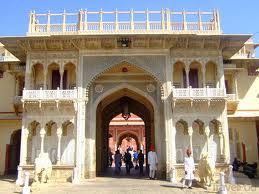
How to ReachEdit

Taxi : Sisodia Rani Palace and Garden, Jaipur can be accessed by Taxi. Taxis run on meter, and charges will hover around Rs 12 per kilometer.

Bus : Sisodia Rani Palace and Garden is well connected by motorable roads with major destinations of Jaipur city. Buses are easily available to Sisodia Rani Palace and Garden from any major destinations of Jaipur.

Train : The nearest railway station to reach Sisodia Rani Palace and Garden is Jaipur Railway Station, Shanti Nagar, Hasanpura, Jaipur, Rajasthan, India which is located at a middle of city. After getting down at the railway station, take an auto-rickshaw, bus or hire a taxi to reach the destination within the city.

Air : The airport is situated close to Sanganer, almost 13 km to the south of Jaipur City. Domestic airlines connect the city to Delhi, Mumbai, Kolkata, Ahmedabad, Agra, Jodhpur and Udaipur. The Jaipur airport also provides international flights to Dubai, London, Muscat and Sharjah. Taxis are available to and from airport. Air India, Indian Airlines, Jet Airways, etc. fly daily to Jaipur.

Others : Cycle rickshaws charge anywhere from Rs 10 to 30, but this mode of transport is very slow.

Things to CarryEdit

Ware cotton clothing, apply sunscreen, sun glasses, camera, water, food

Safety / WarningEdit

Summer – light tropical or cotton Winter – Woollens
1. Double-check all hotel and restaurant bills for errors.
2. Don’t leave cash and valuables in your hotel room. Use room safes where available.
3. Keep daily cash in separate pockets.
4. Don’t flash jewellery or large sums of money.
5. Never pay for anything upfront – including drivers.
6. Avoid touts.

HelplineEdit

Police 100
Fire 101
Ambulance 108
Child 1098
Directory Assistance 216

Gallery


View All Sight of Jaipur... Click Here

City Palace
Hawa Mahal
Jantar Mantar

Sheesh Mahal

India /Rajasthan /Jaipur /Jaipur

Sight Address : Indira Bazar, Near Ajmeri Gate, Indira Bazar, Jaipur, Rajasthan 302001 Edit

Detail InformationEdit

Sheesh Mahal is a famous hall of mirrors situated inside the Amber Palace. An integral part of the Jai Mandir, it has been uniquely constructed by decorating the ceilings and walls of the hall with mirrors, which reflect light rays. This reflection in turn lights up the entire hall inside the Jai Mandir.

Sheesh Mahal

Sheesh Mahal

HistoryEdit

N.A.

Must SeeEdit

Must see

Visiting TimeEdit

9.30 A.M to 4.30 P.M.

Closed OnEdit

N.A.

Best Season to VisitEdit

October to February

Best Time To VisitEdit

Morning , Afternoon

Time Required for SightseeingEdit

N.A.

Ticket Required : Yes Edit

Individual National Adult Rs. : Rs 10

Kids Rs. : N.A.

Individual Foreigner Adult Rs. : Rs 50

Kids Rs. : N.A.

Still Photo Camera Rs. : Rs 20

Video Camera Rs. : Rs 50

Guide Required : No Edit

Approximate cost: N.A.

Dress Code (If Any) : No Edit

Dress Require: N.A.

Restaurants NearbyAdd / Edit

  • Sheesh Mahal ;  Hotel Bissau Palace, Ground Floor, Outside Chandpol Gate, Chandpol, Jaipur, 302016 ; Ph/M –  (+91) 9828156563, (+91) 141 2304371, (+91) 141 2304391 ; Food Serve –  N.A.

How to ReachEdit

Taxi : Sheesh Mahal, Jaipur can be accessed by Taxi. Taxis run on meter, and charges will hover around Rs 12 per kilometer.

Bus: Sheesh Mahal is well connected by motorable roads with major destinations of Jaipur city. Buses are easily available to Sheesh Mahal from any major destinations of Jaipur.

Train : The nearest railway station to reach Sheesh Mahal Palace and Garden is Jaipur Railway Station, Shanti Nagar, Hasanpura, Jaipur, Rajasthan, India which is located at a middle of city. After getting down at the railway station, take an auto-rickshaw, bus or hire a taxi to reach the destination within the city.

Air : The airport is situated close to Sanganer, almost 13 km to the south of Jaipur City. Domestic airlines connect the city to Delhi, Mumbai, Kolkata, Ahmedabad, Agra, Jodhpur and Udaipur. The Jaipur airport also provides international flights to Dubai, London, Muscat and Sharjah. Taxis are available to and from airport. Air India, Indian Airlines, Jet Airways, etc. fly daily to Jaipur.

Others : Cycle rickshaws charge anywhere from Rs 10 to 30, but this mode of transport is very slow.

Things to CarryEdit

Plenty of Water and some food.

Safety / WarningEdit

Summer – light tropical or cotton Winter – Woollens
1. Double-check all hotel and restaurant bills for errors.
2. Don’t leave cash and valuables in your hotel room. Use room safes where available.
3. Keep daily cash in separate pockets.
4. Don’t flash jewellery or large sums of money.
5. Never pay for anything upfront – including drivers.

HelplineEdit

Police 100
Fire 101
Ambulance 108
Child 1098
Directory Assistance 215

Gallery


View All Sight of Jaipur... Click Here

City Palace
Hawa Mahal
Jantar Mantar

Ridhi Sidhi Pol

India /Rajasthan /Jaipur /Jaipur

Sight Address : Ridhi Sidhi Pol, City Palace Complex, Jaipur. Kanwar Nagar, Pink City, Jaipur, Rajasthan Edit

Detail InformationEdit

The Palace has so many gateways that lead to important places inside its premises. One of such doorway is the Ridhi Sidhi Pol, which carries four small doorways. These smaller doorways are conspicuous since it represents the four seasons. Each portion of Ridhi Sidhi Pol is decorated with typical Rajasthani ornamentation, which is really outstanding. Here, there are four small gates (known as Ridhi Sidhi Pol) that are adorned with themes representing the four seasons and Hindu gods. The gates are the Northeast Peacock Gate (with motifs of peacocks on the doorway) representing autumn and dedicated Lord Vishnu; the Southwest Lotus Gate (with continual flower and petal pattern) suggestive of summer season and dedicated to Lord Shiva-Parvati; the Northwest Green Gate, also called the Leheriya (meaning: “waves”) gate, in green colour suggestive of spring and dedicated to Lord Ganesha, and lastly, the Rose Gate with repeated flower pattern representing winter season and dedicated to Goddess Devi.

Ridhi Sidhi Pol

Ridhi Sidhi Pol

HistoryEdit

Ridhi Sidhi Pol, which carries four small doorways. These smaller doorways are conspicuous since it represents the four seasons. Each portion of Ridhi Sidhi Pol is decorated with typical Rajasthani ornamentation, which is really outstanding.Here, there are four small gates (known as Ridhi Sidhi Pol) that are adorned with themes representing the four seasons and Hindu gods. The gates are the Northeast Peacock Gate (with motifs of peacocks on the doorway) representing autumn and dedicated Lord Vishnu; the Southwest Lotus Gate (with continual flower and petal pattern) suggestive of summer season and dedicated to Lord Shiva-Parvati; the Northwest Green Gate, also called the Leheriya (meaning: “waves”) gate, in green colour suggestive of spring and dedicated to Lord Ganesha, and lastly, the Rose Gate with repeated flower pattern representing winter season and dedicated to Goddess Devi. Ridhi Sidhi Pol, leading the way to Pritam Niwas Chowk, has both Rajput as well as Mughal architectural elements. This section is part of the City Palace complex and has been named after the main idol Lord Ganesha and his consorts, Ridhi and Sidhi.

Must See

Edit

Popular

Visiting TimeEdit

10 am to 5.30 pm

Closed OnEdit

N.A.

Best Season to VisitEdit

Mid October to end of March.

Best Time To VisitEdit

Morning, Afternoon

Time Required for SightseeingEdit

N.A.

Ticket Required : Yes Edit

Individual National Adult Rs. : Rs 35

Kids Rs. : Rs 20

Individual Foreigner Adult Rs. : Rs 70

Kids Rs. : N.A.

Still Photo Camera Rs. : Rs. 50

Video Camera Rs. : Rs. 200

Guide Required : No Edit

Approximate cost: N.A.

Dress Code (If Any) : No Edit

Dress Require: N.A.

Restaurants NearbyAdd / Edit

  • Anokhi Cafe ;  KK Square, C/11Prithviraj Road | KK Square, C/11Prithviraj Road, Jaipur 302005, India ; Ph/M –  0141 4007244 ; Food Serve –  Vegetarian, International, Healthy, Organic, Breakfast/Brunch, Lunch Spot, Dinner, Takeout, Dessert

How to ReachEdit

Taxi : Ridhi Sidhi Pol, Jaipur can be accessed by Taxi. Taxis run on meter, and charges will hover around Rs 12 per kilometer.

Bus : Ridhi Sidhi Pol is well connected by motorable roads with major destinations of Jaipur city. Buses are easily available to Ridhi Sidhi Pol from any major destinations of Jaipur.

Train : The nearest railway station to reach Ridhi Sidhi Pol is Jaipur Railway Station, Shanti Nagar, Hasanpura, Jaipur, Rajasthan, India which is located at a middle of city. After getting down at the railway station, take an auto-rickshaw, bus or hire a taxi to reach the destination within the city.

Air : The airport is situated close to Sanganer, almost 13 km to the south of Jaipur City. Domestic airlines connect the city to Delhi, Mumbai, Kolkata, Ahmedabad, Agra, Jodhpur and Udaipur. The Jaipur airport also provides international flights to Dubai, London, Muscat and Sharjah. Taxis are available to and from airport. Air India, Indian Airlines, Jet Airways, etc. fly daily to Jaipur.

Others : Cycle rickshaws charge anywhere from Rs 10 to 30, but this mode of transport is very slow.

Things to CarryEdit

Carry Own Food and Water as there is no good restaurant.

Safety / WarningEdit

Summer – light tropical or cotton Winter – Woollens
1. Double-check all hotel and restaurant bills for errors.
2. Don’t leave cash and valuables in your hotel room. Use room safes where available.
3. Keep daily cash in separate pockets.
4. Don’t flash jewellery or large sums of money.
5. Never pay for anything upfront – including drivers.

HelplineEdit

Police 100
Fire 101
Ambulance 108
Child 1098
Directory Assistance 214

Gallery


View All Sight of Jaipur... Click Here

City Palace
Hawa Mahal
Jantar Mantar

Mubarak Mahal

India /Rajasthan /Jaipur /Jaipur

Sight Address : Mubarak Mahal. Kanwar Nagar, Pink City, Jaipur, Rajasthan Edit

Detail InformationEdit

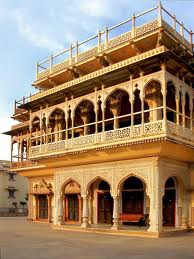
Mubarak Mahal (Palace of Welcome) is part of the City Palace complex and stands in the middle of the courtyard like a beautifully carved ivory box. It was added by Madho Singh II (ruled 1880-1922) in 1900 as a guest house, later it served as the Mahakama Khas (Royal Secretariat) and it now houses the Tosha Khana (Royal wardrobe) museum. This two-storied glittering mansion has so many spacious rooms and the most elegant structure inside the palace is its stunning reception hall, which is embellished by lovely frescos and Murals. Ornamental pillars and highly carved furniture attributes its regal outlook. Charmingly pillared verandahs and a pretty backyard in the palace complex provide an aesthetic appeal to its royal ambiance.

Mubarak Mahal

Mubarak Mahal

HistoryEdit

Mubarak Mahal (The Palace of Welcome), is part of the City Palace complex and stands in the middle of the courtyard like a great carved ivory box. It was added by Madho Singh II (ruled 1880-1922) in 1900 as a guest-house, later served as the Mahakama Khas (Royal Secretariat) and now the Tosha Khana (Royal Wardrobe) of the museum. The first floor houses fine muslins, Benares silks, local hand printed curtains and embroidered coats from north India. But the star is the atamsukh (long quilted robe) of Madho Singh 1 (ruled 1750-68), a huge man whose legendary height of two metres (6.6feet) and weight of 225 kilos (495 pounds) is almost believable to envelope him.Beautiful musical instruments, many inlaid with ivory, are here, as are Jaipur blue pottery, Mughal glass, hookah bases and delightful toys for young royals. Mubarak Mahal, meaning the ‘Auspicious Palace’, was built with a fusion of the Islamic, Rajput and European architectural styles in the late 19th century by Maharaja Madho Singh II as reception centre. It is a museum; a fine repository of variety of textiles such as the royal formal costumes, Sanganeri block prints, embroidered shawls, Kashmiri pashminas and silk saris as part of the Maharaja Sawai Man Singh II Museum. A noteworthy display here is of the set of voluminous clothes worn by Sawai Madhosingh I, who was 1.2 metres (3.9 ft) wide and weighed 250 kilograms (550 lb) but interestingly had 108 wives.
Must SeeEdit

Popular

Visiting TimeEdit

9:30 am – 5:00 pm

Closed OnEdit

N.A.

Best Season to VisitEdit

October to February

Best Time To VisitEdit

Morning , Afternoon

Time Required for SightseeingEdit

N.A.

Ticket Required : Yes Edit

Individual National Adult Rs. : Rs. 35

Kids Rs. : N.A.

Individual Foreigner Adult Rs. : Rs.150

Kids Rs. : N.A.

Still Photo Camera Rs. : Rs.75

Video Camera Rs. : Rs.200

Guide Required : No Edit

Approximate cost: N.A.

Dress Code (If Any) : No Edit

Dress Require: N.A.

Restaurants NearbyAdd / Edit

  • Dragon House ;  Khasa Kothi Circle, M I Rd | Country Inn & Suites, Jaipur 302001 , India ; Ph/M –  0141-4033300 ; Food Serve –  N.A.

How to ReachEdit

Taxi : Mubarak Mahal, Jaipur can be accessed by Taxi. Taxis run on meter, and charges will hover around Rs 12 per kilometer.

Bus : Mubarak Mahal is well connected by motorable roads with major destinations of Jaipur city. Buses are easily available to Mubarak Mahal from any major destinations of Jaipur.

Train : The nearest railway station to reach Mubarak Mahal is Jaipur Railway Station, Shanti Nagar, Hasanpura, Jaipur, Rajasthan, India which is located at a middle of city. After getting down at the railway station, take an auto-rickshaw, bus or hire a taxi to reach the destination within the city.

Air : The airport is situated close to Sanganer, almost 13 km to the south of Jaipur City. Domestic airlines connect the city to Delhi, Mumbai, Kolkata, Ahmedabad, Agra, Jodhpur and Udaipur. The Jaipur airport also provides international flights to Dubai, London, Muscat and Sharjah. Taxis are available to and from airport. Air India, Indian Airlines, Jet Airways, etc. fly daily to Jaipur.

Others : Cycle rickshaws charge anywhere from Rs 10 to 30, but this mode of transport is very slow.

Things to CarryEdit

Plenty of Water and some food.

Safety / WarningEdit

Summer – light tropical or cotton Winter – Woollens
1. Double-check all hotel and restaurant bills for errors.
2. Don’t leave cash and valuables in your hotel room. Use room safes where available.
3. Keep daily cash in separate pockets.
4. Don’t flash jewellery or large sums of money.
5. Never pay for anything upfront – including drivers.

HelplineEdit

Police 100
Fire 101
Ambulance 108
Child 1098
Directory Assistance 213

Gallery


View All Sight of Jaipur... Click Here

City Palace
Hawa Mahal
Jantar Mantar

Moti Doongri

India /Rajasthan /Jaipur /Jaipur

Sight Address : Moti Doongri,Tilak Nagar, Jaipur, Rajasthan Edit

Detail InformationEdit

Moti Doongri is the famous Pearl Hill which resembles a pearl drop and is known for its temple and palace. Its architecture is similar to that of a castle in Scotland. The palace situated at this hill was once the residence of Sawai Man Singh II (1912-1970), who was the last ruler of Jaipur. Later, the palace was residence of Jagat Singh, who was the youngest son of Sawai Man Singh II. This palace is not open for public as it is still the private property of the royal family. There is also a temple situated at the hilltop, which is open for all, regardless of their religion and social status. This temple is dedicated to Lord Ganesha and is situated near the Birla Mandir.

Moti Doongri

Moti Doongri

HistoryEdit

Moti Doongri Ganesha Temple goes back to 18th century when it was built by Set Jairam Paliwal in 1761. The story behind it is very interesting, as it goes like this. The king of Mewar was returning to the city after a long journey and he was carrying a Ganesha idol on one of his bullock in the convoy. He wanted to built a temple of the Lord and has decided to built it wherever the bullock first halts and it halted at foot of the Moti Doongri hills and so as per his wish, the temple of Moti Doongri, Jaipur came into existence. The credit for this temple goes to Seth Jiaram Plaiwal because he supervise the construction and finalized the design. According to the priests of the temple, the King of ‘Mewar’ was returning back to his palace from a long journey and was carting a colossal ‘Ganesh’ idol on a bullock cart. It is said, that the king wanted to build a temple, and had decided to consecrate the idol of Lord Ganesh wherever the bullock cart halted the first time. Legend states that the bullock cart stopped at the foot of the Moti Dungri hills, which is where the temple is situated today. It is said that the construction and the design of the temple was commissioned to Seth Jai Ram Paliwal, who supervised the construction of this magnificent structure, on the inspiration of ‘Mahant’ (chief priest) Shiv Narain Ji. The temple was originally built to house the ‘Ganesh’ idol, with only the ‘Shaiva’ (Lord Shiva followers) visiting the temple. Thereafter, the palace complex was built, encompassing the Moti Dungri Ganesh temple within it, making it a popular religious and tourist center in Jaipur.

Must SeeEdit

Popular

Visiting TimeEdit

5:00 AM to 1:30 PM & 4:30 PM to 9:30 PM

Closed OnEdit

N.A.

Best Season to VisitEdit

October and March

Best Time To VisitEdit

Morning , Afternoon ,Evening.

Time Required for SightseeingEdit

N.A.

Ticket Required : Yes Edit

Individual National Adult Rs. : Rs.25

Kids Rs. : N.A.

Individual Foreigner Adult Rs. : Rs.75

Kids Rs. : N.A.

Still Photo Camera Rs. : Rs.50

Video Camera Rs. : Rs.200

Guide Required : No Edit

Approximate cost: N.A.

Dress Code (If Any) : No Edit

Dress Require: N.A.

Restaurants NearbyAdd / Edit

  • Suryaa Villa ;  3 Peelwa Garden, Moti Dungri Road, Jaipur, Rajasthan – 302004 ; Ph/M –  98107 40882  & 0141-2607972 ; Food Serve –  N.A.

How to ReachEdit

Taxi : Moti Doongri, Jaipur can be accessed by Taxi. Taxis run on meter, and charges will hover around Rs 12 per kilometer.

Bus : Moti Doongri is well connected by motorable roads with major destinations of Jaipur city. Buses are easily available to Moti Doongri from any major destinations of Jaipur.

Train : The nearest railway station to reach Moti Doongri is Jaipur Railway Station, Shanti Nagar, Hasanpura, Jaipur, Rajasthan, India which is located at a middle of city. After getting down at the railway station, take an auto-rickshaw, bus or hire a taxi to reach the destination within the city.

Air : The airport is situated close to Sanganer, almost 13 km to the south of Jaipur City. Domestic airlines connect the city to Delhi, Mumbai, Kolkata, Ahmedabad, Agra, Jodhpur and Udaipur. The Jaipur airport also provides international flights to Dubai, London, Muscat and Sharjah. Taxis are available to and from airport. Air India, Indian Airlines, Jet Airways, etc. fly daily to Jaipur.

Others : Cycle rickshaws charge anywhere from Rs 10 to 30, but this mode of transport is very slow.

Things to CarryEdit

Carry Own Food and Water as there is no good restaurant.

Safety / WarningEdit

Summer – light tropical or cotton Winter – Woollens
1. Double-check all hotel and restaurant bills for errors.
2. Don’t leave cash and valuables in your hotel room. Use room safes where available.
3. Keep daily cash in separate pockets.
4. Don’t flash jewellery or large sums of money.
5. Never pay for anything upfront – including drivers.

HelplineEdit

Police 100
Fire 101
Ambulance 108
Child 1098
Directory Assistance 212

Gallery


View All Sight of Jaipur... Click Here

City Palace
Hawa Mahal
Jantar Mantar

Lakshmi Narayan Temple

India /Rajasthan /Jaipur /Jaipur

Sight Address : Lakshmi Narayan ,Chanakyapuri, Jaipur, Rajasthan 302003 Edit

Detail InformationEdit

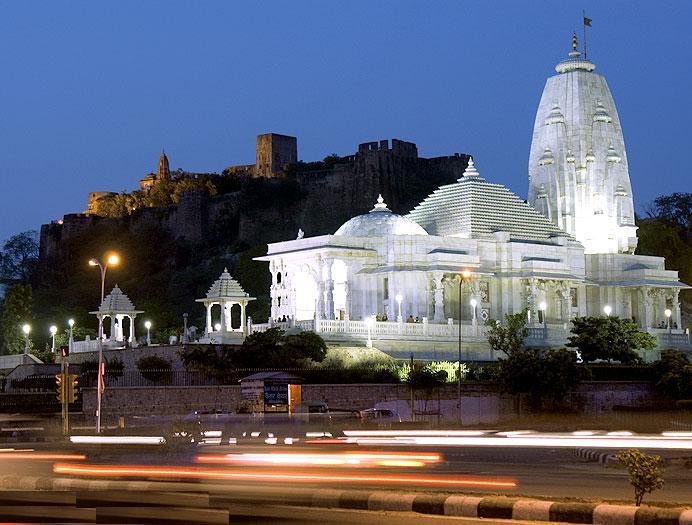
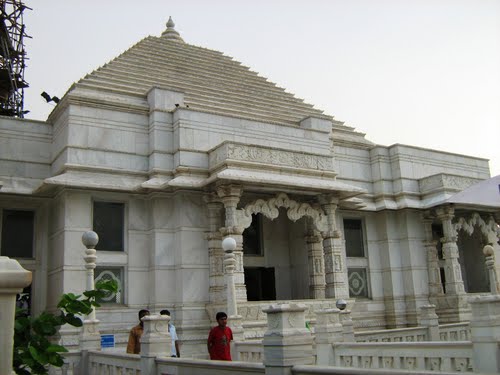
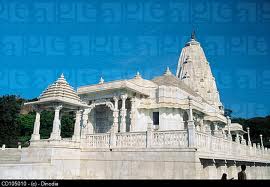
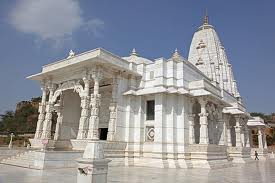
The Birla Temple, originally known as Lakshmi Narayan Temple, and is situated below the Moti Dungri Fort in Jaipur. Dedicated to Lord Vishnu and Goddess Lakshmi, this temple is a proud architectural landmark of Jaipur. Built in pure white marble, the Birla Temple is unlike the traditional ancient Hindu temples, and is built with a modern approach. Inside this magnificent shrine, beautifully sculpted idols of Lord Vishnu and Goddess Lakshmi, as well as other Hindu Gods and Goddesses, can be seen. Delicate carvings of Hindu symbols, and ancient quotes from the Geeta and the Upanishads ornament the walls of this fascinating temple. One can also recognize the mythological events engraved on the walls. Apart from the religious idols, pictures and figures of several religious saints, philosophers and historical achievers, like Socrates, Buddha, Zarathustra and Confucius, are also included in the temple. A work of art, this temple truly represents architectural beauty, in a modern form.

HistoryEdit

The construction of Lakshmi Narayan temple dedicated to Laxmi Narayana started in 1933, built by industrialist and philanthropist, Baldeo Das Birla and his son Jugal Kishore Birla of Birla family, thus, the temple is also known as Birla Temple. The foundation stone of temple was laid by Maharaj Udaybhanu Singh. The temple was built under guidance of Pandit Vishwanath Shastri. The concluding ceremony and Yagna was performed by Swami Keshwa Nandji. The famous temple is accredited to have been inaugurated by Mahatma Gandhi in 1939. At that time, Mahatma Gandhi kept a condition that the temple would not be restricted to the Hindus and people from every caste would be allowed inside.This beautiful and huge temple was built in1988, by Birla Group of Industries. The Temple is dedicated to Lord Vishnu (Narayan), the preserver and his consort Lakshmi, the Goddess of wealth and is popularly known as Laxmi Narayan Temple. This is also called Birla Mandir. Birla Temple of Jaipur looks stunning, when it is brightly lit in the night. The enormous temple was built during the year 1988, by Birla Group of Industries, one of the business tycoons of India. The Temple is dedicated to Lord Vishnu (Narayan), the preserver and his consort Lakshmi, the Goddess of wealth. Due to this reason, Birla Temple is also known as Laxmi Narayan Temple. Birla Mandir is constructed in the finest quality of white marble.

Must SeeEdit

Popular

Visiting TimeEdit

8.00 AM to 12.00 Noon; 4.00 PM to 8.00 PM

Closed OnEdit

N.A.

Best Season to VisitEdit

October to March

Best Time To VisitEdit

Morning, Afternoon, Evening.

Time Required for SightseeingEdit

N.A.

Ticket Required : No Edit

Individual National Adult Rs. : N.A.

Kids Rs. : N.A.

Individual Foreigner Adult Rs. : N.A.

Kids Rs. : N.A.

Still Photo Camera Rs. : Rs.50

Video Camera Rs. : Rs.150

Guide Required : No Edit

Approximate cost: N.A.

Dress Code (If Any) : No Edit

Dress Require: N.A.

Restaurants NearbyAdd / Edit

  • Kalyan Restaurant ;  59 Hathroi Fort, Ajmer Road, Jaipur 302001, India ; Ph/M –  91-9314501591 ; Food Serve –  Chinese, Diner, English, Indian, Italian, Pizza, Vegetarian, International, Fast food, Ice cream

How to ReachEdit

Taxi : Lakshmi Narayan Temple, Jaipur can be accessed by Taxi. Taxis run on meter, and charges will hover around Rs 12 per kilometer.

Bus : Lakshmi Narayan Temple is well connected by motorable roads with major destinations of Jaipur city. Buses are easily available to Lakshmi Narayan Temple from any major destinations of Jaipur.

Train : The nearest railway station to reach Lakshmi Narayan Temple is Jaipur Railway Station, Shanti Nagar, Hasanpura, Jaipur, Rajasthan, India which is located at a middle of city. After getting down at the railway station, take an auto-rickshaw, bus or hire a taxi to reach the destination within the city.

Air : The airport is situated close to Sanganer, almost 13 km to the south of Jaipur City. Domestic airlines connect the city to Delhi, Mumbai, Kolkata, Ahmedabad, Agra, Jodhpur and Udaipur. The Jaipur airport also provides international flights to Dubai, London, Muscat and Sharjah. Taxis are available to and from airport. Air India, Indian Airlines, Jet Airways, etc. fly daily to Jaipur.

Others : Cycle rickshaws charge anywhere from Rs 10 to 30, but this mode of transport is very slow.

Things to CarryEdit

Ware cotton clothing, apply sunscreen, sun glasses, camera, water, food

Safety / WarningEdit

Summer – light tropical or cotton Winter – Woollens
1. Double-check all hotel and restaurant bills for errors.
2. Don’t leave cash and valuables in your hotel room. Use room safes where available.
3. Keep daily cash in separate pockets.
4. Don’t flash jewellery or large sums of money.
5. Never pay for anything upfront – including drivers.

HelplineEdit

Police 100
Fire 101
Ambulance 108
Child 1098
Directory Assistance 211

Gallery


View All Sight of Jaipur... Click Here

City Palace
Hawa Mahal
Jantar Mantar

Jantar Mantar, Jaipur

India /Rajasthan /Jaipur /Jaipur

Sight Address : Jantar Mantar, near City Palace, Tripolia Bazar, Jaipur, Rajasthan 302002 Edit

Detail InformationEdit

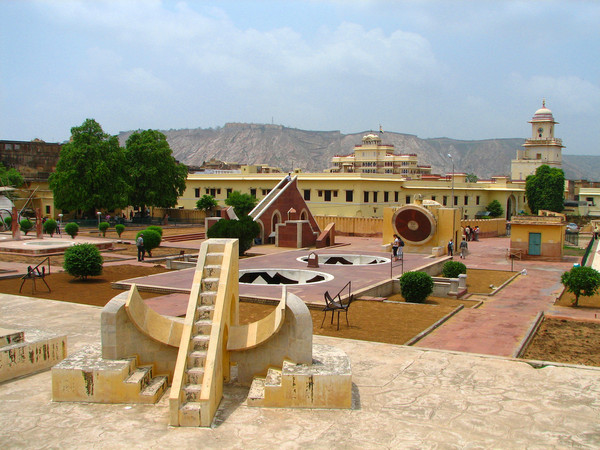
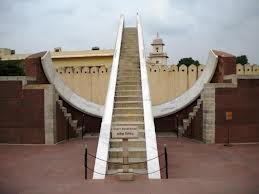
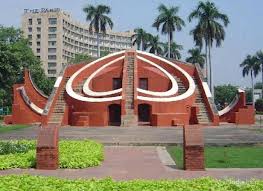
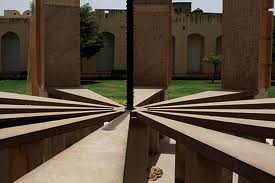
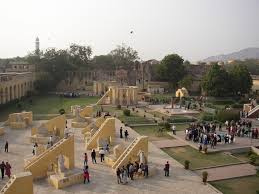
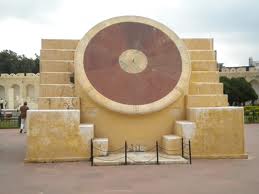
The Jantar Mantar, Jaipur is a collection of architectural astronomical instruments, built by Maharaja Jai Singh II at his then new capital of Jaipur between 1727 and 1734. It is modelled after the one that he had built for him at the Mughal capital of Delhi. He had constructed a total of five such facilities at different locations, including the ones at Delhi and Jaipur. The Jaipur observatory is the largest and best preserved of these.

jantar mantar

Jantar Mantar

HistoryEdit

Jantar Mantar of Jaipur in Rajasthan is one of the five astronomical observatories built by Maharaja Jai Singh, the founder of Jaipur of Rajasthan and is located close to the gate of the famous City Palace of Jaipur of Rajasthan. Jantar Mantar of Jaipur in Rajasthan is the biggest stone observatory in the world, which is still in a running condition and stands witness to the wisdom of the former age. The Jantar Mantar at Jaipur of Rajasthan was conceived as a quest for discovering the mysteries of the Cosmos. It was built not only to verify astronomical observations made at Jaipur of Rajasthan, but also to stimulate interest in astronomy, which had become enmeshed in theory, superstition and religious jargon. During the period between 1727 and 1733, Jantar Mantar of Rajasthan took its form and structure. Maharaja Jai Singh II, the founder of the ‘pink city’, was a great scholar and an avid astrologer. He studied philosophy, astrology, architecture and religion in various schools, and was also well versed with universal mathematical concepts such as Euclid’s Clements, Ptolemy’s Syntaxes and the Master works of Aryabhatta. In the year 1718, he wanted to construct an observatory of renown. For this, he studied the subject of astronomy and then built five different observatories around North India. At these places, he would sit with other scholarly astronomers, such as Pt. Kedarnath, for astronomical observations. The ‘Jantar Mantar’ at Jaipur, being the biggest conservatory in the country, was renovated time and again and houses various instruments that offer precise measurements of time, the azimuth, declination of the sun and the positions of constellations, along with several other astronomical phenomena. The Jaipur observatory was functional for seven years only, as the Maharaja was not very successful in deriving accurate, astronomical observations.

Must SeeEdit

Must-see

Visiting TimeEdit

9.30 a.m. to 5 p.m

Closed OnEdit

N.A.

Best Season to VisitEdit

October to March

Best Time To VisitEdit

Morning , Afternoon

Time Required for SightseeingEdit

N.A.

Ticket Required : Yes Edit

Individual National Adult Rs. : Rs.40

Kids Rs. : Rs.20

Individual Foreigner Adult Rs. : Rs. 100

Kids Rs. : N.A.

Still Photo Camera Rs. : Rs. 20 for Indian and Rs. 50 for Foreigners

Video Camera Rs. : Rs.50

Guide Required : No Edit

Approximate cost: N.A.

Dress Code (If Any) : No Edit

Dress Require: N.A.

Restaurants NearbyAdd / Edit

  • Supyar Mahal, Trattoria ;  20 Jaswant Nagar | Khatipura, Jaipur 302012, India, 2)9 Khandela House Sansar Chandra Rd ; Ph/M –  141 237 8009 ; Food Serve –  N.A.

How to ReachEdit

Taxi : Jantar Mantar, Jaipur can be accessed by Taxi. Taxis run on meter, and charges will hover around Rs 12 per kilometer.

Bus: Jantar Mantar is well connected by motorable roads with major destinations of Jaipur city. Buses are easily available to Jantar Mantar from any major destinations of Jaipur.

Train : The nearest railway station to reach Jantar Mantar is Jaipur Railway Station, Shanti Nagar, Hasanpura, Jaipur, Rajasthan, India which is located at a middle of city. After getting down at the railway station, take an auto-rickshaw, bus or hire a taxi to reach the destination within the city.

Air : The airport is situated close to Sanganer, almost 13 km to the south of Jaipur City. Domestic airlines connect the city to Delhi, Mumbai, Kolkata, Ahmedabad, Agra, Jodhpur and Udaipur. The Jaipur airport also provides international flights to Dubai, London, Muscat and Sharjah. Taxis are available to and from airport. Air India, Indian Airlines, Jet Airways, etc. fly daily to Jaipur.

Others : Cycle rickshaws charge anywhere from Rs 10 to 30, but this mode of transport is very slow.

Things to CarryEdit

Carry Own Food and Water as there is no good restaurant.

Safety / WarningEdit

Summer – light tropical or cotton Winter – Woollens
1. Double-check all hotel and restaurant bills for errors.
2. Don’t leave cash and valuables in your hotel room. Use room safes where available.
3. Keep daily cash in separate pockets.
4. Don’t flash jewellery or large sums of money.
5. Never pay for anything upfront – including drivers.
6. Avoid touts.

HelplineEdit

Police 100
Fire 101
Ambulance 108
Child 1098
Directory Assistance 210

Gallery


View All Sight of Jaipur... Click Here

City Palace
Hawa Mahal
Jantar Mantar