Author Archives: abhibhushan

Kanchenjunga

India /Sikkiml /North Sikkim /North Sikkim

Sight Address : Kanchenjunga Mountain, North Sikkim, Darjeeling, India Edit

Detail InformationEdit

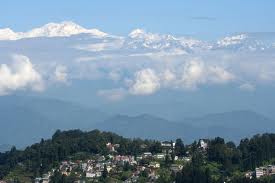
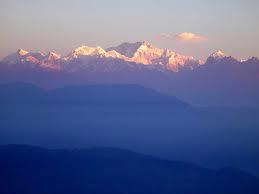
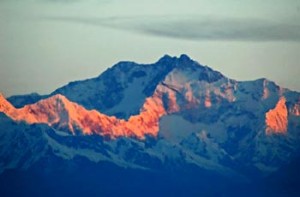
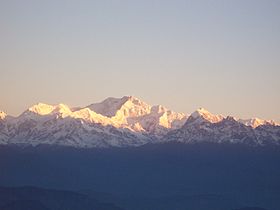
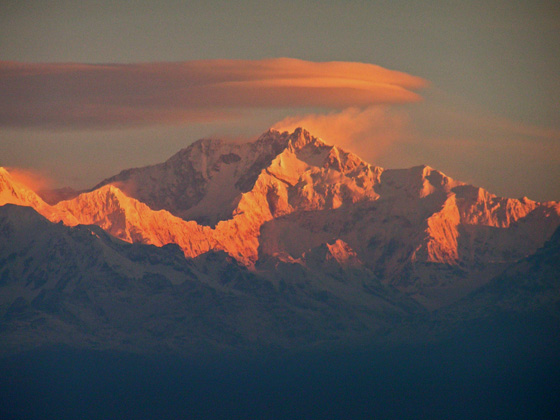
Kangchenjunga is the third highest mountain in the world. It rises with an elevation of 8,586 m (28,169 ft) in a section of the Himalayas called Kangchenjunga Himal that is limited in the west by the Tamur River and in the east by the Tista River. Kangchenjunga is located on the boundary between Nepal and the Indian state of Sikkim. The Geological Survey of India indicates the summit of Kangchenjunga at 8,598 m (28,209 ft).It is the highest peak in India and the easternmost of the peaks higher than 8,000 m (26,000 ft). It is called Five Treasures of Snow after its five high peaks, and has always been worshipped by the people of Darjeeling and Sikkim. The treasures represent the five repositories of God, which are gold, silver, gems, grain, and holy books.[citation needed Three of the five peaks – main, central, and south – are on the border of North Sikkim in India and Taplejung District of Nepal, while the other two are completely in Taplejung District.Until 1852, Kangchenjunga was assumed to be the highest mountain in the world, but calculations based on various readings and measurements made by the Great Trigonometric Survey of India in 1849 came to the conclusion that Mount Everest, known as Peak XV at the time, was the highest. Allowing for further verification of all calculations, it was officially announced in 1856 that Kangchenjunga is the third-highest mountain. Kangchenjunga was first climbed on May 25, 1955 by Joe Brown and George Band, who were part of a British expedition. They stopped short of the summit as per the promise given to the Maharaja of Sikkim that the top of the mountain would remain inviolate. Every climber or climbing groups that have reached the summit have have followed this tradition.Kanchenjunga is the third highest mountain in the world (the first two being Mount Everest and K2), standing at an altitude of 8586 m. There are five peaks in Kanchenjunga. If you watch Kanchenjunga from the Observatory Hills, you might be deceived that the mount is a calm and serene upheaval of ice and snow.In reality, rock and ice avalanches more often thunder this ostensibly serene mount. There are not any direct routes to the mount. One has to try various indirect routes, probably starting by ascending any one of the five peaks, then finding any possible place for camping, and attempting the summit. As hardship it may give, a visit to Kanchenjunga is memorable. Kangchenjunga translated means “The Five Treasures of Snows”, as it contains five peaks, four of them over 8,450 metres, the treasures representing the five repositories of God, which are gold, silver, gems, grain, and holy books. Kangchenjunga is also called Sewa Lungma in the local Limbu language and is considered sacred in the Kirat religion. Three of the five peaks (main, central, and south) are on the border of North Sikkim district of Sikkim, India and Taplejung District of Nepal, while the other two are completely in Taplejung District. Although Kangchenjunga is the official spelling adopted by Douglas Freshfield, A.M. Kellas, and the Royal Geographical Society that gives the best indication of the Tibetan pronunciation, there are a number of alternative spellings which include Kangchen Dzö-nga, Khangchendzonga, Kanchenjanga, Kachendzonga, Kanchenjunga or Kangchanfanga.
The final word on the use of the name Kangchenjunga came from His Highness Sir Tashi Namgyal, the Maharaja or Chogyal of Sikkim, who stated that “although junga had no meaning in Tibetan, it really ought to have been Zod-nga (treasure, five) Kang-chen (snow, big) to convey the meaning correctly”. Following consultations with a Lieutenant-Colonel J.L.R. Weir (HMG political agent to Sikkim), he agreed that it was best to leave it as Kangchenjunga, and thus the name remained so by acceptance and usage.
Kanchenjunga

Kanchenjunga

HistoryEdit

Between April 1848 and February 1849, Joseph Dalton Hooker explored parts of northern Sikkim and eastern Nepal, mainly to collect plants and study the distribution of Himalayan flora. He was based in Darjeeling, and made repeated excursions in the river valleys and into the foothills of Kangchenjunga up to an altitude of 15,620 ft (4,760 m).In spring 1855, the German exlorer Hermann Schlagintweit travelled to Darjeeling but was not allowed to proceed further north due to the Nepalese-Tibetan War. In May, he explored the Singalila Ridge up to the peak of Tonglo for a meteorological survey.In 1883, a party of William Woodman Graham, the British pioneer of Himalayan mountaineering, claimed to have circumnavigated the mountain in March 1882. After climbing an 18,000 ft (5,500 m) peak, they were forced to return to Darjeeling after only a week. They returned in July 1883 with two Swiss guides for a purported attempt whilst climbing other peaks in the area and hunting snow leopard.In 1899, British mountaineer Douglas Freshfield set out with his party comprising the Italian photographer Vittorio Sella. They were the first mountaineers to examine the lower and upper ramparts, and the great western face of Kangchenjunga, rising from the Kangchenjunga Glacier. In 1905, a party headed by Aleister Crowley was the first attempt at climbing the mountain. Aleister Crowley had been part of the team attempting the 1902 ascent of K2. The team reached an estimated altitude of 6,500 m (21,300 ft) on the southwest side of the mountain before turning back. The exact height reached is somewhat unclear; Crowley stated that on August 31, “We were certainly over 21,000 ft (6,400 m) and possibly over 22,000 ft (6,700 m)”, when the team was forced to retreat to Camp 5 by the risk of avalanche. On September 1, they evidently went further; some members of the team (Reymond, Pache and Salama) “got over the bad patch” that had forced them to return to Camp 5 the day before, and progressed “out of sight and hearing” before returning to Crowley and the men with packs, who could not cross the dangerous section unassisted with their burdens. It is not clear how far Reymond, Pache and Salama had ascended – but in summarizing, Crowley ventured “We had reached a height of approximately 25,000 ft (7,600 m).” Attempting a “mutinous” late-in-the-day descent from Camp 5 to Camp 4, climber Alexis Pache (who earlier that day had been one of three to ascend possibly higher than any before), and three local porters, were killed in an avalanche. Despite the insistence of one of the men that “The demon of Kangchenjunga was propitiated with the sacrifice”, Crowley decided enough was enough and that it was inappropriate to continue. In 1929, a German expedition led by Paul Bauer reached 7,400 m (24,280 ft) on the northeast spur before being turned back by a five-day storm. In 1930, an international expedition led by George Dyhrenfurth, German Uli Wieland, Austrian Erwin Schneider and Englishman Frank Smythe (who published “The Kangchenjunga Adventure” in the same year). The attempt failed due to poor weather and snow conditions. In 1931, a second German expedition, led again by Paul Bauer, attempted the northeast spur before being turned back by bad weather, illnesses, and deaths. The expedition retreated after climbing only a little higher than the 1929 attempt.In 1954, a reconnaissance of Kangchenjunga’s southwest side was made by John Kempe (leader), J.W. Tucker, Ron Jackson, Trevor H. Braham, G.C. Lewis, and Dr. D.S. Mathews.This reconnaissance led to the route used by the successful 1955 expedition.

Must SeeEdit

Popular

Visiting TimeEdit

9 am to 6 pm

Closed OnEdit

N.A.

Best Season to VisitEdit

Winter (December to January)
Spring (February to March)
Summer (April to June)
Autumn (September to November)

Best Time To VisitEdit

Morning , Afternoon , Evening.

Time Required for SightseeingEdit

N.A.

Ticket Required : N.A. Edit

Individual National Adult Rs. : N.A.

Kids Rs. : N.A.

Individual Foreigner Adult Rs. : N.A.

Kids Rs. : N.A.

Still Photo Camera Rs. : N.A.

Video Camera Rs. : N.A.

Guide Required : No Edit

Approximate cost: N.A.

Dress Code (If Any) : No Edit

Dress Require: N.A.

Restaurants NearbyAdd / Edit

  • Seven Seas Hotel ;  17, NB Singh Rd,Near Mall Darjeeling, West Bengal 734101 ; Ph/M –  0354 225 8463 ; Food Serve –  N.A.

How to ReachEdit

Taxi : Intra-city transport is mostly by hired taxis. The private taxis or cars are essentially of two types – small cars like Maruti Vans or Santros, and large ones like Scorpio, Tata Sumo etc. While you can always take a private taxi/car from outside the station or airport, negotiate the rates and move for Darjeeling, it is always advisable to take one from the Pre-Paid taxi counters located inside the station and the airport.

Bus : You will get buses only from the Tenzing Norgay Central Bus Terminus located on Hill Cart Road in Siliguri. It is about 8kms from NJP station. The usual route is by Hill Cart Road and the travel duration is about 4 hours. Bus fare from Siliguri to Darjeeling Via Hill Cart Road: Rs. 50.00 per person Bus fare from Siliguri to Darjeeling Via Mongpu: Rs. 80.00 per person. The Mongpu route is taken in case the Hill Cart Road is closed. After getting down at the bus stop, you can take an auto-rickshaw, or hire a taxi to reach the destination within the city.

Train : New Jalpaiguri is the nearest major railway station. New Jalpaiguri is well connected to major Indian cities, especially Kolkata. The diesel engine hauled toy train leaves NJP station at 9am and takes about 7 hours 15 minutes to reach Darjeeling. You can also board the train from Siliguri Town Station or Siliguri Junction Station that are 5kms and 8kms away from NJP respectively. There are also toy trains available from Siliguri Junction and Darjeeling for joy rides. These are steam engine hauled toy trains. Check out Darjeeling Toy Train Services for current status and schedules.
NJP to Darjeeling (1st Class): Not operational since Sept 2010 due to track damage
NJP to Darjeeling (2nd Class): Not operational since Sept 2010 due to track damage
Darjeeling to Ghoom & back Joy Ride (First Class): Rs. 270.00 per person if booked through IRCTC website. This two hours ride includes entry fee for the DHR Museum at Ghoom. Siliguri Junction Station to Tindharia & back Joy Ride: Rs. 496.00 per person. After getting down at the railway station, you can take an auto-rickshaw, bus or hire a taxi to reach the destination within the city.

Air : Darjeeling does not have an airstrip. The nearest airport is Bagdogra airport (IXB), near Siliguri, which is a 3-hour (approx. 90 km) drive from Darjeeling. Indian, Jet Airways and Kingfisher Airlines are the three major carriers that fly to Delhi, Kolkata and Guwahati from Bagdogra. Indian Airlines (2254230; Chowrasta) (10am-5.30pm Mon-Sat). Pineridge Travels (2253912; pineridge@mail.com; Nehru Rd; h10am-5pm Mon-Sat) For domestic and international flight tickets. After getting down at the airport, you can take an auto-rickshaw, bus or hire a taxi to reach the destination within the city.

Others : Toy train are also available for this destination.

Things to CarryEdit

Sun-screen, sun glasses, tissue-rolls, roll of duct-tape, extra batteries, torchlight, water, energy-bars are ‘must-carry’ along with a First-aid kit.
•Medicines to carry when you are travelling to a new place or when you’re away from home town (which must be approved and prescribed by your physician or medical practitioner) are:
• Painkillers
• Anti-inflammatory
• Wide-spectrum antibiotic
• Anti-diarrhea
• Anti-constipation pills
• Mild sleeping pills – just in case you feel very overwhelmed by the altitude and atmosphere because of which you are unable to sleep.

Safety / WarningEdit

Drinking Water Problem in Darjeeling.

HelplineEdit

Police-100
Women-181
Fire – 101
Ambulance – 102
Child Helpline – 1098
Gallery


View All Sight of Darjeeling... Click Here

Kanchenjunga
Darjeeling Toy Train
Tiger Hill

Darjeeling Toy Train

India /West Bengal /Darjeeling /Darjeeling

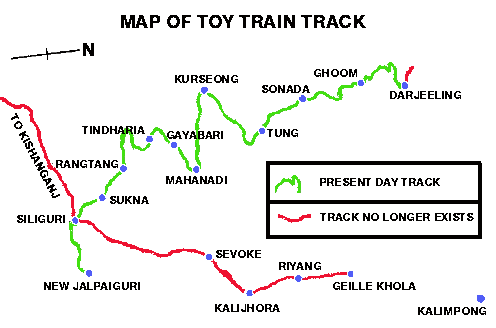
Sight Address : Darjeeling Toy Train is Stations: 13 (New Jalpaiguri, Siliguri Town, Siliguri Junction, Sukna, Rongtong, Tindharia, Gayabari, Mahanadi, Kurseong, Tung, Sonada, Ghum and Darjeeling) Edit

Detail InformationEdit

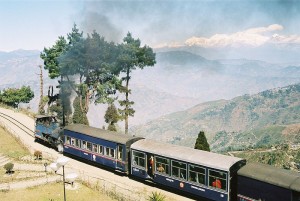
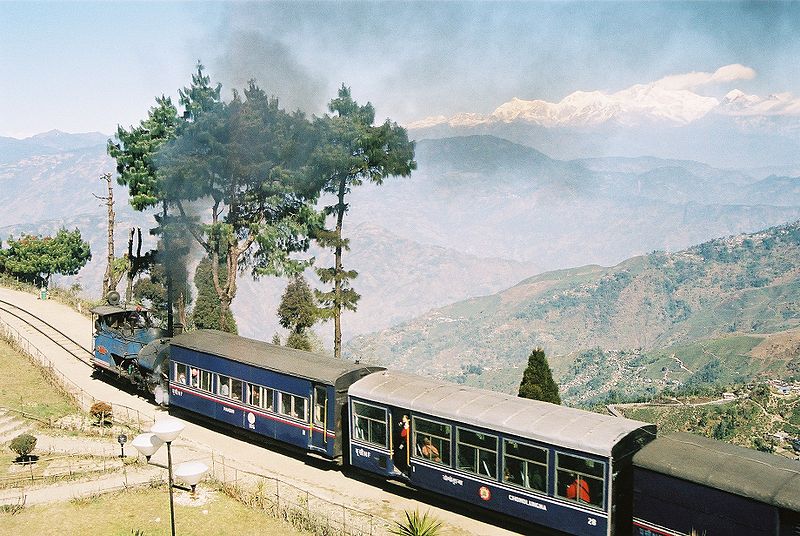
Darjeeling Toy Train, also known as the Darjeeling Himalayan Railway, is a 2 ft (610 mm) narrow gauge railway that runs between New Jalpaiguri and Darjeeling in West Bengal. Built between 1879 and 1881, the railway is about 78 kilometres (48 mi) long. Its elevation level varies from about 100 metres (328 ft) at New Jalpaiguri to about 2,200 metres (7,218 ft) at Darjeeling. Four modern diesel locomotives handle most of the scheduled services: however the daily Kurseong-Darjeeling return service and the daily tourist trains from Darjeeling to Ghum (India’s highest railway station) are handled by the vintage British-built B Class steam locomotive, DHR 778. The railway, along with the Nilgiri Mountain Railway and the Kalka-Shimla Railway, is listed as a Mountain Railways of India World Heritage Site. The headquarters of the railway is in the town of Kurseong.
13 Stations – New Jalpaiguri, Siliguri Town, Siliguri Junction, Sukna, Rongtong, Tindharia, Gayabari, Mahanadi, Kurseong, Tung, Sonada, Ghum and Darjeeling. Daily main service to Darjeeling departs from New Jalpaiguri at 9 a.m. and arrives at 4.15 p.m. There’s also a service from Kurseong to Darjeeling at 3 p.m, arriving at 8 p.m. In addition, during the tourist season there’s a train from New Jalpaiguri to Kurseong at 8.30 a.m.Joyrides depart from Darjeeling daily at 10.40 a.m. and 1.20 p.m., and Siliguri Junction daily at 10.30 a.m. Each journey lasts for around two hours.Jungle Safari trains run on the weekends and public holidays. The trains depart from Siliguri at 11.15 a.m., with the return trip taking approximately five and a half hours. The Darjeeling toy train, officially known as the Darjeeling Himalayan Railway, transports passengers through the lower reaches of the Eastern Himalayas to the rolling hills and lush green tea plantations of Darjeeling. Like most other hill settlements in India, Darjeeling was once a summer retreat of the British. The railway was completed in 1881. It’s now listed as a UNESCO World Heritage Site.The train route runs for 80 kilometers (50 miles) from New Jalpaiguri, in the state of West Bengal, to Darjeeling via Siliguri, Kurseong, and Ghum. The railway line climbs up steeply through a number of fascinating reverses and loops. One of the most scenic of these is Batasia Loop, between Ghum and Darjeeling, which provides a panoramic view of Darjeeling perched on the hill and Mount Kanchenjunga in the background. The train also passes over 5 major, and nearly 500 minor, bridges.

Darjeeling Toy Train

Darjeeling Toy Train

HistoryEdit

Darjeeling Toy Train, also known as the Darjeeling Himalayan Railway, is a 2 ft (610 mm) narrow gauge railway that runs between New Jalpaiguri and Darjeeling in West Bengal, built between 1879 and 1881, A broad gauge railway connected Calcutta (now Kolkata) and Siliguri in 1878. Siliguri, at the base of the Himalayas, was connected to Darjeeling by a cart road (the present day Hill Cart Road) on which “Tonga services” (carriage services) were available.Franklin Prestage, an agent of Eastern Bengal Railway Company approached the government with a proposal of laying a steam tramway from Siliguri to Darjeeling. The proposal was accepted in 1879 following the positive report of a committee formed by Sir Ashley Eden, the Lieutenant Governor of Bengal.Construction started the same year. A Darjeeling reversing station (ca. 1905) Gillanders Arbuthnot & Co. constructed the railway. The stretch from Siliguri to Kurseong was opened on 23 August 1880, while the official opening of the line up to Darjeeling was on 4 July 1881. Several engineering adjustments were made later in order to ease the gradient of the rails. Despite natural calamities, such as an earthquake in 1897 and a major cyclone in 1899,the DHR continued to improve with new extension lines being built in response to growing passenger and freight traffic. However, the DHR started to face competition from bus services that started operating over the Hill Cart Road, offering a shorter journey time. During World War II, the DHR played a vital role transporting military personnel and supplies to the numerous camps around Ghum and Darjeeling. After the independence of India, the DHR was absorbed into Indian Railways and became a part of the Northeast Frontier Railway zone in 1958. In 1962, the line was realigned at Siliguri and extended by nearly 4 miles (6 km) to New Jalpaiguri (NJP) to meet the new broad gauge line there. DHR remained closed for 18 months during the hostile period of Gorkhaland Movement in 1988–1989.

Must SeeEdit

Popular

Visiting TimeEdit

The main daily toy train service to Darjeeling departs from New Jalpaiguri at 9 a.m. and arrives at 4.15 p.m. There’s also a service from Kurseong to Darjeeling at 3 p.m, arriving at 8 p.m. In addition, during the tourist season there’s a train from New Jalpaiguri to Kurseong at 8.30 a.m.

Closed OnEdit

N.A.

Best Season to VisitEdit

Winters (December to January)
Spring (February to March)
Summers (April to June)
Autumn (September to November)

Best Time To VisitEdit

Morning , Afternoon , Evening.

Time Required for SightseeingEdit

N.A.

Ticket Required : Yes Edit

Individual National Adult Rs. : The daily toy train service to Darjeeling costs 247 rupees in first class,and 47 rupees in second class,one way. First class joyrides cost 240 rupees return.

Kids Rs. : N.A.

Individual Foreigner Adult Rs. : “The daily toy train service to Darjeeling costs ($5.20) in first class, and ($1) in second class, one way. First class joyrides cost 240 rupees return.(Payment made be in Indian currency).

Kids Rs. : N.A.

Still Photo Camera Rs. : N.A.

Video Camera Rs. : N.A.

Guide Required : No Edit

Approximate cost: N.A.

Dress Code (If Any) : No Edit

Dress Require: N.A.

Restaurants NearbyAdd / Edit

  • N.A. ;  N.A. ; Ph/M –  N.A. ; Food Serve –  N.A.

How to ReachEdit

Taxi : Intra-city transport is mostly by hired taxis. The private taxis or cars are essentially of two types – small cars like Maruti Vans or Santros, and large ones like Scorpio, Tata Sumo etc. While you can always take a private taxi/car from outside the station or airport, negotiate the rates and move for Darjeeling, it is always advisable to take one from the Pre-Paid taxi counters located inside the station and the airport.

Bus : You will get buses only from the Tenzing Norgay Central Bus Terminus located on Hill Cart Road in Siliguri. It is about 8kms from NJP station. The usual route is by Hill Cart Road and the travel duration is about 4 hours. Bus fare from Siliguri to Darjeeling Via Hill Cart Road: Rs. 50.00 per person Bus fare from Siliguri to Darjeeling Via Mongpu: Rs. 80.00 per person. The Mongpu route is taken in case the Hill Cart Road is closed. After getting down at the bus stop, you can take an auto-rickshaw, or hire a taxi to reach the destination within the city.

Train : New Jalpaiguri is the nearest major railway station. New Jalpaiguri is well connected to major Indian cities, especially Kolkata. The diesel engine hauled toy train leaves NJP station at 9am and takes about 7 hours 15 minutes to reach Darjeeling. You can also board the train from Siliguri Town Station or Siliguri Junction Station that are 5kms and 8kms away from NJP respectively. There are also toy trains available from Siliguri Junction and Darjeeling for joy rides. These are steam engine hauled toy trains. Check out Darjeeling Toy Train Services for current status and schedules.
NJP to Darjeeling (1st Class): Not operational since Sept 2010 due to track damage
NJP to Darjeeling (2nd Class): Not operational since Sept 2010 due to track damage
Darjeeling to Ghoom & back Joy Ride (First Class): Rs. 270.00 per person if booked through IRCTC website. This two hours ride includes entry fee for the DHR Museum at Ghoom.
Siliguri Junction Station to Tindharia & back Joy Ride: Rs. 496.00 per person. After getting down at the railway station, you can take an auto-rickshaw, bus or hire a taxi to reach the destination within the city.

Air : Darjeeling does not have an airstrip. The nearest airport is Bagdogra airport (IXB), near Siliguri, which is a 3-hour (approx. 90 km) drive from Darjeeling. Indian, Jet Airways and Kingfisher Airlines are the three major carriers that fly to Delhi, Kolkata and Guwahati from Bagdogra. Indian Airlines (2254230; Chowrasta) (10am-5.30pm Mon-Sat) Pineridge Travels (2253912; pineridge@mail.com; Nehru Rd; h10am-5pm Mon-Sat) For domestic and international flight tickets. After getting down at the airport, you can take an auto-rickshaw, bus or hire a taxi to reach the destination within the city.

Others : Toy train are also available for this destination.

Things to CarryEdit

Carry bottle of drinking water.Sun-screen, sun glasses, tissue-rolls, roll of duct-tape, extra batteries, torchlight, water, energy-bars are ‘must-carry’ along with a First-aid kit.
•Medicines to carry when you are travelling to a new place or when you’re away from home town (which must be approved and prescribed by your physician or medical practitioner) are:
• Painkillers
• Anti-inflammatory
• Wide-spectrum antibiotic
• Anti-diarrhea
• Anti-constipation pills
• Mild sleeping pills – just in case you feel very overwhelmed by the altitude and atmosphere because of which you are unable to sleep.

Safety / WarningEdit

Drinking Water Problem in Darjeeling

HelplineEdit

Police-100
women-181
Fire – 101
Ambulance – 102
Child Helpline – 1098
Gallery

View All Sight of Darjeeling… Click Here

Kanchenjunga

Padmaja Naidu Zoological Park

Himalayan Mountaineering Institute Zoo

Udaisagar

India /Rajasthan /Udaipur /Udaipur
Sight Address : Udaisagar Lake,13 kms in the east of Udaipur, On Berach River,Udaipur, Rajasthan.Edit

Detail InformationEdit

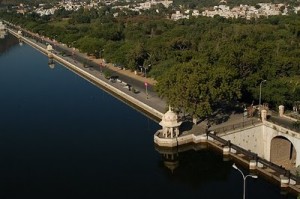
Udaisagar Lake, a charming lake on the Berach River, was completed its construction in 1565 duruing the period of Maharana Udai Singh II. The lake covers a wide area of 10.5 sq. km and is being used for agricultural purposes. The lake has sufficient water inflow and maintains required water level for the use of Udaipur Region.
The dam sight is highly impressive and the panoramic view of Aravalli peaks is exciting. The lake is very calm and evenings are very pleasant. Inflow of visitors to this place is commendable, to enjoy the natural beauty and century old constructions.

Udaysagar lake

Udaisagar lake

HistoryEdit

Udai Sagar Lake is another striking lake that falls under the category of five lakes of Udaipur. Udaisagar Lake is located at a distance of about 13 kms in the east of Udaipur. The construction of this lake was started in 1559 by Maharana Udai Singh and got completed in 1565. Udai Sagar Lake extends to 4 km in length 2.5 km in width and deep to the extent of 9 meters at the maximum. Actually, Udai Sagar Lake was the result of a dam that took its start in 1559.Maharana Udai Singh constructed this dam on Berach River, to ensure adequate supply of water in his kingdom. Dam at Udaisagar Lake drains about 479 sq km of the country and covers an area of 10.5 sq kms. It has a storage capacity of 23.4 milli cubic meter. To manage the overflowing lake during rainy season, one channel has been made connecting to Berach River. Today, the water of this lake is used in the zinc smelter close to Debari. The lake usually has plenty of water with the exception of lean years. In 1573, Maharana Pratap Singh was invited by Kunwar Man Singh on the banks of Udai Sagar Lake to talk about the surrendering terms and conditions to Akbar (Mughal Emperor). The invitation was declined by Pratap Singh and he even insulted Man Singh. This incident led to the Battle of Haldighati in 1576. Later, Maharana Raj Singh conquered the army of Emperor Aurangzeb near the embankment of Udai Sagar Lake. People visit this lake to enjoy the serene waters of this lake.

Must SeeEdit

Attraction

Visiting TimeEdit

9:00 A.M to 6:00 P.M

Closed OnEdit

N.A.

Best Season to VisitEdit

October to March

Best Time To VisitEdit

Morning,afternoon & Evening

Time Required for SightseeingEdit

3:0 hrs To 4:0 hrs

Ticket Required :  No Edit

Individual National Adult Rs. : N.A.

Kids Rs. : N.A.

Individual Foreigner Adult Rs. : N.A.

Kids Rs. : N.A.

Still Photo Camera Rs. : N.A.

Video Camera Rs. : N.A.

Guide Required : No Edit

Approximate cost: N.A.

Dress Code (If Any) : No Edit

Dress Require: N.A.

Restaurants NearbyAdd / Edit

  • N.A. ;  N.A. ; Ph/M –  N.A. ; Food Serve –  N.A.

How to ReachEdit

Taxi : Udaisagar Lake, Udaipur can be accessed by Taxi All the places are well connected by road.

BUS : Frequent Rajasthan State Road Transport Corporation (RSRTC) buses travel from the main bus stand near the Udaipol gate to other Rajasthani cities, as well as Delhi, Agra and Ahmedabad.Private buses, mostly leaving from Station Rd a little south of the main bus stand, operate to destinations including Kota (seat/sleeper Rs.150/200, seven hours), Bundi (Rs.160/220, seven hours), Jaipur (Rs.180/280, seven to eight hours), Jodhpur (Rs.180/250, fi ve to eight hours), Agra (Rs.300/400, 13 hours), Delhi (Rs.450/800, 12 hours), Ahmedabad (Rs.160/260, fi ve hours), Mumbai (Rs.400/600, 15 hours) and Mt Abu (seat Rs.150, four hours). AC buses costing around 50% more are available to Jaipur, Delhi, Ahmedabad and Mumbai; Mumbai even has some Volvo AC services (seat/sleeper around Rs.1200/1500). You can get tickets from plenty of travel agencies, hotels and guesthouses, though you may fi nd commission charges are lower at the ticket offi ces near the departure area.

Train : 0

Air : 0

Others : 0

Things to CarryEdit

Drinking water, Sun Glasses, Camera, Ware light cloths, apply sunscreem

Safety / WarningEdit

During summers, keep your sunglasses handy. Winter evenings may get a little chilly so carry some light jackets or drapes.

HelplineEdit

Fire 101
Police 100
Ambulance 108
Childline no. 1098
Railways Enquiry-131, 157

Gallery


View All Sight of Udaipur... Click Here

Sajjangarh Palace 
Fateh Sagar Lake
City Palace Museum

Raj Angan Gol Mahal

India /Rajasthan /Udaipur /Udaipur

Sight Address : Raj Angan (Gol Mahal),Located inside the City Palace complex Udaipur, Rajasthan Edit

Detail InformationEdit

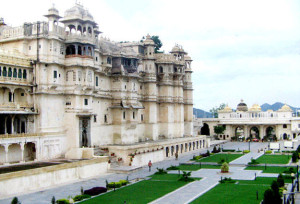
Raj Angan Gol Mahal, also known as Gol Mahal, is considered as Annex to the city palace. It is considered as King’s Courtyard aptly placed in the direction of Badi Chowk at the entrance to the City Palace. Raj Angan, built by Maharana Udai Singh in 1572, was the Rajya Angan (lawn) where King’s proceedings regarding justice was carried out.

Raj Angan (Gol Mahal)

Raj Angan (Gol Mahal)

HistoryEdit

Raj Angan, also known as Gol Mahal, is considered as Annex to the city palace. It is considered as King’s Courtyard aptly placed in the direction of Badi Chowk at the entrance to the City Palace. Raj Angan, built by Maharana Udai Singh in 1572, was the Rajya Angan (lawn) where King’s proceedings regarding justice was carried out. Raj Angan is blesses with many portraits of erstwhile Mewar rulers. Many memorabilia of Maharana PRATAP SINGH I, paintings, personal weapons of Mewar kings and armours are displayed in one part of this Angan. A portion of this display is dedicated to Chetak, the favorite horse of King Pratap.

Must SeeEdit

Popular

Visiting TimeEdit

10 am to 8 pm

Closed OnEdit

N.A.

Best Season to VisitEdit

October to Feb

Best Time To VisitEdit

Morning,afternoon & Evening

Time Required for SightseeingEdit

N.A.

Ticket Required : Yes Edit

Individual National Adult Rs. : Rs 300

Kids Rs. : Rs 150

Individual Foreigner Adult Rs. : N.A.

Kids Rs. : N.A.

Still Photo Camera Rs. : N.A.

Video Camera Rs. : N.A.

Guide Required : No Edit

Approximate cost: N.A.

Dress Code (If Any) : No Edit

Dress Require: N.A.

Restaurants NearbyAdd / Edit

  • Ashish Palace ;  125, Chetak Cir, Udaipur, Rajasthan ; Ph/M –  0294 252 5558 ; Food Serve –  N.A.

How to ReachEdit

Taxi : Raj Angan (Gol Mahal), Udaipur can be accessed by Taxi All the places are well connected by road.

BUS : Frequent Rajasthan State Road Transport Corporation (RSRTC) buses travel from the main bus stand near the Udaipol gate to other Rajasthani cities, as well as Delhi, Agra and Ahmedabad.Private buses, mostly leaving from Station Rd a little south of the main bus stand, operate to destinations including Kota (seat/sleeper Rs.150/200, seven hours), Bundi (Rs.160/220, seven hours), Jaipur (Rs.180/280, seven to eight hours), Jodhpur (Rs.180/250, fi ve to eight hours), Agra (Rs.300/400, 13 hours), Delhi (Rs.450/800, 12 hours), Ahmedabad (Rs.160/260, fi ve hours), Mumbai (Rs.400/600, 15 hours) and Mt Abu (seat Rs.150, four hours). AC buses costing around 50% more are available to Jaipur, Delhi, Ahmedabad and Mumbai; Mumbai even has some Volvo AC services (seat/sleeper around Rs.1200/1500). You can get tickets from plenty of travel agencies, hotels and guesthouses, though you may fi nd commission charges are lower at the ticket offi ces near the departure area.

Train : Direct trains from Delhi, Jaipur, Ajmer, Chittaur, Jodhpur and Ahmedabad are available and the Railway Station is about 4 Km from the city center. The normal fare from anywhere in town is around Rs.50-100. For Reservation and Enquiry at the Railway Station, Contact Tel.: 131, 527390, 483979.

Air : Maharana Pratap Airport Udaipur is located at Dabok, 22 km away from the heart of Udaipur city. Many domestic airlines connect the city to most of the major cities in India including Kolkata, Jaipur, Delhi and Mumbai. Regular flight services are available from Udaipur to Delhi and Mumbai. Taxi services are offered at a rate of Rs 400 from airport to Udaipur city and reachable by Taxi in 35-45 minutes. International travelers can get connecting flights from Delhi International Airport, which is at a distance of 670 km.
Indian airlines office, Delhi gate- Ph 410999
Jet Airways – 2561105
Kingfi sher Airlines – 1800 2093030

Others : Most of the sightseeing places in Udaipur are centered on Lake Pichola and can be visited by foot. However, to reach the Arrraction hiring a three-wheeler is the best option– the normal fare anywhere in town is around Rs.30. Auto rickshaws (three-wheelers) and Tongas (horse-carts) are easily available as they are the cheapest mode of transport available within the tourist areas and throughout the city. Bicycles are also available on hire all over the city costing around Rs.50 per day.

Things to CarryEdit

Drinking water, Sun Glasses, Camera, Ware light cloths, apply sunscreem

Safety / WarningEdit

During summers, keep your sunglasses handy. Winter evenings may get a little chilly so carry some light jackets or drapes.

HelplineEdit

Fire 101
Police 100
Ambulance 108
Childline no. 1098
Railways Enquiry-131, 156

Gallery

View All Sight of Udaipur... Click Here

Sajjangarh Palace 
Fateh Sagar Lake
City Palace Museum

Crystal Gallery

India /Rajasthan /Udaipur /Udaipur

Sight Address : Crystal Gallery,Set up inside the Fateh Prakash Palace Udaipur, Rajasthan Edit

Detail InformationEdit

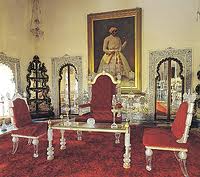
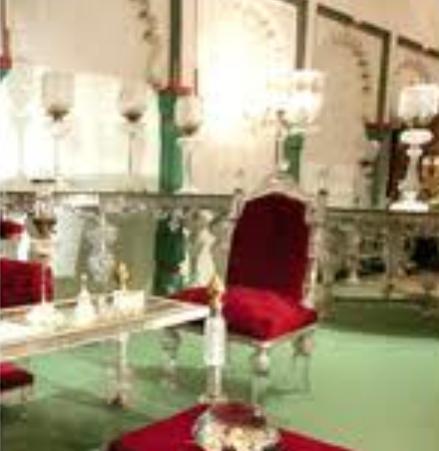
Crystal Gallery, located in Fateh Prakash Palace in the heart of Udaipur, is established by by Maharana Sajjan Singhji of erstwhile Rajput Kingdom. Crystal Gallery displays some of the beautiful precious crystal items brought from various parts

Crystal Gallery

Crystal Gallery

HistoryEdit

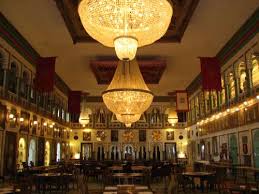
Crystal Gallery has been hailed as probably the single largest private collection of crystal anywhere in the world. The visitors here are privy to one of the most exclusive and exquisite crystal collections. It was in 1877 that Maharana Sajjan Singh (period of reign: 1874-1884) ordered the crystal collection from the Birmingham-based F&C Osler company. The collection includes a bewildering number of objects d’art, dinner sets, perfume bottles, decanters, glasses, washing bowls and even furniture. The Crystal Gallery also houses the only crystal bed in the world! The collection has been customised for the House of Mewar; the Crest of Mewar being delicately etched on the crystal, adding yet another amazing facet.The Durbar Hall Sabhagaar, which adorns the Fateh Prakash Palace, is of historical significance. In 1909, Lord Minto the Viceroy of India, laid its foundation stone and, in his honour, the hall was originally called Minto Hall. Today its opulent interiors – with huge chandeliers and special lights, portraits of the Maharanas of Mewar, royal artifacts and the legendary armory of the Mewar dynasty – transport you to times past when the Maharanas held forth in The Durbar Hall Sabhagaar.

Must SeeEdit

popular

Visiting TimeEdit

9am to 6.30pm

Closed OnEdit

Public holidays

Best Season to VisitEdit

September to March

Best Time To VisitEdit

Morning,afternoon & Evening

Time Required for SightseeingEdit

N.A.

Ticket Required : Yes Edit

Individual National Adult Rs. : Rs.550

Kids Rs. : Rs.300

Individual Foreigner Adult Rs. : Rs.550

Kids Rs. : Rs.300

Still Photo Camera Rs. : N.A.

Video Camera Rs. : N.A.

Guide Required : No Edit

Approximate cost: N.A.

Dress Code (If Any) : No Edit

Dress Require: N.A.

Restaurants NearbyAdd / Edit

  • Anjani Hotel ;  77, Gangaur Ghat Marg, Udaipur, Rajasthan 313001 ; Ph/M –  0294 242 1770 ; Food Serve –  N.A.

How to ReachEdit

Taxi : Crystal Gallery, Udaipur can be accessed by Taxi All the places are well connected by road.

BUS : Frequent Rajasthan State Road Transport Corporation (RSRTC) buses travel from the main bus stand near the Udaipol gate to other Rajasthani cities, as well as Delhi, Agra and Ahmedabad.Private buses, mostly leaving from Station Rd a little south of the main bus stand, operate to destinations including Kota (seat/sleeper Rs.150/200, seven hours), Bundi (Rs.160/220, seven hours), Jaipur (Rs.180/280, seven to eight hours), Jodhpur (Rs.180/250, fi ve to eight hours), Agra (Rs.300/400, 13 hours), Delhi (Rs.450/800, 12 hours), Ahmedabad (Rs.160/260, fi ve hours), Mumbai (Rs.400/600, 15 hours) and Mt Abu (seat Rs.150, four hours). AC buses costing around 50% more are available to Jaipur, Delhi, Ahmedabad and Mumbai; Mumbai even has some Volvo AC services (seat/sleeper around Rs.1200/1500). You can get tickets from plenty of travel agencies, hotels and guesthouses, though you may fi nd commission charges are lower at the ticket offi ces near the departure area.

Train : Direct trains from Delhi, Jaipur, Ajmer, Chittaur, Jodhpur and Ahmedabad are available and the Railway Station is about 4 Km from the city center. The normal fare from anywhere in town is around Rs.50-100. For Reservation and Enquiry at the Railway Station, Contact Tel.: 131, 527390, 483979.

Air : Maharana Pratap Airport Udaipur is located at Dabok, 22 km away from the heart of Udaipur city. Many domestic airlines connect the city to most of the major cities in India including Kolkata, Jaipur, Delhi and Mumbai. Regular flight services are available from Udaipur to Delhi and Mumbai. Taxi services are offered at a rate of Rs 400 from airport to Udaipur city and reachable by Taxi in 35-45 minutes. International travelers can get connecting flights from Delhi International Airport, which is at a distance of 670 km.
Indian airlines office, Delhi gate- Ph 410999
Jet Airways – 2561105
Kingfi sher Airlines – 1800 2093030

Others : Most of the sightseeing places in Udaipur are centered on Lake Pichola and can be visited by foot. However, to reach the Arrraction hiring a three-wheeler is the best option– the normal fare anywhere in town is around Rs.30. Auto rickshaws (three-wheelers) and Tongas (horse-carts) are easily available as they are the cheapest mode of transport available within the tourist areas and throughout the city. Bicycles are also available on hire all over the city costing around Rs.50 per day.

Things to CarryEdit

Drinking water, Sun Glasses, Camera, Ware light cloths, apply sunscreem

Safety / WarningEdit

During summers, keep your sunglasses handy. Winter evenings may get a little chilly so carry some light jackets or drapes.

HelplineEdit

Fire 101
Police 100
Ambulance 108
Childline no. 1098
Railways Enquiry-131, 155

Gallery


Bharatiya Lok Kala Udaipur Folk Museum

India /Rajasthan /Udaipur /Udaipur
Sight Address : Bharatiya Lok Kala (Udaipur Folk Museum),Placed to the north of Chetak Circle in the city of Udaipur Udaipur, Rajasthan Edit

Detail InformationEdit

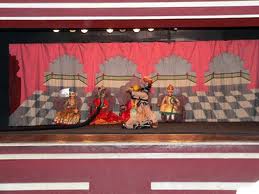
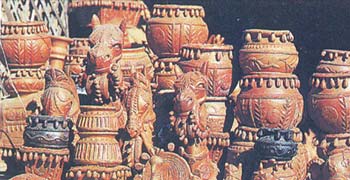
Bharatiya Lok Kala Udaipur Folk Museum is located in the Chetak circle in Udaipur. It is a very popular museum that exhibits the brilliant collection of folk articles of Rajasthan. This collection ranges from typical rural-dresses, ornaments, puppets, masks, dolls, folk musical instruments, folk deities and paintings. Bharatiya Lok Kala Museum was started as an initiative to preserve and cherish the local arts and culture. At the entrance of the Museum the big hall displays the theatre objects. The next hall is a collection of tribal folk musical instruments and ornaments. Following this hall, you would reach to a puppet theater. You can actually watch a puppet show that occurs at regular intervals. On the opposite side of this theater, there are designs of henna handprints, decorated cow dung floors and terra-cotta ‘devras’ (small shrines).

Bharatiya Lok Kala

Bharatiya Lok Kala

HistoryEdit

Bharatiya Lok Kala Mandal is a cultural institution based in Udaipur in Rajasthan state in India engaged in studying folk art, culture, songs and festivals of Rajasthan, Gujarat and Madhya Pradesh and to popularise and propagate folk arts, folk dances and folk literature. It was set up in 1952 by Devilal Samar. The institution has a museum that exhibits collection of folk articles from Rajasthan like rural-dresses, ornaments, puppets, masks, dolls, folk musical instruments, folk deities and paintings. There is puppet theater (Kathputli) too where puppet shows are held at regular interval.The museum portrays the remarkable collection of over past 44 years, gathered by the Bhartiya Lok Kala Mandal. To provide a summarized idea of the folk heritage of India, traditional attires, ornaments, miniature paintings and many other art objects are displayed here. Bhartiya Lok Kala Museum of Udaipur definitely requires a visit to closely observe the artistic and culturally rich region of Rajasthan.

Must SeeEdit

Popular

Visiting TimeEdit

9:00 A.M to 6:00 P.M

Closed OnEdit

Monday

Best Season to VisitEdit

August to March

Best Time To VisitEdit

Morning,afternoon & Evening

Time Required for Sightseeing This entry was posted in Destination on by .

Vintage Car Museum

India /Rajasthan /Udaipur /Udaipur

Sight Address : Vintage car museum near Udaipur, Rajasthan Edit

Detail InformationEdit

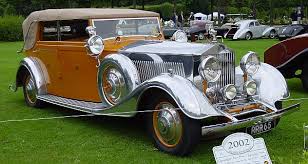
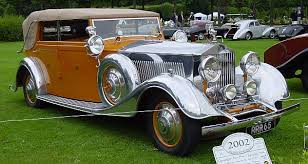
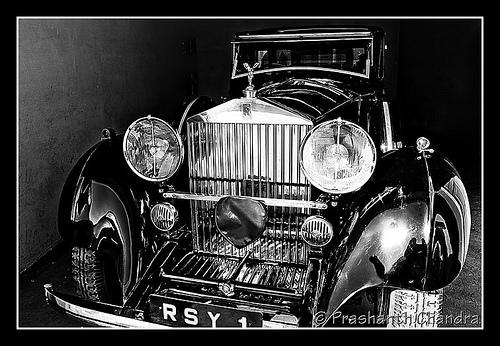
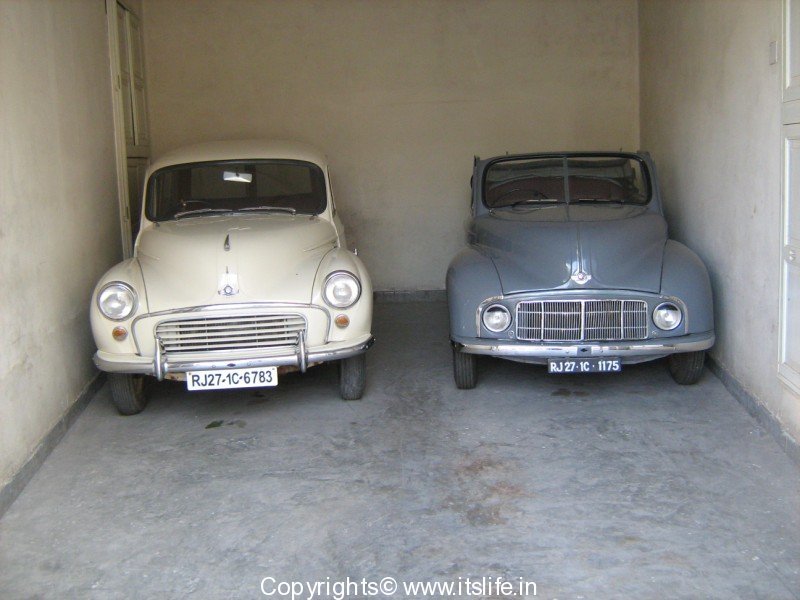
Classic Car Museum, the Vintage Collection of cars is housed in the Garden Hotel which is at a distance of 2 km from the City Palace of Udaipur. The garages here display around twenty four vehicles. The collection of automobiles comprises of classic and interestingly rare transportation vehicles. The grand limousines and cars showcased in the collection belong to the House of Mewar and are still in perfect running condition. Visitors are privy to the display of the magnificent Rolls-Royce, 1939 Cadillac open convertibles, rare Mercedes models, 1936 Vauxhall and 1937 Opel models. The Collection has been curate for the benefit of vintage car-lovers from India and all over the world; it is probably the only collection of its kind in India about which the global and Indian press has written reams.

Vintage Car Museum

Vintage Car Museum

HistoryEdit

The Vintage & Classic Car Collection is a landmark in the city of Udaipur ever since it was inaugurated in February 2000. The grand limousines and cars showcased in the Collection belong to the House of Mewar and are still in perfect running condition. Visitors are privy to the display of the magnificent Rolls-Royce, 1939 Cadillac open convertibles, rare Mercedes models, 1936 Vauxhall and 1937 Opel models. The Collection has been curated for the benefit of vintage car-lovers from India and all over the world; it is probably the only collection of its kind in India about which the global and indian press has written reams. Awe-struck visitors to the Collection are narrated innumerable stories and anecdotes about the Maharanas of Mewar and their preferred Rolls-Royce or Mercedes customised at their request.The maharajas’ Vintage & Classic Car Collection is fascinating for car buffs, with 22 splendid vehicles, including a 1938 Cadillac with modifications for purdah and the beautiful 1934 Rolls Royce Phantom used in Octopussy.

Must SeeEdit

Popular

Visiting TimeEdit

9.30 am to 5.30 pm

Closed OnEdit

N.A.

Best Season to VisitEdit

October to March

Best Time To VisitEdit

Morning,afternoon

Time Required for SightseeingEdit

45 minutes to 2:0 hrs

Ticket Required : Yes Edit

Individual National Adult Rs. : Rs 80

Kids Rs. : N.A.

Individual Foreigner Adult Rs. : N.A.

Kids Rs. : N.A.

Still Photo Camera Rs. : N.A.

Video Camera Rs. : N.A.

Guide Required : No Edit

Approximate cost: N.A.

Dress Code (If Any) : No Edit

Dress Require: N.A.

Restaurants NearbyAdd / Edit

  • Shikarbadi Hotel ;  Goverdhan Villas Udaipur, Rajasthan 313002 ; Ph/M –  0294 258 3201 ; Food Serve –  N.A.

How to ReachEdit

Taxi : Vintage Car Museum, Udaipur can be accessed by Taxi All the places are well connected by road.

BUS : Frequent Rajasthan State Road Transport Corporation (RSRTC) buses travel from the main bus stand near the Udaipol gate to other Rajasthani cities, as well as Delhi, Agra and Ahmedabad.Private buses, mostly leaving from Station Rd a little south of the main bus stand, operate to destinations including Kota (seat/sleeper Rs.150/200, seven hours), Bundi (Rs.160/220, seven hours), Jaipur (Rs.180/280, seven to eight hours), Jodhpur (Rs.180/250, fi ve to eight hours), Agra (Rs.300/400, 13 hours), Delhi (Rs.450/800, 12 hours), Ahmedabad (Rs.160/260, fi ve hours), Mumbai (Rs.400/600, 15 hours) and Mt Abu (seat Rs.150, four hours). AC buses costing around 50% more are available to Jaipur, Delhi, Ahmedabad and Mumbai; Mumbai even has some Volvo AC services (seat/sleeper around Rs.1200/1500). You can get tickets from plenty of travel agencies, hotels and guesthouses, though you may fi nd commission charges are lower at the ticket offi ces near the departure area.

Train : Direct trains from Delhi, Jaipur, Ajmer, Chittaur, Jodhpur and Ahmedabad are available and the Railway Station is about 4 Km from the city center. The normal fare from anywhere in town is around Rs.50-100. For Reservation and Enquiry at the Railway Station, Contact Tel.: 131, 527390, 483979.

Air : Maharana Pratap Airport Udaipur is located at Dabok, 22 km away from the heart of Udaipur city. Many domestic airlines connect the city to most of the major cities in India including Kolkata, Jaipur, Delhi and Mumbai. Regular flight services are available from Udaipur to Delhi and Mumbai. Taxi services are offered at a rate of Rs 400 from airport to Udaipur city and reachable by Taxi in 35-45 minutes. International travelers can get connecting flights from Delhi International Airport, which is at a distance of 670 km.
Indian airlines office, Delhi gate- Ph 410999
Jet Airways – 2561105
Kingfi sher Airlines – 1800 2093030

Others : Most of the sightseeing places in Udaipur are centered on Lake Pichola and can be visited by foot. However, to reach the Arrraction hiring a three-wheeler is the best option– the normal fare anywhere in town is around Rs.30. Auto rickshaws (three-wheelers) and Tongas (horse-carts) are easily available as they are the cheapest mode of transport available within the tourist areas and throughout the city. Bicycles are also available on hire all over the city costing around Rs.50 per day.

Things to CarryEdit

Drinking water, Sun Glasses, Camera, Ware light cloths, apply sunscreem

Safety / WarningEdit

During summers, keep your sunglasses handy. Winter evenings may get a little chilly so carry some light jackets or drapes.

HelplineEdit

Fire 101
Police 100
Ambulance 108
Childline no. 1098
Railways Enquiry-131, 153

Gallery


Sukhadia Circle

India /Rajasthan /Udaipur /Udaipur
Sight Address : Sukhadia Cir, Panchwati, Udaipur, Rajasthan Edit

Detail InformationEdit

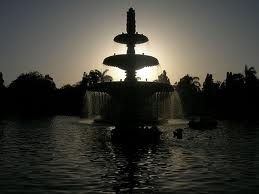
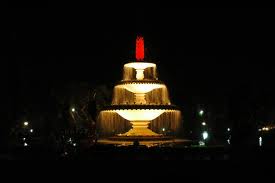
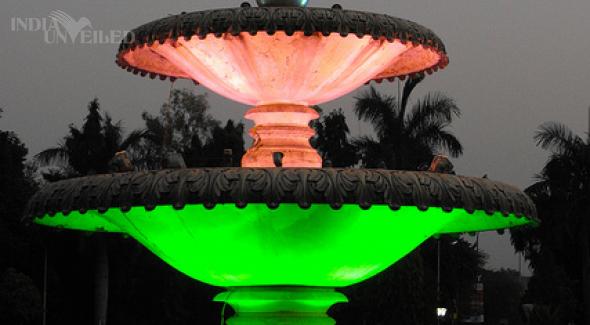
Sukhadia Circle, also known as Sukhadia square, is a majestic turn around in Panchwati, the Udaipur city’s northern suburb. It is a popular landmark in Udaipur and provides a beautiful view with the illumination of lights. This square, opened in 1970, has a magnificent three tiered fountain in the center and a structure representing the prosperity. This place is used as a evening relaxation place with beautiful gardens and a nice pond. This square attracts many, especially children. Children make funs in the lawns and float toy boats in the pond. There are some duck shaped paddle boats and toy trains for children’s amusement.

Sukhadia Circle

Sukhadia Circle

HistoryEdit

Sukhadia Circle, also known as Sukhadia square, is a majestic turn around in Panchwati, the Udaipur city’s northern suburb. It is a popular landmark in Udaipur and provides a beautiful view with the illumination of lights.This square, opened in 1970, has a magnificent three tiered fountain in the center and a structure representing the prosperity. This place is used as a evening relaxation place with beautiful gardens and a nice pond.This square attracts many, especially children. Children make funs in the lawns and float toy boats in the pond. There are some duck shaped paddle boats and toy trains for children’s amusement.

Must SeeEdit

Attraction

Visiting TimeEdit

10:00 A.M to 9:00 P.M

Closed OnEdit

N.A.

Best Season to VisitEdit

October to March

Best Time To VisitEdit

Morning,afternoon & Evening

Time Required for SightseeingEdit

1 or 2 hrs

Ticket Required :  No Edit

Individual National Adult Rs. : N.A.

Kids Rs. : N.A.

Individual Foreigner Adult Rs. : N.A.

Kids Rs. : N.A.

Still Photo Camera Rs. : N.A.

Video Camera Rs. : N.A.

Guide Required : No Edit

Approximate cost: N.A.

Dress Code (If Any) : No Edit

Dress Require: N.A.

Restaurants NearbyAdd / Edit

  • Zeal Restaurant ;  47, Panchwati Near Axis Bank Udaipur, Rajasthan 313001 ; Ph/M –  099 82 246661 ; Food Serve –  N.A.

How to ReachEdit

Taxi : Sukhadia Circle, Udaipur can be accessed by Taxi All the places are well connected by road.

BUS : Frequent Rajasthan State Road Transport Corporation (RSRTC) buses travel from the main bus stand near the Udaipol gate to other Rajasthani cities, as well as Delhi, Agra and Ahmedabad.Private buses, mostly leaving from Station Rd a little south of the main bus stand, operate to destinations including Kota (seat/sleeper Rs.150/200, seven hours), Bundi (Rs.160/220, seven hours), Jaipur (Rs.180/280, seven to eight hours), Jodhpur (Rs.180/250, fi ve to eight hours), Agra (Rs.300/400, 13 hours), Delhi (Rs.450/800, 12 hours), Ahmedabad (Rs.160/260, fi ve hours), Mumbai (Rs.400/600, 15 hours) and Mt Abu (seat Rs.150, four hours). AC buses costing around 50% more are available to Jaipur, Delhi, Ahmedabad and Mumbai; Mumbai even has some Volvo AC services (seat/sleeper around Rs.1200/1500). You can get tickets from plenty of travel agencies, hotels and guesthouses, though you may fi nd commission charges are lower at the ticket offi ces near the departure area.

Train : Direct trains from Delhi, Jaipur, Ajmer, Chittaur, Jodhpur and Ahmedabad are available and the Railway Station is about 4 Km from the city center. The normal fare from anywhere in town is around Rs.50-100. For Reservation and Enquiry at the Railway Station, Contact Tel.: 131, 527390, 483979.

Air : Maharana Pratap Airport Udaipur is located at Dabok, 22 km away from the heart of Udaipur city. Many domestic airlines connect the city to most of the major cities in India including Kolkata, Jaipur, Delhi and Mumbai. Regular flight services are available from Udaipur to Delhi and Mumbai. Taxi services are offered at a rate of Rs 400 from airport to Udaipur city and reachable by Taxi in 35-45 minutes. International travelers can get connecting flights from Delhi International Airport, which is at a distance of 670 km.
Indian airlines office, Delhi gate- Ph 410999
Jet Airways – 2561105
Kingfi sher Airlines – 1800 2093030

Others : Most of the sightseeing places in Udaipur are centered on Lake Pichola and can be visited by foot. However, to reach the Arrraction hiring a three-wheeler is the best option– the normal fare anywhere in town is around Rs.30. Auto rickshaws (three-wheelers) and Tongas (horse-carts) are easily available as they are the cheapest mode of transport available within the tourist areas and throughout the city. Bicycles are also available on hire all over the city costing around Rs.50 per day.

Things to CarryEdit

Drinking water, Sun Glasses, Camera, Ware light cloths, apply sunscreem

Safety / WarningEdit

You will be under the open sky, so choose to visit on an overcast day. You can walk barefoot on the grass or enjoy a boat ride. Or make a trip in the evening after sundown when the place is beautifully lit.

HelplineEdit

Fire 101
Police 100
Ambulance 108
Childline no. 1098
Railways Enquiry-131, 152

Gallery


Shilp Gram

India /Rajasthan /Udaipur /Udaipur
Sight Address : Shilpgram Village, Nr. Fateh Sagar Road, Rani Road Edit

Detail InformationEdit

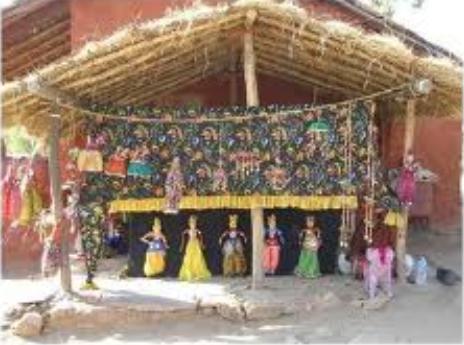
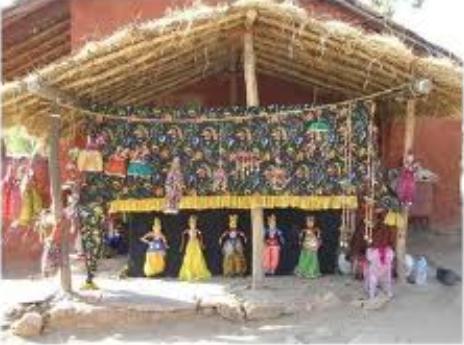
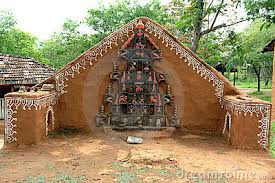
Shilpgram Village means a “Craftsmen s Village”. Shilpgram is located at the foot of the Aravalli Hills spreading across seventy acres of land. This Rural Arts and Crafts Complex is located to the west of Udaipur close to Havala village. This is an initiative to promote the rural and tribal craftsmen by providing a platform to exhibit and sell their products. This is a live forum depicting the lifestyles of the folk and tribal people of the west. Huts of the five member states are constructed in the complex incorporating the respective traditional architecture and culture. Each member state of the West Zone has huts depicting certain basic occupations fundamental to the way of life of the people of the area.

Shilp Gram

Shilp Gram

HistoryEdit

There is also a rich history associated to Shilpgram Museum Udaipur. Shilpgram always had this trend of displaying various art works. A large number of craftsmen used to come to the place in order to display their work. Hence, it is quiet inevitable that a museum in that place will display such items and will manage to attract the attention of a large number of tourists.The state Govt of Rajasthan established the Shilpgram to encourage the local artisans to display their works of art. This became a popular destination to the artists as well as the patrons of art and tourists for the wide variety of artifacts displayed.The fair was conceived in the mind with an idea to encourage the cottage industry of Rajasthan. Being a desert land, Rajasthan is deprived of grown agriculture and tourism has been the main source of its income. Keeping this money-making part aside, Rajasthan Government wants to make this rustic art famous on a global level. Through this fair, the local artists get a stage to show their creations not just in front of domestic but the international tourists as well.

Must SeeEdit

Attraction

Visiting TimeEdit

11 am to 7 pm

Closed OnEdit

N.A.

Best Season to VisitEdit

November to March

Best Time To VisitEdit

Morning,afternoon & Evening

Time Required for SightseeingEdit

3:0 hrs To 4:0 hrs

Ticket Required : Yes Edit

Individual National Adult Rs. : Rs.25

Kids Rs. : Rs. 7

Individual Foreigner Adult Rs. : Rs 25

Kids Rs. : Rs 7

Still Photo Camera Rs. : N.A.

Video Camera Rs. : N.A.

Guide Required : No Edit

Approximate cost: N.A.

Dress Code (If Any) : No Edit

Dress Require: N.A.

Restaurants NearbyAdd / Edit

  • Devra Udaipur ;  Sisarma-Bujra Road | Kalarohi, Udaipur 313001, India ; Ph/M –  099 82 242236 ; Food Serve –  N.A.

How to ReachEdit

Taxi : Shilp Gram, Udaipur can be accessed by Taxi All the places are well connected by road.

BUS : Frequent Rajasthan State Road Transport Corporation (RSRTC) buses travel from the main bus stand near the Udaipol gate to other Rajasthani cities, as well as Delhi, Agra and Ahmedabad.Private buses, mostly leaving from Station Rd a little south of the main bus stand, operate to destinations including Kota (seat/sleeper Rs.150/200, seven hours), Bundi (Rs.160/220, seven hours), Jaipur (Rs.180/280, seven to eight hours), Jodhpur (Rs.180/250, fi ve to eight hours), Agra (Rs.300/400, 13 hours), Delhi (Rs.450/800, 12 hours), Ahmedabad (Rs.160/260, fi ve hours), Mumbai (Rs.400/600, 15 hours) and Mt Abu (seat Rs.150, four hours). AC buses costing around 50% more are available to Jaipur, Delhi, Ahmedabad and Mumbai; Mumbai even has some Volvo AC services (seat/sleeper around Rs.1200/1500). You can get tickets from plenty of travel agencies, hotels and guesthouses, though you may fi nd commission charges are lower at the ticket offi ces near the departure area.

Train : Direct trains from Delhi, Jaipur, Ajmer, Chittaur, Jodhpur and Ahmedabad are available and the Railway Station is about 4 Km from the city center. The normal fare from anywhere in town is around Rs.50-100. For Reservation and Enquiry at the Railway Station, Contact Tel.: 131, 527390, 483979.

Air : Maharana Pratap Airport Udaipur is located at Dabok, 22 km away from the heart of Udaipur city. Many domestic airlines connect the city to most of the major cities in India including Kolkata, Jaipur, Delhi and Mumbai. Regular flight services are available from Udaipur to Delhi and Mumbai. Taxi services are offered at a rate of Rs 400 from airport to Udaipur city and reachable by Taxi in 35-45 minutes. International travelers can get connecting flights from Delhi International Airport, which is at a distance of 670 km.
Indian airlines office, Delhi gate- Ph 410999
Jet Airways – 2561105
Kingfi sher Airlines – 1800 2093030

Others : Most of the sightseeing places in Udaipur are centered on Lake Pichola and can be visited by foot. However, to reach the Arrraction hiring a three-wheeler is the best option– the normal fare anywhere in town is around Rs.30. Auto rickshaws (three-wheelers) and Tongas (horse-carts) are easily available as they are the cheapest mode of transport available within the tourist areas and throughout the city. Bicycles are also available on hire all over the city costing around Rs.50 per day.

Things to CarryEdit

Drinking water, Sun Glasses, Camera, Ware light cloths, apply sunscreem

Safety / WarningEdit

During summers, keep your sunglasses handy. Winter evenings may get a little chilly so carry some light jackets or drapes.

HelplineEdit

Fire 101
Police 100
Ambulance 108
Childline no. 1098
Railways Enquiry-131, 151

Gallery


Saheliyon-ki-Bari

India /Rajasthan /Udaipur /Udaipur

Sight Address : saheliyon-ki-bari near Udaipur, Rajasthan Edit

Detail InformationEdit

Saheliyon-ki-Beri is a majestic garden located in one of the shores of Fateh Sagar Lake. It is believed that this garden was built for 48 young beautiful girls who were given to royal house as part of the dowry for a princess. The garden with a background of wooded hilly terrains has expensive lawns, shady cool walking lanes and imposing fountains. There are four ponds with exquisite fountains with spouts as elephant trunk shaped and kiosks. The appearance of the Garden is royal and is a best place to relax.

Saheliyon-ki-Bari

Saheliyon-ki-Bari

HistoryEdit

Sahelion Ki Bari’ was laid for a group of forty-eight young women attendants who accompanied a princess to Udaipur as part of her dowry. The gardens set below the embankment of the Fateh Sagar Lake have beautiful lotus pools, marble pavilions and elephant- shaped fountains. These fountains are fed by the water of the lake gushing through ducts made for the purpose. Each water channel has its distinct sound and the mingling of these sounds complement the ambience of the place Near to saheliyon-ki-bari is burhani nagar and burhani masjid,vidhiya bhawan school and seva mandir marg.Saheliyon Ki Bari is one the most beautiful gardens and a major tourist destination in Udaipur. The garden is famous for its lush green lawns, marble art and fountains. English translation of Saheliyon Ki Bari means “Garden of maids”. This renowned garden is located on the banks of Fateh Sagar Lake, presenting a green retreat in the dry lands of Rajasthan. Garden of maids was built in the 18th century by Maharana Sangram Singh for the royal ladies.As per the legends, the garden was designed by the king himself and he presented this garden to his queen. Actually, the Queen was accompanied by 48 maids in her marriage. To offer all of them, pleasurable moments away from the political intrigues of the court, this garden was made. This patterned garden used to be the popular relaxing spot of the royal ladies. The queen with her maids and female companions used to come here for a stroll and spend their time in leisure.Due to this fact, the garden got its name. The superb architecture of the garden provides a breath-taking view to any observer. The garden is embellished with numerous fountains in its four water pools, chiseled kiosks and marble elephants. It is also celebrated for its lotus pool and bird-fountains. The lush green lawns, flowerbeds, and marble pavilions further enhance the romantic ambience of this magnificent garden.In the later years, Maharana Bhopal Singh really liked this place and built a pavilion of rain fountains. The thought was to form an illusion of rain dancing in cadence with dancing maids. The Kings used to enjoy around the pools and fountains of this garden. These fountains were imported from England and you can trace them along with the main reservoir of the garden.

Must SeeEdit

Popular

Visiting TimeEdit

8 am to 6.30 pm

Closed OnEdit

N.A.

Best Season to VisitEdit

October to March

Best Time To VisitEdit

Morning,afternoon & Evening

Time Required for SightseeingEdit

N.A.

Ticket Required : Yes Edit

Individual National Adult Rs. : Rs.5

Kids Rs. : N.A.

Individual Foreigner Adult Rs. : Rs.5

Kids Rs. : N.A.

Still Photo Camera Rs. : Rs.40

Video Camera Rs. : Rs 100

Guide Required : No Edit

Approximate cost: N.A.

Dress Code (If Any) : No Edit

Dress Require: N.A.

Restaurants NearbyAdd / Edit

  • Sheraton Udaipur Palace ;  Near Fateh Sagar Lake, Ambanmata, Udaipur, Rajasthan 313001 ; Ph/M –  0294 305 0000 ; Food Serve –  N.A.

How to ReachEdit

Taxi : Saheliyon-ki-Bari, Udaipur can be accessed by Taxi All the places are well connected by road.

BUS : Frequent Rajasthan State Road Transport Corporation (RSRTC) buses travel from the main bus stand near the Udaipol gate to other Rajasthani cities, as well as Delhi, Agra and Ahmedabad.Private buses, mostly leaving from Station Rd a little south of the main bus stand, operate to destinations including Kota (seat/sleeper Rs.150/200, seven hours), Bundi (Rs.160/220, seven hours), Jaipur (Rs.180/280, seven to eight hours), Jodhpur (Rs.180/250, fi ve to eight hours), Agra (Rs.300/400, 13 hours), Delhi (Rs.450/800, 12 hours), Ahmedabad (Rs.160/260, fi ve hours), Mumbai (Rs.400/600, 15 hours) and Mt Abu (seat Rs.150, four hours). AC buses costing around 50% more are available to Jaipur, Delhi, Ahmedabad and Mumbai; Mumbai even has some Volvo AC services (seat/sleeper around Rs.1200/1500). You can get tickets from plenty of travel agencies, hotels and guesthouses, though you may fi nd commission charges are lower at the ticket offi ces near the departure area.

Train : Direct trains from Delhi, Jaipur, Ajmer, Chittaur, Jodhpur and Ahmedabad are available and the Railway Station is about 4 Km from the city center. The normal fare from anywhere in town is around Rs.50-100. For Reservation and Enquiry at the Railway Station, Contact Tel.: 131, 527390, 483979.

Air : Maharana Pratap Airport Udaipur is located at Dabok, 22 km away from the heart of Udaipur city. Many domestic airlines connect the city to most of the major cities in India including Kolkata, Jaipur, Delhi and Mumbai. Regular flight services are available from Udaipur to Delhi and Mumbai. Taxi services are offered at a rate of Rs 400 from airport to Udaipur city and reachable by Taxi in 35-45 minutes. International travelers can get connecting flights from Delhi International Airport, which is at a distance of 670 km.
Indian airlines office, Delhi gate- Ph 410999
Jet Airways – 2561105
Kingfi sher Airlines – 1800 2093030

Others : Most of the sightseeing places in Udaipur are centered on Lake Pichola and can be visited by foot. However, to reach the Arrraction hiring a three-wheeler is the best option– the normal fare anywhere in town is around Rs.30. Auto rickshaws (three-wheelers) and Tongas (horse-carts) are easily available as they are the cheapest mode of transport available within the tourist areas and throughout the city. Bicycles are also available on hire all over the city costing around Rs.50 per day.

Things to CarryEdit

Drinking water, Sun Glasses, Camera, Ware light cloths, apply sunscreem

Safety / WarningEdit

You will be under the open sky, so choose to visit on an overcast day or early in the evening. You can walk barefeet on the grass and enjoy the fountains better.

HelplineEdit

Fire 101
Police 100
Ambulance 108
Childline no. 1098
Railways Enquiry-131, 150

Gallery