Author Archives: tourmet.

The Dubai International Art Centre

United Arab Emirates /Dubai /Dubai

Sight Address : The Dubai International Art Centre is situated at Villa 27, Street 75B Jumeirah near Mercato Mall, Jumeirah Rd, dubai.

Edit

Detail InformationEdit

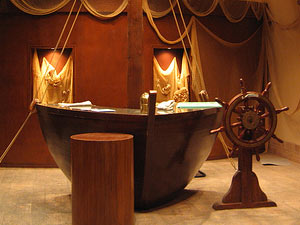
The Dubai International Art Centre (DIAC) is a non profit organisation offering an integral environment for artistic expression. It is committed to culturally and creatively enrich the local community by developing, stimulating, nurturing, encouraging and promoting artists, enthusiasts and art. DIAC is owned by the members and managed by a board of directors. It is the premiere center for arts education in Dubai, offering the community over 80 different art courses and workshops, language courses, and gallery exhibitions. DIAC was founded in 1976 by the initiative of a few artists and art enthusiasts residing in Dubai. Today membership stands at over 1,100 from 67 different nationalities and growing. DIAC’s primary goals are to promote arts in the GCC and Middle Eastern region by exhibiting artists” work, offering a range of professionally taught courses year round, and giving teaching opportunities for qualified professional artists. We are one of the main resources for the public to learn about arts in this region, from local gallery exhibitions, to courses, museums shows and more. Additionally we offer guided tours with curators of galleries and museums, lectures and special workshops.

Trekking in Shimla

The Dubai International Art Centre, Dubai

HistoryEdit

N.A.

Must SeeEdit

Attraction

Visiting TimeEdit

Sat to Wed 8:30 am – 5:30 pm
Thu 8:30 am – 4:00 pm

Closed OnEdit

N.A.

Best Season to VisitEdit

November to April.

Best Time To VisitEdit

Morning, Afternoon & Evening.

Time Required for SightseeingEdit

1 to 3 Hours.

Ticket Required : No Edit

Individual National Adult  : N.A.

Kids : N.A.

Individual Foreigner Adult  : N.A.

Kids : N.A.

Still Photo Camera : N.A.

Video Camera  : N.A.

Guide Required : No Edit

Approximate cost: N.A.

Dress Code (If Any) : No Edit

Dress Require: N.A.

Restaurants NearbyAdd / Edit

How to ReachEdit

Taxi : Taxi is also easily available here, Most visitors will opt for public taxis from the airport, which are readily available just outside arrivals, which use the meter and start at AED 25. If you can’t find one otherwise, you can attempt to call a taxi at 04-2080808

Bus : The Government of Dubai operates a network of buses linking Dubai city with the capitals of the other six emirates of the UAE. The buses run under the name Emirates Express and operate from various bus terminals in Dubai. Buses operate every 40 minutes from 6.20am from both Dubai’s Al Ghubaibah bus station and Abu Dhabi’s main bus station. The two-hour journey cost AED 25. Frequent buses run between Dubai and Sharjah. There are several different routes and buses depart from various bus stations in Dubai including Al Karama, Gold Souq, Baniyas Square, Jebel Ali and Al Ittihad Square. Fares are at Dh7 .

Train : Dubai Metro is composed of at-grade elevated Type 1, Type 2 and Type 3 (T1, T2 and T3, respectively) underground stations (U) and underground transfer station types (UT). Type 1 is the regular at-grade concourse station, Type 2 is a regular elevated concourse station, and Type 3 is an elevated special track station with an extra track to hold a non operational train. Underground transfer stations will be accommodating both the Red and Green lines for easy transfers. Besides these differences, there are four themes used in the interiors of the stations: earth, water, fire and air. Earth stations have a tan-brown colour effects; water has blue-white colour effects; fire has orange-red colour effects; and the air has green colour effects. Single tickets range from Dh2-8.50, or double that for use of the “Gold” first class carriage. Train run every 3-5 minutes from 5:50 AM to Midnight every day except Thursday and Friday, when services are extended to 5:50 AM to 1 AM and limited to 1 PM to Midnight, respectively. All stations are air-conditioned and there’s a large network of feeder buses.

Air : Dubai International Airport (DXB), which is located about 2.5 miles southeast of Dubai, links the emirate to over 200 world destinations by 100 airlines operating about 5,600 flights every week. Terminal 1 of Dubai International Airport serves as a base for international flights while Terminal 3 exclusively caters for Emirates. Terminal 2 on the other hand, is mainly used by smaller airlines operating to Iran, Pakistan and Afghanistan. India can avail flight services from metropolitan cities like Delhi, Mumbai, Kolkata, Chennai, Ahmedabad and Bangalore. Besides Emirates, Jet Airways, Air India, Thai Airways and Indian Airlines are some of the major airlines serving travellers flying to Dubai from India. Most visitors will opt for public taxis from the airport, which are readily available just outside arrivals, which use the meter and start at Dhs 25. Taxis are on the left when you come out of terminal 1.
Airport telephone number: +971 (0) 4 224 5555

Others : By Boat : An easier way of crossing the Dubai Creek is by abra, essentially a small ferry. Abra stations are located along the Creek on both the Bur Dubai and Deira sides, and the system of filling the boats is remarkably efficient. The cross-river trip costs 1 Dirham (AED 1) per passenger, payable to the driver after the boat has left the station, and affords a very picturesque view of the city (not to be missed). Abras set off very regularly, and the service is available round-the-clock.
Waterbus : The Waterbus is another option for tourists who want to go by boat but avoid the abra crowd (or the heat). It is a part of Dubai’s public transport system, so again a Red ticket, or any Nol card is required for the journey. Can be purchased at the waterbus station. The waterbus also features a ‘tourist route’ round trip – while it is convenient, it can get quite expensive (Dh50 for an adult, Dh25 for a child).
By Car : There are a countless number of Rent-A-Cars that will provide a mode of transportation for very cheap rates and very little paperwork. An International Driving Permit is not necessarily required, but hire companies may not rent a car without one. Some agencies will hire out cars complete with drivers. Visitors taking advantage of this option will need to make certain that their driver knows his way around as many do not.

Things to CarryEdit

  • Carry camera.

Safety / WarningEdit

  • Do not touch the artifacts displayed in art gallery

HelplineEdit

  • Police – 999 / 2292222
  • Fire Department – 997
  • Ambulance – 999
Gallery


View All Sight of Dubai... Click Here

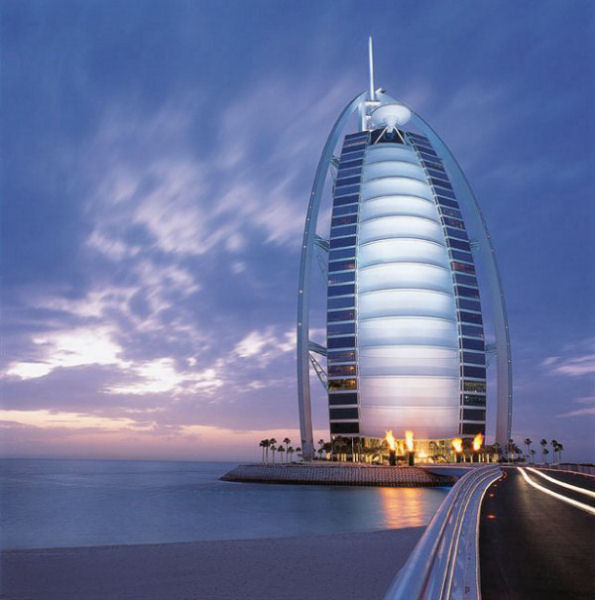
Burj Al Arab Hotel
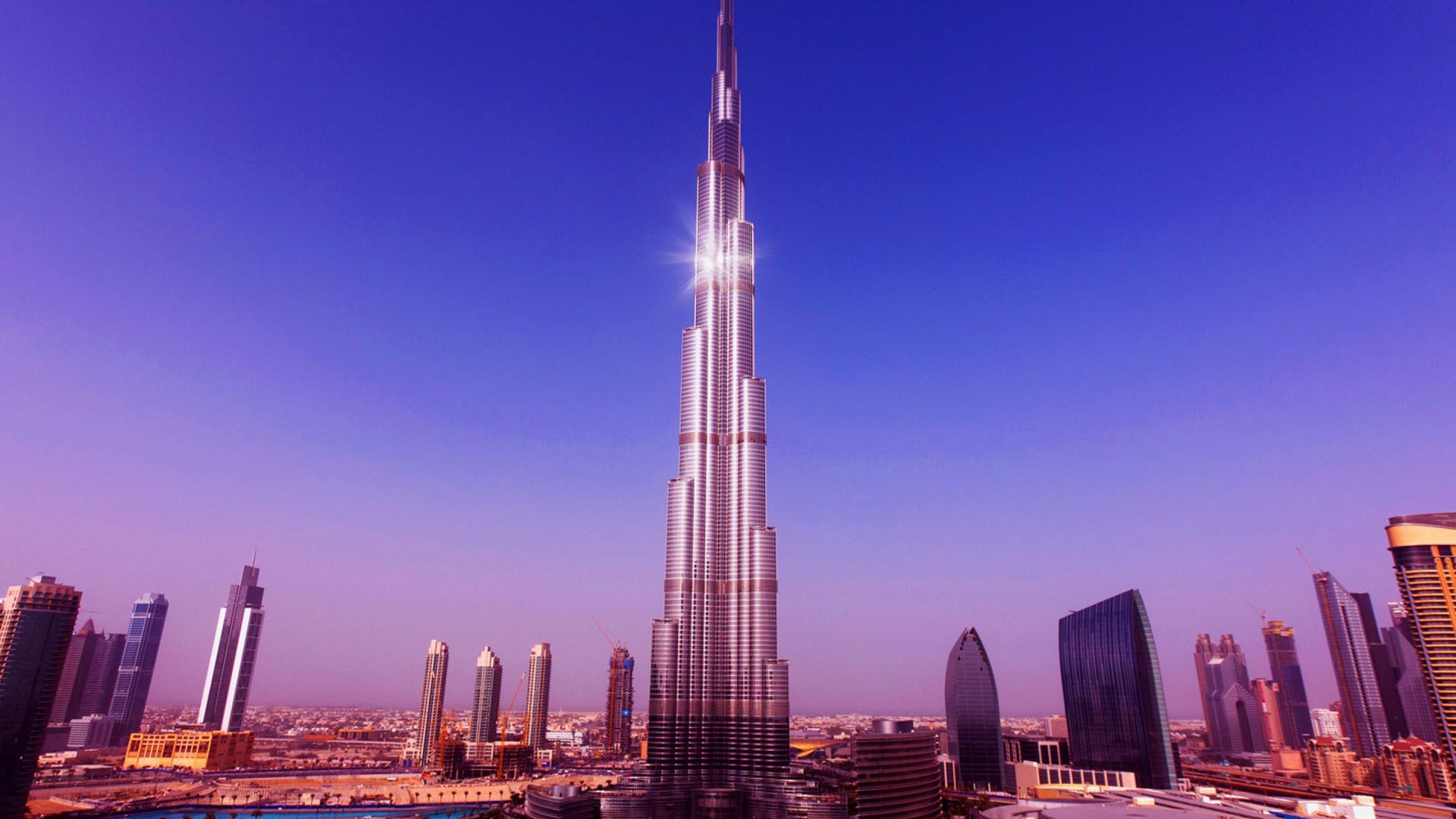
Burj Khalifa
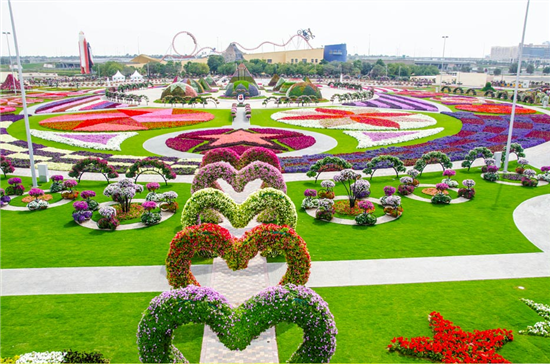
Dubai Miracle Garden

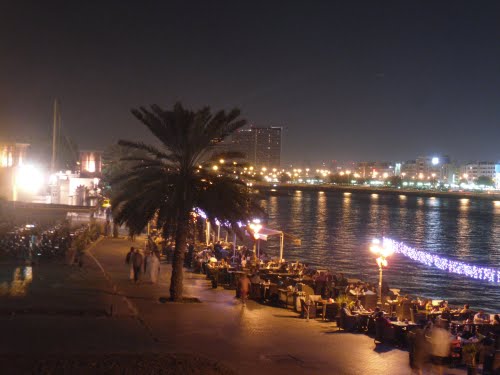
Al Shindagha

United Arab Emirates /Dubai /Dubai

Sight Address : Shindagha is one of the oldest areas of Dubai, and home to the al Shindagha Museum. Edit

Detail InformationEdit

Shindagha is one of the oldest areas of Dubai, and home to the al Shindagha Museum. This modest, two-storey dwelling was home to the visionary Sheikh Saeed Al-Maktoum, ruler of Dubai from 1912-1958 and grandfather of the present ruler. After his death, it lay abandoned until it was demolished, rebuilt next to its original site and opened to the public as a museum in 1986. Today, it’s known as the Al Shindagha Museum, and stands as a proud reminder of Dubai’s pre-oil era. It houses some truly fascinating historical photographs, letters, maps, treaties, coins and stamps that breathe life into many aspects of the social, cultural and educational life of yesteryear.

Trekking in Shimla

Al Shindagha Night View, Dubai

HistoryEdit

N.A.

Must SeeEdit

Attraction.

Visiting TimeEdit

Saturday to Thursday 07:30 am to 9:00 pm
Friday 3:00 pm to 9:30 pm

Closed OnEdit

N.A.

Best Season to VisitEdit

November to April.

Best Time To VisitEdit

Morning, Afternoon & Evening.

Time Required for SightseeingEdit

1 to 3 Hours.

Ticket Required : No Edit

Individual National Adult  : N.A.

Kids : N.A.

Individual Foreigner Adult  : N.A.

Kids : N.A.

Still Photo Camera : N.A.

Video Camera  : N.A.

Guide Required : No Edit

Approximate cost: N.A.

Dress Code (If Any) : No Edit

Dress Require: N.A.

Restaurants NearbyAdd / Edit

How to ReachEdit

Taxi : Taxi is also easily available here, Most visitors will opt for public taxis from the airport, which are readily available just outside arrivals, which use the meter and start at AED 25. If you can’t find one otherwise, you can attempt to call a taxi at 04-2080808

Bus : The Government of Dubai operates a network of buses linking Dubai city with the capitals of the other six emirates of the UAE. The buses run under the name Emirates Express and operate from various bus terminals in Dubai. Buses operate every 40 minutes from 6.20am from both Dubai’s Al Ghubaibah bus station and Abu Dhabi’s main bus station. The two-hour journey cost AED 25. Frequent buses run between Dubai and Sharjah. There are several different routes and buses depart from various bus stations in Dubai including Al Karama, Gold Souq, Baniyas Square, Jebel Ali and Al Ittihad Square. Fares are at Dh7 .

Train : Dubai Metro is composed of at-grade elevated Type 1, Type 2 and Type 3 (T1, T2 and T3, respectively) underground stations (U) and underground transfer station types (UT). Type 1 is the regular at-grade concourse station, Type 2 is a regular elevated concourse station, and Type 3 is an elevated special track station with an extra track to hold a non operational train. Underground transfer stations will be accommodating both the Red and Green lines for easy transfers. Besides these differences, there are four themes used in the interiors of the stations: earth, water, fire and air. Earth stations have a tan-brown colour effects; water has blue-white colour effects; fire has orange-red colour effects; and the air has green colour effects. Single tickets range from Dh2-8.50, or double that for use of the “Gold” first class carriage. Train run every 3-5 minutes from 5:50 AM to Midnight every day except Thursday and Friday, when services are extended to 5:50 AM to 1 AM and limited to 1 PM to Midnight, respectively. All stations are air-conditioned and there’s a large network of feeder buses.

Air : Dubai International Airport (DXB), which is located about 2.5 miles southeast of Dubai, links the emirate to over 200 world destinations by 100 airlines operating about 5,600 flights every week. Terminal 1 of Dubai International Airport serves as a base for international flights while Terminal 3 exclusively caters for Emirates. Terminal 2 on the other hand, is mainly used by smaller airlines operating to Iran, Pakistan and Afghanistan. India can avail flight services from metropolitan cities like Delhi, Mumbai, Kolkata, Chennai, Ahmedabad and Bangalore. Besides Emirates, Jet Airways, Air India, Thai Airways and Indian Airlines are some of the major airlines serving travellers flying to Dubai from India. Most visitors will opt for public taxis from the airport, which are readily available just outside arrivals, which use the meter and start at Dhs 25. Taxis are on the left when you come out of terminal 1.
Airport telephone number: +971 (0) 4 224 5555

Others : By Boat : An easier way of crossing the Dubai Creek is by abra, essentially a small ferry. Abra stations are located along the Creek on both the Bur Dubai and Deira sides, and the system of filling the boats is remarkably efficient. The cross-river trip costs 1 Dirham (AED 1) per passenger, payable to the driver after the boat has left the station, and affords a very picturesque view of the city (not to be missed). Abras set off very regularly, and the service is available round-the-clock.
Waterbus : The Waterbus is another option for tourists who want to go by boat but avoid the abra crowd (or the heat). It is a part of Dubai’s public transport system, so again a Red ticket, or any Nol card is required for the journey. Can be purchased at the waterbus station. The waterbus also features a ‘tourist route’ round trip – while it is convenient, it can get quite expensive (Dh50 for an adult, Dh25 for a child).
By Car : There are a countless number of Rent-A-Cars that will provide a mode of transportation for very cheap rates and very little paperwork. An International Driving Permit is not necessarily required, but hire companies may not rent a car without one. Some agencies will hire out cars complete with drivers. Visitors taking advantage of this option will need to make certain that their driver knows his way around as many do not.

Things to CarryEdit

  • Carry camera.

Safety / WarningEdit

  • Never take a photograph with a person not in your travelling party in it without asking for permission first.
  • Public drunkenness is strictly prohibited, as is drinking and driving.
  • Dubai is in a Muslim country, clothing should be modest in order to respect local customs.

HelplineEdit

  • Police – 999 / 2292222
  • Fire Department – 997
  • Ambulance – 999
Gallery


View All Sight of Dubai... Click Here

Burj Al Arab Hotel
Burj Khalifa
Dubai Miracle Garden

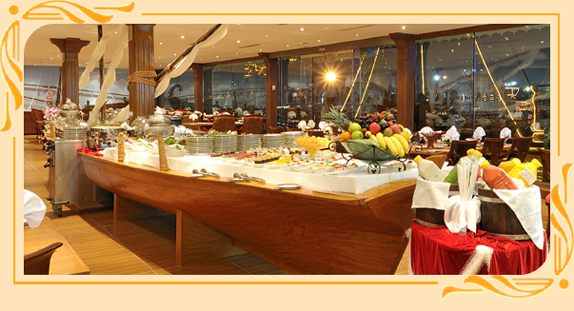
Al Boom Tourist Village

United Arab Emirates /Dubai /Dubai

Sight Address : Al Boom Tourist Village is situated at a prime landmark in Dubai.Edit

Detail InformationEdit

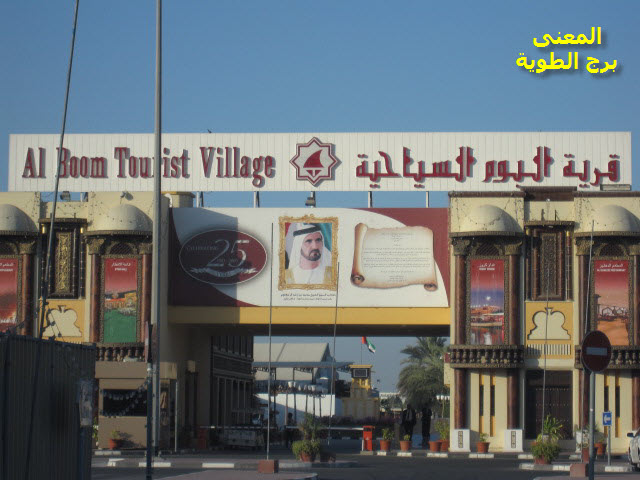
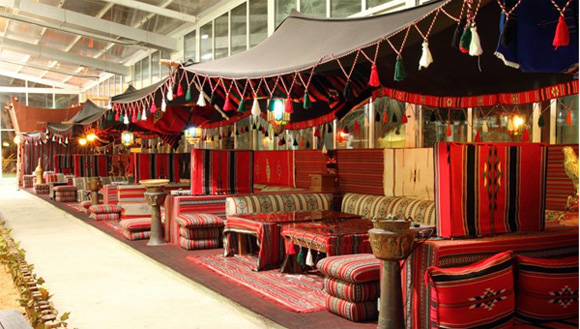
One of the pioneers in Dubai – AL Boom Tourist Village is situated at a prime landmark in Dubai. This precious property is possessed with its unique bonding with the local and foreign population.Al Boom Tourist Village has recently undergone a magnificent renovation with newly designed halls to accommodate the increasing demand of event requirements. Each Hall is characterised by a unique concept of elegance, decor and style that represents the beauty and splendid heritage of the Emirates. It is also well known for managing and creating the most elaborate and lavish wedding arrangements.

Trekking in Shimla

Al Boom Tourist Village Entrance, Dubai

HistoryEdit

N.A.

Must SeeEdit

Attraction.

Visiting TimeEdit

09:00 AM to 01:00 AM

Closed OnEdit

N.A.

Best Season to VisitEdit

November to April.

Best Time To VisitEdit

Morning, Afternoon.

Time Required for SightseeingEdit

1 to 3 Hours.

Ticket Required : No Edit

Individual National Adult  : N.A.

Kids : N.A.

Individual Foreigner Adult  : N.A.

Kids : N.A.

Still Photo Camera : N.A.

Video Camera  : N.A.

Guide Required : No Edit

Approximate cost: N.A.

Dress Code (If Any) : No Edit

Dress Require: N.A.

Restaurants NearbyAdd / Edit

How to ReachEdit

Taxi : Taxi is also easily available here, Most visitors will opt for public taxis from the airport, which are readily available just outside arrivals, which use the meter and start at AED 25. If you can’t find one otherwise, you can attempt to call a taxi at 04-2080808

Bus : The Government of Dubai operates a network of buses linking Dubai city with the capitals of the other six emirates of the UAE. The buses run under the name Emirates Express and operate from various bus terminals in Dubai. Buses operate every 40 minutes from 6.20am from both Dubai’s Al Ghubaibah bus station and Abu Dhabi’s main bus station. The two-hour journey cost AED 25. Frequent buses run between Dubai and Sharjah. There are several different routes and buses depart from various bus stations in Dubai including Al Karama, Gold Souq, Baniyas Square, Jebel Ali and Al Ittihad Square. Fares are at Dh7 .

Train : Dubai Metro is composed of at-grade elevated Type 1, Type 2 and Type 3 (T1, T2 and T3, respectively) underground stations (U) and underground transfer station types (UT). Type 1 is the regular at-grade concourse station, Type 2 is a regular elevated concourse station, and Type 3 is an elevated special track station with an extra track to hold a non operational train. Underground transfer stations will be accommodating both the Red and Green lines for easy transfers. Besides these differences, there are four themes used in the interiors of the stations: earth, water, fire and air. Earth stations have a tan-brown colour effects; water has blue-white colour effects; fire has orange-red colour effects; and the air has green colour effects. Single tickets range from Dh2-8.50, or double that for use of the “Gold” first class carriage. Train run every 3-5 minutes from 5:50 AM to Midnight every day except Thursday and Friday, when services are extended to 5:50 AM to 1 AM and limited to 1 PM to Midnight, respectively. All stations are air-conditioned and there’s a large network of feeder buses.

Air : Dubai International Airport (DXB), which is located about 2.5 miles southeast of Dubai, links the emirate to over 200 world destinations by 100 airlines operating about 5,600 flights every week. Terminal 1 of Dubai International Airport serves as a base for international flights while Terminal 3 exclusively caters for Emirates. Terminal 2 on the other hand, is mainly used by smaller airlines operating to Iran, Pakistan and Afghanistan. India can avail flight services from metropolitan cities like Delhi, Mumbai, Kolkata, Chennai, Ahmedabad and Bangalore. Besides Emirates, Jet Airways, Air India, Thai Airways and Indian Airlines are some of the major airlines serving travellers flying to Dubai from India. Most visitors will opt for public taxis from the airport, which are readily available just outside arrivals, which use the meter and start at Dhs 25. Taxis are on the left when you come out of terminal 1.
Airport telephone number: +971 (0) 4 224 5555

Others : By Boat : An easier way of crossing the Dubai Creek is by abra, essentially a small ferry. Abra stations are located along the Creek on both the Bur Dubai and Deira sides, and the system of filling the boats is remarkably efficient. The cross-river trip costs 1 Dirham (AED 1) per passenger, payable to the driver after the boat has left the station, and affords a very picturesque view of the city (not to be missed). Abras set off very regularly, and the service is available round-the-clock.
Waterbus : The Waterbus is another option for tourists who want to go by boat but avoid the abra crowd (or the heat). It is a part of Dubai’s public transport system, so again a Red ticket, or any Nol card is required for the journey. Can be purchased at the waterbus station. The waterbus also features a ‘tourist route’ round trip – while it is convenient, it can get quite expensive (Dh50 for an adult, Dh25 for a child).
By Car : There are a countless number of Rent-A-Cars that will provide a mode of transportation for very cheap rates and very little paperwork. An International Driving Permit is not necessarily required, but hire companies may not rent a car without one. Some agencies will hire out cars complete with drivers. Visitors taking advantage of this option will need to make certain that their driver knows his way around as many do not.

Things to CarryEdit

  • Carry Camera.

Safety / WarningEdit

  • Never take a photograph with a person not in your travelling party in it without asking for permission first.
  • Public drunkenness is strictly prohibited, as is drinking and driving.
  • Dubai is in a Muslim country, clothing should be modest in order to respect local customs.

HelplineEdit

  • Police – 999 / 2292222
  • Fire Department – 997
  • Ambulance – 999
Gallery


View All Sight of Dubai... Click Here

Burj Al Arab Hotel
Burj Khalifa
Dubai Miracle Garden

Wind tower houses in Al Bastakiya

United Arab Emirates /Dubai /Dubai

Sight Address : Wind tower houses in Al Bastakiya is located along the Dubai Creek.Edit

Detail InformationEdit

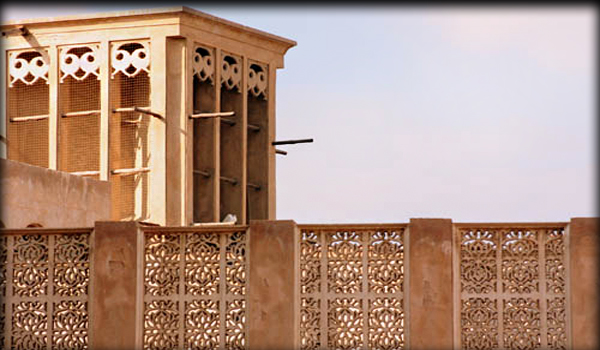
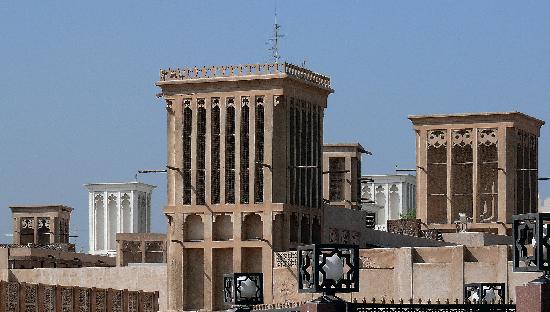
The Bastakiya district has been earmarked for tourist development, with the construction of a museum, cultural Center, and an art gallery that showcases local talent. The old Bastakiya district with its narrow lanes and tall wind-towers gives a tantalizing glimpse of old Dubai. Immediately to the east of Al Fahidi Fort is the largest concentration of traditional courtyard houses with wind towers. In the past, the city was famous for a mass of wind towers that lined the Creek on either side. These wind towers were not just decorative. They were the only means of cooling houses in the days before mains electricity. Bastakiya is a bustling market and cultural center of Dubai. The original, old city of Dubai is just one per cent of the modern city we see today. The district is filled with traditional courtyard houses and classic wind towers, which offer a charming glimpse of how Dubai once looked. The distinctive architectural feature of Bastakia is the wind tower (barjeel in Arabic). Apparently, every house in Bastakia has at least one. In the early days, the number of wind towers indicated the wealth of the owner. A symbol of UAE culture and heritage, the wind tower is not just ornamentation, but an early form of air conditioning. The open towers allow cool breezes to circulate around the inside while letting hot air to rise and escape.

Trekking in Shimla

Wind Tower Houses Al Bastakia, Dubai

HistoryEdit

Traditionally a stronghold of rich merchant residents, Bastakia dates back to the 1890s when it was settled by pearl and textile traders from the Bastak region of Iran. Today many of the traditional homes are open to the public. When you enter one and step into its interior courtyard, you can imagine the beauty and comfort that these well-to-do merchants created for themselves.

Must SeeEdit

Attraction

Visiting TimeEdit

N.A.

Closed OnEdit

N.A.

Best Season to VisitEdit

November to April

Best Time To VisitEdit

Morning, Afternoon & Evening.

Time Required for SightseeingEdit

1 to 3 Hours

Ticket Required : No Edit

Individual National Adult  : N.A.

Kids : N.A.

Individual Foreigner Adult  : N.A.

Kids : N.A.

Still Photo Camera : N.A.

Video Camera  : N.A.

Guide Required : No Edit

Approximate cost: N.A.

Dress Code (If Any) : No Edit

Dress Require: N.A.

Restaurants NearbyAdd / Edit

How to ReachEdit

Taxi : Taxi is also easily available here, Most visitors will opt for public taxis from the airport, which are readily available just outside arrivals, which use the meter and start at AED 25. If you can’t find one otherwise, you can attempt to call a taxi at 04-2080808

Bus : The Government of Dubai operates a network of buses linking Dubai city with the capitals of the other six emirates of the UAE. The buses run under the name Emirates Express and operate from various bus terminals in Dubai. Buses operate every 40 minutes from 6.20am from both Dubai’s Al Ghubaibah bus station and Abu Dhabi’s main bus station. The two-hour journey cost AED 25. Frequent buses run between Dubai and Sharjah. There are several different routes and buses depart from various bus stations in Dubai including Al Karama, Gold Souq, Baniyas Square, Jebel Ali and Al Ittihad Square. Fares are at Dh7 .

Train : Dubai Metro is composed of at-grade elevated Type 1, Type 2 and Type 3 (T1, T2 and T3, respectively) underground stations (U) and underground transfer station types (UT). Type 1 is the regular at-grade concourse station, Type 2 is a regular elevated concourse station, and Type 3 is an elevated special track station with an extra track to hold a non operational train. Underground transfer stations will be accommodating both the Red and Green lines for easy transfers. Besides these differences, there are four themes used in the interiors of the stations: earth, water, fire and air. Earth stations have a tan-brown colour effects; water has blue-white colour effects; fire has orange-red colour effects; and the air has green colour effects. Single tickets range from Dh2-8.50, or double that for use of the “Gold” first class carriage. Train run every 3-5 minutes from 5:50 AM to Midnight every day except Thursday and Friday, when services are extended to 5:50 AM to 1 AM and limited to 1 PM to Midnight, respectively. All stations are air-conditioned and there’s a large network of feeder buses.

Air : Dubai International Airport (DXB), which is located about 2.5 miles southeast of Dubai, links the emirate to over 200 world destinations by 100 airlines operating about 5,600 flights every week. Terminal 1 of Dubai International Airport serves as a base for international flights while Terminal 3 exclusively caters for Emirates. Terminal 2 on the other hand, is mainly used by smaller airlines operating to Iran, Pakistan and Afghanistan. India can avail flight services from metropolitan cities like Delhi, Mumbai, Kolkata, Chennai, Ahmedabad and Bangalore. Besides Emirates, Jet Airways, Air India, Thai Airways and Indian Airlines are some of the major airlines serving travellers flying to Dubai from India. Most visitors will opt for public taxis from the airport, which are readily available just outside arrivals, which use the meter and start at Dhs 25. Taxis are on the left when you come out of terminal 1.
Airport telephone number: +971 (0) 4 224 5555

Others : By Boat : An easier way of crossing the Dubai Creek is by abra, essentially a small ferry. Abra stations are located along the Creek on both the Bur Dubai and Deira sides, and the system of filling the boats is remarkably efficient. The cross-river trip costs 1 Dirham (AED 1) per passenger, payable to the driver after the boat has left the station, and affords a very picturesque view of the city (not to be missed). Abras set off very regularly, and the service is available round-the-clock.
Waterbus : The Waterbus is another option for tourists who want to go by boat but avoid the abra crowd (or the heat). It is a part of Dubai’s public transport system, so again a Red ticket, or any Nol card is required for the journey. Can be purchased at the waterbus station. The waterbus also features a ‘tourist route’ round trip – while it is convenient, it can get quite expensive (Dh50 for an adult, Dh25 for a child).
By Car : There are a countless number of Rent-A-Cars that will provide a mode of transportation for very cheap rates and very little paperwork. An International Driving Permit is not necessarily required, but hire companies may not rent a car without one. Some agencies will hire out cars complete with drivers. Visitors taking advantage of this option will need to make certain that their driver knows his way around as many do not.

Things to CarryEdit

  • Carry camera.

Safety / WarningEdit

  • Never take a photograph with a person not in your travelling party in it without asking for permission first.
  • Public drunkenness is strictly prohibited, as is drinking and driving.
  • Dubai is in a Muslim country, clothing should be modest in order to respect local customs.

HelplineEdit

  • Police – 999 / 2292222
  • Fire Department – 997
  • Ambulance – 999
Gallery


View All Sight of Dubai... Click Here

Burj Al Arab Hotel
Burj Khalifa
Dubai Miracle Garden

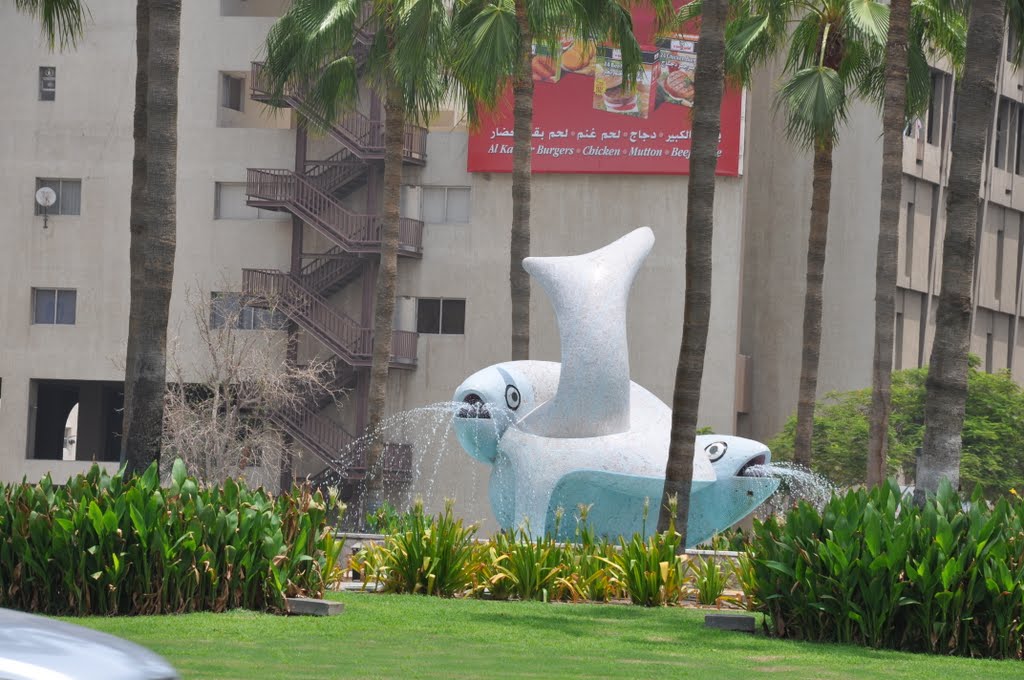
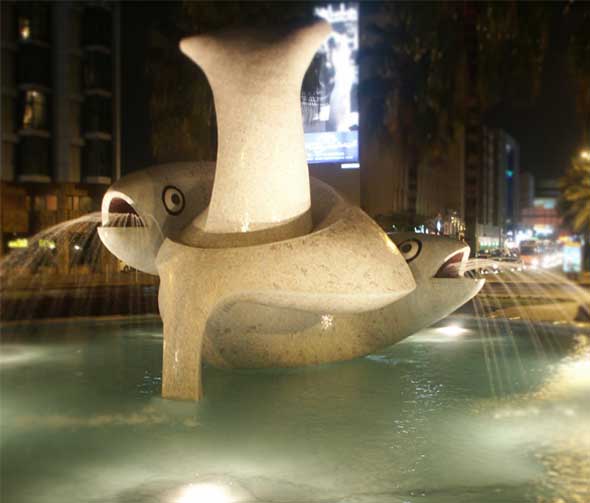
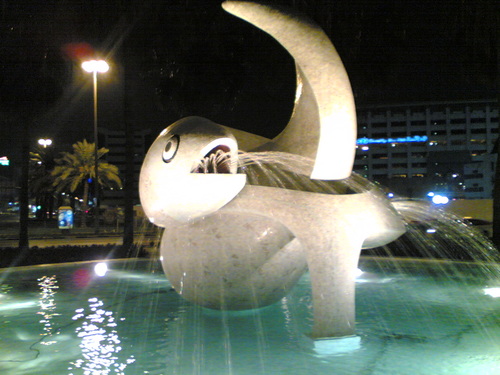
Fish Roundabout

United Arab Emirates /Dubai /Dubai

Sight Address : Fish Roundabout, Shop Nos. 5 & 6, Fish R/A, Deira, Dxb – P.o.box: 6176 – Dubai – United Arab Emirates Edit

Detail InformationEdit

N.A.

Trekking in Shimla

Fish Roundabout, Dubai

HistoryEdit

N.A.

Must SeeEdit

Attraction

Visiting TimeEdit

8:00 am – 11:00 pm

Closed OnEdit

N.A.

Best Season to VisitEdit

November to April.

Best Time To VisitEdit

Morning, Afternoon & Evening.

Time Required for SightseeingEdit

1 hour.

Ticket Required : No Edit

Individual National Adult  : N.A.

Kids : N.A.

Individual Foreigner Adult  : N.A.

Kids : N.A.

Still Photo Camera : N.A.

Video Camera  : N.A.

Guide Required : No Edit

Approximate cost: N.A.

Dress Code (If Any) : No Edit

Dress Require: N.A.

Restaurants NearbyAdd / Edit

How to ReachEdit

Taxi : Taxi is also easily available here, Most visitors will opt for public taxis from the airport, which are readily available just outside arrivals, which use the meter and start at AED 25. If you can’t find one otherwise, you can attempt to call a taxi at 04-2080808

Bus : The Government of Dubai operates a network of buses linking Dubai city with the capitals of the other six emirates of the UAE. The buses run under the name Emirates Express and operate from various bus terminals in Dubai. Buses operate every 40 minutes from 6.20am from both Dubai’s Al Ghubaibah bus station and Abu Dhabi’s main bus station. The two-hour journey cost AED 25. Frequent buses run between Dubai and Sharjah. There are several different routes and buses depart from various bus stations in Dubai including Al Karama, Gold Souq, Baniyas Square, Jebel Ali and Al Ittihad Square. Fares are at Dh7 .

Train : Dubai Metro is composed of at-grade elevated Type 1, Type 2 and Type 3 (T1, T2 and T3, respectively) underground stations (U) and underground transfer station types (UT). Type 1 is the regular at-grade concourse station, Type 2 is a regular elevated concourse station, and Type 3 is an elevated special track station with an extra track to hold a non operational train. Underground transfer stations will be accommodating both the Red and Green lines for easy transfers. Besides these differences, there are four themes used in the interiors of the stations: earth, water, fire and air. Earth stations have a tan-brown colour effects; water has blue-white colour effects; fire has orange-red colour effects; and the air has green colour effects. Single tickets range from Dh2-8.50, or double that for use of the “Gold” first class carriage. Train run every 3-5 minutes from 5:50 AM to Midnight every day except Thursday and Friday, when services are extended to 5:50 AM to 1 AM and limited to 1 PM to Midnight, respectively. All stations are air-conditioned and there’s a large network of feeder buses.

Air : Dubai International Airport (DXB), which is located about 2.5 miles southeast of Dubai, links the emirate to over 200 world destinations by 100 airlines operating about 5,600 flights every week. Terminal 1 of Dubai International Airport serves as a base for international flights while Terminal 3 exclusively caters for Emirates. Terminal 2 on the other hand, is mainly used by smaller airlines operating to Iran, Pakistan and Afghanistan. India can avail flight services from metropolitan cities like Delhi, Mumbai, Kolkata, Chennai, Ahmedabad and Bangalore. Besides Emirates, Jet Airways, Air India, Thai Airways and Indian Airlines are some of the major airlines serving travellers flying to Dubai from India. Most visitors will opt for public taxis from the airport, which are readily available just outside arrivals, which use the meter and start at Dhs 25. Taxis are on the left when you come out of terminal 1.
Airport telephone number: +971 (0) 4 224 5555

Others : By Boat : An easier way of crossing the Dubai Creek is by abra, essentially a small ferry. Abra stations are located along the Creek on both the Bur Dubai and Deira sides, and the system of filling the boats is remarkably efficient. The cross-river trip costs 1 Dirham (AED 1) per passenger, payable to the driver after the boat has left the station, and affords a very picturesque view of the city (not to be missed). Abras set off very regularly, and the service is available round-the-clock.
Waterbus : The Waterbus is another option for tourists who want to go by boat but avoid the abra crowd (or the heat). It is a part of Dubai’s public transport system, so again a Red ticket, or any Nol card is required for the journey. Can be purchased at the waterbus station. The waterbus also features a ‘tourist route’ round trip – while it is convenient, it can get quite expensive (Dh50 for an adult, Dh25 for a child).
By Car : There are a countless number of Rent-A-Cars that will provide a mode of transportation for very cheap rates and very little paperwork. An International Driving Permit is not necessarily required, but hire companies may not rent a car without one. Some agencies will hire out cars complete with drivers. Visitors taking advantage of this option will need to make certain that their driver knows his way around as many do not.

Things to CarryEdit

  • Carry camera.

Safety / WarningEdit

  • Never take a photograph with a person not in your travelling party in it without asking for permission first.
  • Public drunkenness is strictly prohibited, as is drinking and driving.
  • Dubai is in a Muslim country, clothing should be modest in order to respect local customs.

HelplineEdit

  • Police – 999 / 2292222
  • Fire Department – 997
  • Ambulance – 999
Gallery


View All Sight of Dubai... Click Here

Burj Al Arab Hotel
Burj Khalifa
Dubai Miracle Garden

Deira Clock Tower

United Arab Emirates /Dubai /Dubai

Sight Address : Deira Clocktower is located in eastern Dubai in Deira, at the intersection of Umm Hurrair Road and route D 89. Edit

Detail InformationEdit

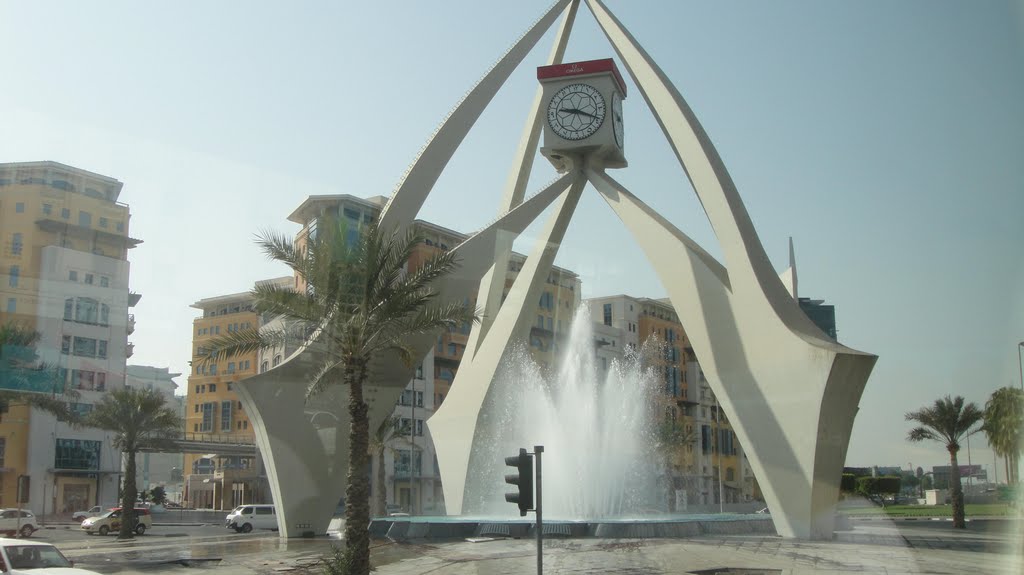
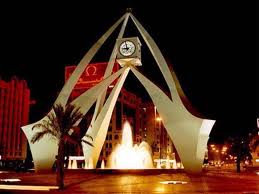
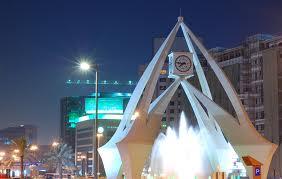
Deira Clocktower , originally referred to as the Dubai Clocktower, is a roundabout in Dubai, United Arab Emirates (UAE). The Clocktower is located in eastern Dubai in Deira, at the intersection of Umm Hurrair Road and route D 89 (Al Maktoum Road). Situated in the locality of Al Rigga, the Deira Clocktower, now a prominent monument in Deira, provides access to the Al Maktoum Bridge, the first land crossing constructed between Deira and Bur Dubai. Deira Clock Tower on a cold winter day during sunset Deira Clock Tower on a calm Friday at noon Dubai Clocktower was designed by Engineer Edgar Bublik General Manager of Overseas AST and constructed by an unknown local builder around 1964. However, by 1972, the monument had started to crack and corrode the steel reinforcements, as a result of the unwashed beach sand used for the concrete. The Clocktower was refurbished in 1972 by Overseas AST. The Clocktower was erected as a symbol of Dubai and located in Deira because major routes into Dubai converged prior to the building of Dubai – Abu Dhabi Road. The Deira Clock Tower can be reached by Dubai Metro. The nearest metro station is Al-Rigga on Red Line. The area around Deira clock tower is a very important commercially which includes the offices of major International Airlines operating in UAE.

Trekking in Shimla

Deira Clocktower, Dubai

HistoryEdit

N.A.

Must SeeEdit

Attraction

Visiting TimeEdit

N.A.

Closed OnEdit

N.A.

Best Season to VisitEdit

November to April.

Best Time To VisitEdit

Morning, Afternoon & Evening.

Time Required for SightseeingEdit

1 hour.

Ticket Required : No Edit

Individual National Adult  : N.A.

Kids : N.A.

Individual Foreigner Adult  : N.A.

Kids : N.A.

Still Photo Camera : N.A.

Video Camera  : N.A.

Guide Required : No Edit

Approximate cost: N.A.

Dress Code (If Any) : No Edit

Dress Require: N.A.

Restaurants NearbyAdd / Edit

How to ReachEdit

Taxi : Taxi is also easily available here, Most visitors will opt for public taxis from the airport, which are readily available just outside arrivals, which use the meter and start at AED 25. If you can’t find one otherwise, you can attempt to call a taxi at 04-2080808

Bus : The Government of Dubai operates a network of buses linking Dubai city with the capitals of the other six emirates of the UAE. The buses run under the name Emirates Express and operate from various bus terminals in Dubai. Buses operate every 40 minutes from 6.20am from both Dubai’s Al Ghubaibah bus station and Abu Dhabi’s main bus station. The two-hour journey cost AED 25. Frequent buses run between Dubai and Sharjah. There are several different routes and buses depart from various bus stations in Dubai including Al Karama, Gold Souq, Baniyas Square, Jebel Ali and Al Ittihad Square. Fares are at Dh7 .

Train : Dubai Metro is composed of at-grade elevated Type 1, Type 2 and Type 3 (T1, T2 and T3, respectively) underground stations (U) and underground transfer station types (UT). Type 1 is the regular at-grade concourse station, Type 2 is a regular elevated concourse station, and Type 3 is an elevated special track station with an extra track to hold a non operational train. Underground transfer stations will be accommodating both the Red and Green lines for easy transfers. Besides these differences, there are four themes used in the interiors of the stations: earth, water, fire and air. Earth stations have a tan-brown colour effects; water has blue-white colour effects; fire has orange-red colour effects; and the air has green colour effects. Single tickets range from Dh2-8.50, or double that for use of the “Gold” first class carriage. Train run every 3-5 minutes from 5:50 AM to Midnight every day except Thursday and Friday, when services are extended to 5:50 AM to 1 AM and limited to 1 PM to Midnight, respectively. All stations are air-conditioned and there’s a large network of feeder buses.

Air : Dubai International Airport (DXB), which is located about 2.5 miles southeast of Dubai, links the emirate to over 200 world destinations by 100 airlines operating about 5,600 flights every week. Terminal 1 of Dubai International Airport serves as a base for international flights while Terminal 3 exclusively caters for Emirates. Terminal 2 on the other hand, is mainly used by smaller airlines operating to Iran, Pakistan and Afghanistan. India can avail flight services from metropolitan cities like Delhi, Mumbai, Kolkata, Chennai, Ahmedabad and Bangalore. Besides Emirates, Jet Airways, Air India, Thai Airways and Indian Airlines are some of the major airlines serving travellers flying to Dubai from India. Most visitors will opt for public taxis from the airport, which are readily available just outside arrivals, which use the meter and start at Dhs 25. Taxis are on the left when you come out of terminal 1.
Airport telephone number: +971 (0) 4 224 5555

Others : By Boat : An easier way of crossing the Dubai Creek is by abra, essentially a small ferry. Abra stations are located along the Creek on both the Bur Dubai and Deira sides, and the system of filling the boats is remarkably efficient. The cross-river trip costs 1 Dirham (AED 1) per passenger, payable to the driver after the boat has left the station, and affords a very picturesque view of the city (not to be missed). Abras set off very regularly, and the service is available round-the-clock.
Waterbus : The Waterbus is another option for tourists who want to go by boat but avoid the abra crowd (or the heat). It is a part of Dubai’s public transport system, so again a Red ticket, or any Nol card is required for the journey. Can be purchased at the waterbus station. The waterbus also features a ‘tourist route’ round trip – while it is convenient, it can get quite expensive (Dh50 for an adult, Dh25 for a child).
By Car : There are a countless number of Rent-A-Cars that will provide a mode of transportation for very cheap rates and very little paperwork. An International Driving Permit is not necessarily required, but hire companies may not rent a car without one. Some agencies will hire out cars complete with drivers. Visitors taking advantage of this option will need to make certain that their driver knows his way around as many do not.

Things to CarryEdit

  • Carry Camera.

Safety / WarningEdit

  • Never take a photograph with a person not in your travelling party in it without asking for permission first.
  • Public drunkenness is strictly prohibited, as is drinking and driving.
  • Dubai is in a Muslim country, clothing should be modest in order to respect local customs.

HelplineEdit

  • Police – 999 / 2292222
  • Fire Department – 997
  • Ambulance – 999
Gallery


View All Sight of Dubai... Click Here

Burj Al Arab Hotel
Burj Khalifa
Dubai Miracle Garden

Dubai Museum in Al Fahidi Fort

United Arab Emirates /Dubai /Dubai

Sight Address : Dubai Museum in Al Fahidi Fort is located Opp. Grand Mosque – Al Fahidi St – Dubai – United Arab Emirates.Edit

Detail InformationEdit

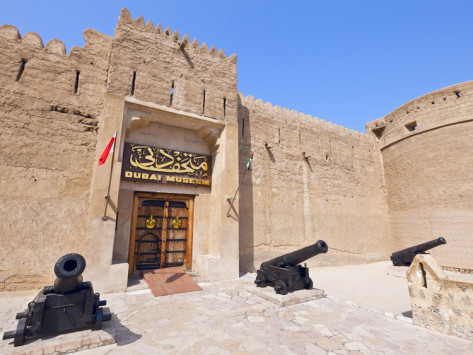
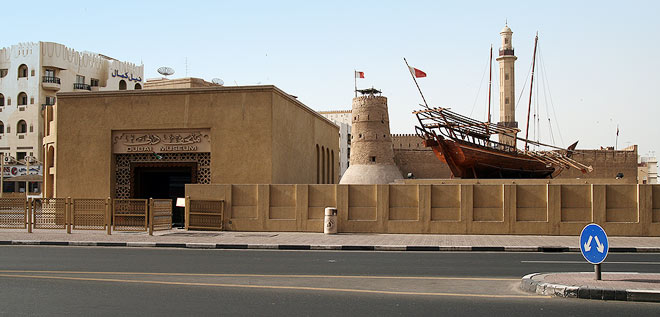
Dubai Museum is the main museum in Dubai, United Arab Emirates. It is located in the Al Fahidi Fort , built in 1787 and is the oldest existing building in Dubai.
The museum was opened by the ruler of Dubai in 1971, with the aim of presenting the traditional way of life in the Emirate of Dubai. It includes local antiquities as well as artifacts from African and Asian countries that traded with Dubai. It also includes several dioramas showing life in the emirate before the advent of oil. In addition to artifacts from recent discoveries as old as 3000 B.C. In 2007, Dubai Museum welcomed 1,800 visitors daily, with a yearly total of 611,840. In March 2008, the Museum had 80,000 visitors. The most popular times are from August to April.

Trekking in Shimla

Dubai Museum in Al Fahidi Fort Entrance View

HistoryEdit

Al Fahidi Fort was built in several phases. The oldest tower was built around 1787 and believed to be the oldest building in Dubai that still exists today. The fort was used to guard the landward approaches to the town from the raids of neighbouring tribes. It has also served, at various times throughout history as the ruler’s palace, a garrison, and a prison. In 1969 Sheikh Hamdan Bin Rashid Al Maktoum issued a letter to Sheikh Badr Mohammad Al Sabah, head of the office of state in Kuwait, asking for a museum expert to be sent to Dubai to help establish the museum.Work on renovating the fort commenced in 1970, and opened as the Dubai Museum on 12 May 1971 by Sheikh Rashid bin Saeed Al Maktoum, then ruler of Dubai. Additional galleries were built and opened in 1995.

Must SeeEdit

Attraction.

Visiting TimeEdit

N.A.

Closed OnEdit

N.A.

Best Season to VisitEdit

November to April.

Best Time To VisitEdit

Morning, Afternoon & Evening.

Time Required for SightseeingEdit

1 to 3 Hours.

Ticket Required : No Edit

Individual National Adult  : N.A.

Kids : N.A.

Individual Foreigner Adult  : N.A.

Kids : N.A.

Still Photo Camera : N.A.

Video Camera  : N.A.

Guide Required : No Edit

Approximate cost: N.A.

Dress Code (If Any) : No Edit

Dress Require: N.A.

Restaurants NearbyAdd / Edit

How to ReachEdit

Taxi : Taxi is also easily available here, Most visitors will opt for public taxis from the airport, which are readily available just outside arrivals, which use the meter and start at AED 25. If you can’t find one otherwise, you can attempt to call a taxi at 04-2080808

Bus : The Government of Dubai operates a network of buses linking Dubai city with the capitals of the other six emirates of the UAE. The buses run under the name Emirates Express and operate from various bus terminals in Dubai. Buses operate every 40 minutes from 6.20am from both Dubai’s Al Ghubaibah bus station and Abu Dhabi’s main bus station. The two-hour journey cost AED 25. Frequent buses run between Dubai and Sharjah. There are several different routes and buses depart from various bus stations in Dubai including Al Karama, Gold Souq, Baniyas Square, Jebel Ali and Al Ittihad Square. Fares are at Dh7 .

Train : Dubai Metro is composed of at-grade elevated Type 1, Type 2 and Type 3 (T1, T2 and T3, respectively) underground stations (U) and underground transfer station types (UT). Type 1 is the regular at-grade concourse station, Type 2 is a regular elevated concourse station, and Type 3 is an elevated special track station with an extra track to hold a non operational train. Underground transfer stations will be accommodating both the Red and Green lines for easy transfers. Besides these differences, there are four themes used in the interiors of the stations: earth, water, fire and air. Earth stations have a tan-brown colour effects; water has blue-white colour effects; fire has orange-red colour effects; and the air has green colour effects. Single tickets range from Dh2-8.50, or double that for use of the “Gold” first class carriage. Train run every 3-5 minutes from 5:50 AM to Midnight every day except Thursday and Friday, when services are extended to 5:50 AM to 1 AM and limited to 1 PM to Midnight, respectively. All stations are air-conditioned and there’s a large network of feeder buses.

Air : Dubai International Airport (DXB), which is located about 2.5 miles southeast of Dubai, links the emirate to over 200 world destinations by 100 airlines operating about 5,600 flights every week. Terminal 1 of Dubai International Airport serves as a base for international flights while Terminal 3 exclusively caters for Emirates. Terminal 2 on the other hand, is mainly used by smaller airlines operating to Iran, Pakistan and Afghanistan. India can avail flight services from metropolitan cities like Delhi, Mumbai, Kolkata, Chennai, Ahmedabad and Bangalore. Besides Emirates, Jet Airways, Air India, Thai Airways and Indian Airlines are some of the major airlines serving travellers flying to Dubai from India. Most visitors will opt for public taxis from the airport, which are readily available just outside arrivals, which use the meter and start at Dhs 25. Taxis are on the left when you come out of terminal 1.
Airport telephone number: +971 (0) 4 224 5555

Others : By Boat : An easier way of crossing the Dubai Creek is by abra, essentially a small ferry. Abra stations are located along the Creek on both the Bur Dubai and Deira sides, and the system of filling the boats is remarkably efficient. The cross-river trip costs 1 Dirham (AED 1) per passenger, payable to the driver after the boat has left the station, and affords a very picturesque view of the city (not to be missed). Abras set off very regularly, and the service is available round-the-clock.
Waterbus : The Waterbus is another option for tourists who want to go by boat but avoid the abra crowd (or the heat). It is a part of Dubai’s public transport system, so again a Red ticket, or any Nol card is required for the journey. Can be purchased at the waterbus station. The waterbus also features a ‘tourist route’ round trip – while it is convenient, it can get quite expensive (Dh50 for an adult, Dh25 for a child).
By Car : There are a countless number of Rent-A-Cars that will provide a mode of transportation for very cheap rates and very little paperwork. An International Driving Permit is not necessarily required, but hire companies may not rent a car without one. Some agencies will hire out cars complete with drivers. Visitors taking advantage of this option will need to make certain that their driver knows his way around as many do not.

Things to CarryEdit

  • Carry camera.

Safety / WarningEdit

  • Never take a photograph with a person not in your travelling party in it without asking for permission first.
  • Public drunkenness is strictly prohibited, as is drinking and driving.
  • Dubai is in a Muslim country, clothing should be modest in order to respect local customs.

HelplineEdit

  • Police – 999 / 2292222
  • Fire Department – 997
  • Ambulance – 999
Gallery


View All Sight of Dubai... Click Here

Burj Al Arab Hotel
Burj Khalifa
Dubai Miracle Garden

Bait Al Wakeel, Fishing and Maritime Museum

United Arab Emirates /Dubai /Dubai

Sight Address : Bait Al Wakeel, Fishing and Maritime Museum, Dubai.Edit

Detail InformationEdit

Bait Al wakeel Fishing and Maritime Museum which is great place learning fishing and marine life fact and entertainment activities in dubai. As it was one the main zone of transporting of goods dubai. Bait Al wakeel, that is first dubai building which are committed to dubai government purpose. This is considered one of the great buildings of modern time and has gain the popularity of tourist’s attractions. As now Dubai has greatly invested in the tourism industry for gaining the foreigner tourists and holidaymaker’s attentions. Dubai is organizing every year the Dubai shopping festival which is month run activities for dubai tourists and some much happen shopping and buying and selling activities. Along with people enjoy here the modern and old attraction of dubai. This was first office government offered architecture, Biat al wakeel was constructed as office of Gray Mackenzie. And it got completed in the 1935 and building is having larger space which are occupied by the its officers like manager and family. This is situated near the abra landing, at an edge of dubai creek. It is also one the main transporting system of dubai for importing and exporting the goods and other things. And now building has restructured to serve a special purspose.At this time Bait Al wakeel dubai building is a maritime museum and has gained the stream of foreign tourists of fishing and marine life related activities.

Trekking in Shimla

Bait Al Wakeel, Fishing and Maritime Museum Dubai

HistoryEdit

N.A.

Must SeeEdit

Attraction

Visiting TimeEdit

N.A.

Closed OnEdit

N.A.

Best Season to VisitEdit

November to April.

Best Time To VisitEdit

Morning, Afternoon & Evening.

Time Required for SightseeingEdit

1 to 3 Hours

Ticket Required : No Edit

Individual National Adult  : N.A.

Kids : N.A.

Individual Foreigner Adult  : N.A.

Kids : N.A.

Still Photo Camera : N.A.

Video Camera  : N.A.

Guide Required : No Edit

Approximate cost: N.A.

Dress Code (If Any) : No Edit

Dress Require: N.A.

Restaurants NearbyAdd / Edit

How to ReachEdit

Taxi : Taxi is also easily available here, Most visitors will opt for public taxis from the airport, which are readily available just outside arrivals, which use the meter and start at AED 25. If you can’t find one otherwise, you can attempt to call a taxi at 04-2080808

Bus : The Government of Dubai operates a network of buses linking Dubai city with the capitals of the other six emirates of the UAE. The buses run under the name Emirates Express and operate from various bus terminals in Dubai. Buses operate every 40 minutes from 6.20am from both Dubai’s Al Ghubaibah bus station and Abu Dhabi’s main bus station. The two-hour journey cost AED 25. Frequent buses run between Dubai and Sharjah. There are several different routes and buses depart from various bus stations in Dubai including Al Karama, Gold Souq, Baniyas Square, Jebel Ali and Al Ittihad Square. Fares are at Dh7 .

Train : Dubai Metro is composed of at-grade elevated Type 1, Type 2 and Type 3 (T1, T2 and T3, respectively) underground stations (U) and underground transfer station types (UT). Type 1 is the regular at-grade concourse station, Type 2 is a regular elevated concourse station, and Type 3 is an elevated special track station with an extra track to hold a non operational train. Underground transfer stations will be accommodating both the Red and Green lines for easy transfers. Besides these differences, there are four themes used in the interiors of the stations: earth, water, fire and air. Earth stations have a tan-brown colour effects; water has blue-white colour effects; fire has orange-red colour effects; and the air has green colour effects. Single tickets range from Dh2-8.50, or double that for use of the “Gold” first class carriage. Train run every 3-5 minutes from 5:50 AM to Midnight every day except Thursday and Friday, when services are extended to 5:50 AM to 1 AM and limited to 1 PM to Midnight, respectively. All stations are air-conditioned and there’s a large network of feeder buses.

Air : Dubai International Airport (DXB), which is located about 2.5 miles southeast of Dubai, links the emirate to over 200 world destinations by 100 airlines operating about 5,600 flights every week. Terminal 1 of Dubai International Airport serves as a base for international flights while Terminal 3 exclusively caters for Emirates. Terminal 2 on the other hand, is mainly used by smaller airlines operating to Iran, Pakistan and Afghanistan. India can avail flight services from metropolitan cities like Delhi, Mumbai, Kolkata, Chennai, Ahmedabad and Bangalore. Besides Emirates, Jet Airways, Air India, Thai Airways and Indian Airlines are some of the major airlines serving travellers flying to Dubai from India. Most visitors will opt for public taxis from the airport, which are readily available just outside arrivals, which use the meter and start at Dhs 25. Taxis are on the left when you come out of terminal 1.
Airport telephone number: +971 (0) 4 224 5555

Others : By Boat : An easier way of crossing the Dubai Creek is by abra, essentially a small ferry. Abra stations are located along the Creek on both the Bur Dubai and Deira sides, and the system of filling the boats is remarkably efficient. The cross-river trip costs 1 Dirham (AED 1) per passenger, payable to the driver after the boat has left the station, and affords a very picturesque view of the city (not to be missed). Abras set off very regularly, and the service is available round-the-clock.
Waterbus : The Waterbus is another option for tourists who want to go by boat but avoid the abra crowd (or the heat). It is a part of Dubai’s public transport system, so again a Red ticket, or any Nol card is required for the journey. Can be purchased at the waterbus station. The waterbus also features a ‘tourist route’ round trip – while it is convenient, it can get quite expensive (Dh50 for an adult, Dh25 for a child).
By Car : There are a countless number of Rent-A-Cars that will provide a mode of transportation for very cheap rates and very little paperwork. An International Driving Permit is not necessarily required, but hire companies may not rent a car without one. Some agencies will hire out cars complete with drivers. Visitors taking advantage of this option will need to make certain that their driver knows his way around as many do not.

Things to CarryEdit

  • Carry Camera.

Safety / WarningEdit

  • Never take a photograph with a person not in your travelling party in it without asking for permission first.
  • Public drunkenness is strictly prohibited, as is drinking and driving.
  • Dubai is in a Muslim country, clothing should be modest in order to respect local customs.

HelplineEdit

  • Police – 999 / 2292222
  • Fire Department – 997
  • Ambulance – 999

Gallery


View All Sight of Dubai... Click Here

Burj Al Arab Hotel
Burj Khalifa
Dubai Miracle Garden

Dubai Miracle Garden

United Arab Emirates /Dubai /Dubai

Sight Address : Dubai Miracle Garden is located in Dubailand near the Arabian Ranches. Edit

Detail InformationEdit

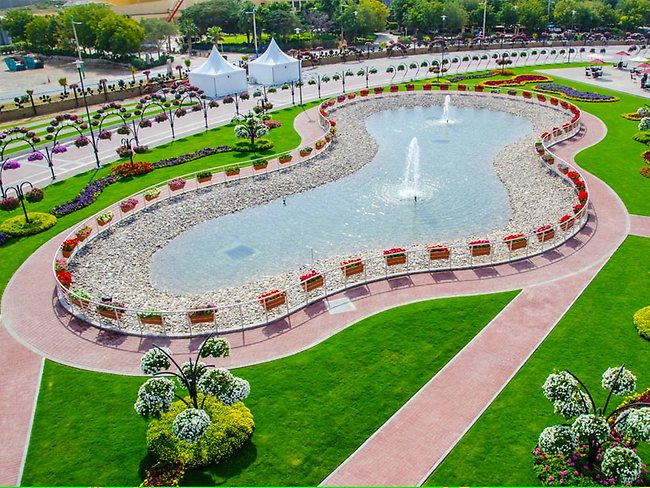
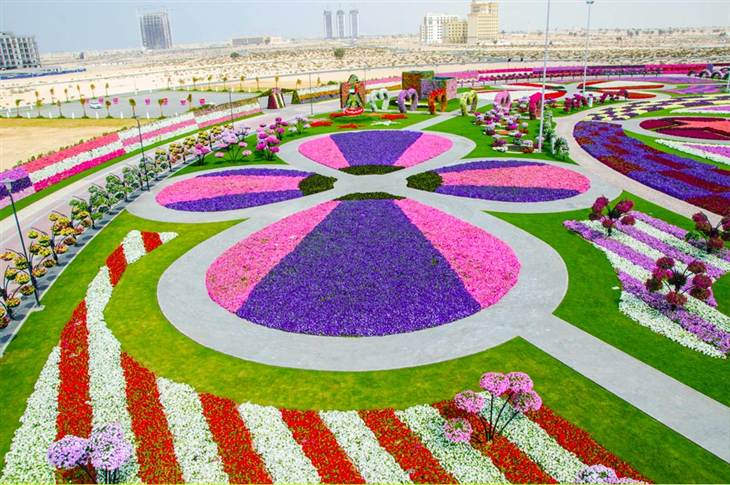
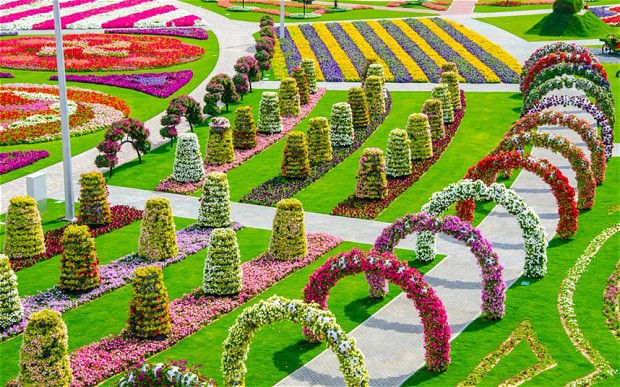
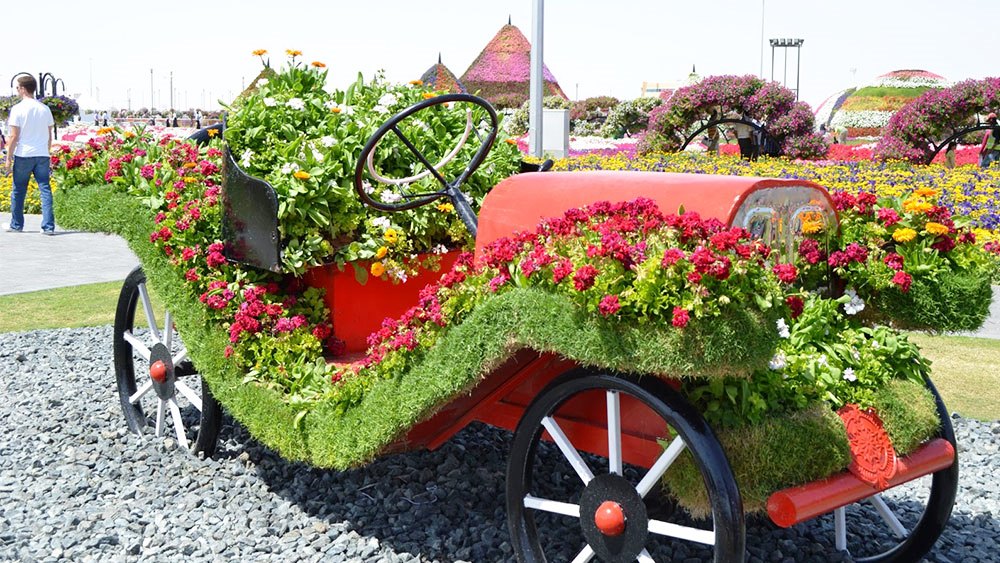
Opened on Valentine’s Day, Dubai Miracle Garden contains over 45 million flowers over a 72,000 sq metre site and, as well as traditional flowerbeds, it features topiary-style displays with blooms fashioned into the shapes of hearts, stars, igloos, pyramids and so on. Intended as a tourist attraction which should attract one million visitors a year once fully established, the site was developed by the landscaping company Akar. Floral displays will change each season so that repeat visitors will have a new experience each time. developers of the garden have said that it has been possible to develop this oasis in the desert “through judicious re-use of waste water, through drip irrigation.” While Britain is still to emerge from the ongoing cold snap, winter in Dubai provides the optimum growth period for flowers and the garden will close at the peak of summer.

Trekking in Shimla

The Most Beautiful and Largest Flower Garden in World, Dubai Miracle Garden

HistoryEdit

N.A.

Must SeeEdit

Popular

Visiting TimeEdit

SATURDAY – THURSDAY: 9:00 AM – 9:00 PM
FRIDAY: 9:00 AM – 11:00 PM

Closed OnEdit

May – September.

Best Season to VisitEdit

November to April

Best Time To VisitEdit

Morning, Afternoon & evening.

Time Required for SightseeingEdit

2-3 Hours

Ticket Required : Yes Edit

Individual National Adult  : AED 20

Kids : AED 20 (above 3 yrs.)

Individual Foreigner Adult  : AED 20

Kids : AED 20 (above 3 yrs.)

Still Photo Camera : N.A.

Video Camera  : N.A.

Guide Required : No Edit

Approximate cost: N.A.

Dress Code (If Any) : No Edit

Dress Require: N.A.

Restaurants NearbyAdd / Edit

How to ReachEdit

Taxi : Taxi is also easily available here, Most visitors will opt for public taxis from the airport, which are readily available just outside arrivals, which use the meter and start at AED 25. If you can’t find one otherwise, you can attempt to call a taxi at 04-2080808

Bus : The Government of Dubai operates a network of buses linking Dubai city with the capitals of the other six emirates of the UAE. The buses run under the name Emirates Express and operate from various bus terminals in Dubai. Buses operate every 40 minutes from 6.20am from both Dubai’s Al Ghubaibah bus station and Abu Dhabi’s main bus station. The two-hour journey cost AED 25. Frequent buses run between Dubai and Sharjah. There are several different routes and buses depart from various bus stations in Dubai including Al Karama, Gold Souq, Baniyas Square, Jebel Ali and Al Ittihad Square. Fares are at Dh7 .

Train : Dubai Metro is composed of at-grade elevated Type 1, Type 2 and Type 3 (T1, T2 and T3, respectively) underground stations (U) and underground transfer station types (UT). Type 1 is the regular at-grade concourse station, Type 2 is a regular elevated concourse station, and Type 3 is an elevated special track station with an extra track to hold a non operational train. Underground transfer stations will be accommodating both the Red and Green lines for easy transfers. Besides these differences, there are four themes used in the interiors of the stations: earth, water, fire and air. Earth stations have a tan-brown colour effects; water has blue-white colour effects; fire has orange-red colour effects; and the air has green colour effects. Single tickets range from Dh2-8.50, or double that for use of the “Gold” first class carriage. Train run every 3-5 minutes from 5:50 AM to Midnight every day except Thursday and Friday, when services are extended to 5:50 AM to 1 AM and limited to 1 PM to Midnight, respectively. All stations are air-conditioned and there’s a large network of feeder buses.

Air : Dubai International Airport (DXB), which is located about 2.5 miles southeast of Dubai, links the emirate to over 200 world destinations by 100 airlines operating about 5,600 flights every week. Terminal 1 of Dubai International Airport serves as a base for international flights while Terminal 3 exclusively caters for Emirates. Terminal 2 on the other hand, is mainly used by smaller airlines operating to Iran, Pakistan and Afghanistan. India can avail flight services from metropolitan cities like Delhi, Mumbai, Kolkata, Chennai, Ahmedabad and Bangalore. Besides Emirates, Jet Airways, Air India, Thai Airways and Indian Airlines are some of the major airlines serving travellers flying to Dubai from India. Most visitors will opt for public taxis from the airport, which are readily available just outside arrivals, which use the meter and start at Dhs 25. Taxis are on the left when you come out of terminal 1.
Airport telephone number: +971 (0) 4 224 5555

Others : By Boat : An easier way of crossing the Dubai Creek is by abra, essentially a small ferry. Abra stations are located along the Creek on both the Bur Dubai and Deira sides, and the system of filling the boats is remarkably efficient. The cross-river trip costs 1 Dirham (AED 1) per passenger, payable to the driver after the boat has left the station, and affords a very picturesque view of the city (not to be missed). Abras set off very regularly, and the service is available round-the-clock.
Waterbus : The Waterbus is another option for tourists who want to go by boat but avoid the abra crowd (or the heat). It is a part of Dubai’s public transport system, so again a Red ticket, or any Nol card is required for the journey. Can be purchased at the waterbus station. The waterbus also features a ‘tourist route’ round trip – while it is convenient, it can get quite expensive (Dh50 for an adult, Dh25 for a child).
By Car : There are a countless number of Rent-A-Cars that will provide a mode of transportation for very cheap rates and very little paperwork. An International Driving Permit is not necessarily required, but hire companies may not rent a car without one. Some agencies will hire out cars complete with drivers. Visitors taking advantage of this option will need to make certain that their driver knows his way around as many do not.

Things to CarryEdit

Safety / WarningEdit

  • Never take a photograph with a person not in your travelling party in it without asking for permission first.
  • Public drunkenness is strictly prohibited, as is drinking and driving.
  • Dubai is in a Muslim country, clothing should be modest in order to respect local customs.

HelplineEdit

  • Police – 999 / 2292222
  • Fire Department – 997
  • Ambulance – 999

Gallery


View All Sight of Dubai... Click Here

Burj Al Arab Hotel
Burj Khalifa
Dubai Miracle Garden

Heritage & Diving Village

United Arab Emirates /Dubai /Dubai

Sight Address : The Heritage Village is located near the mouth of Dubai Creek. Edit

Detail InformationEdit

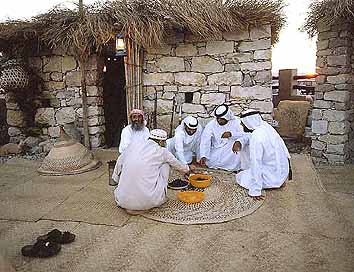
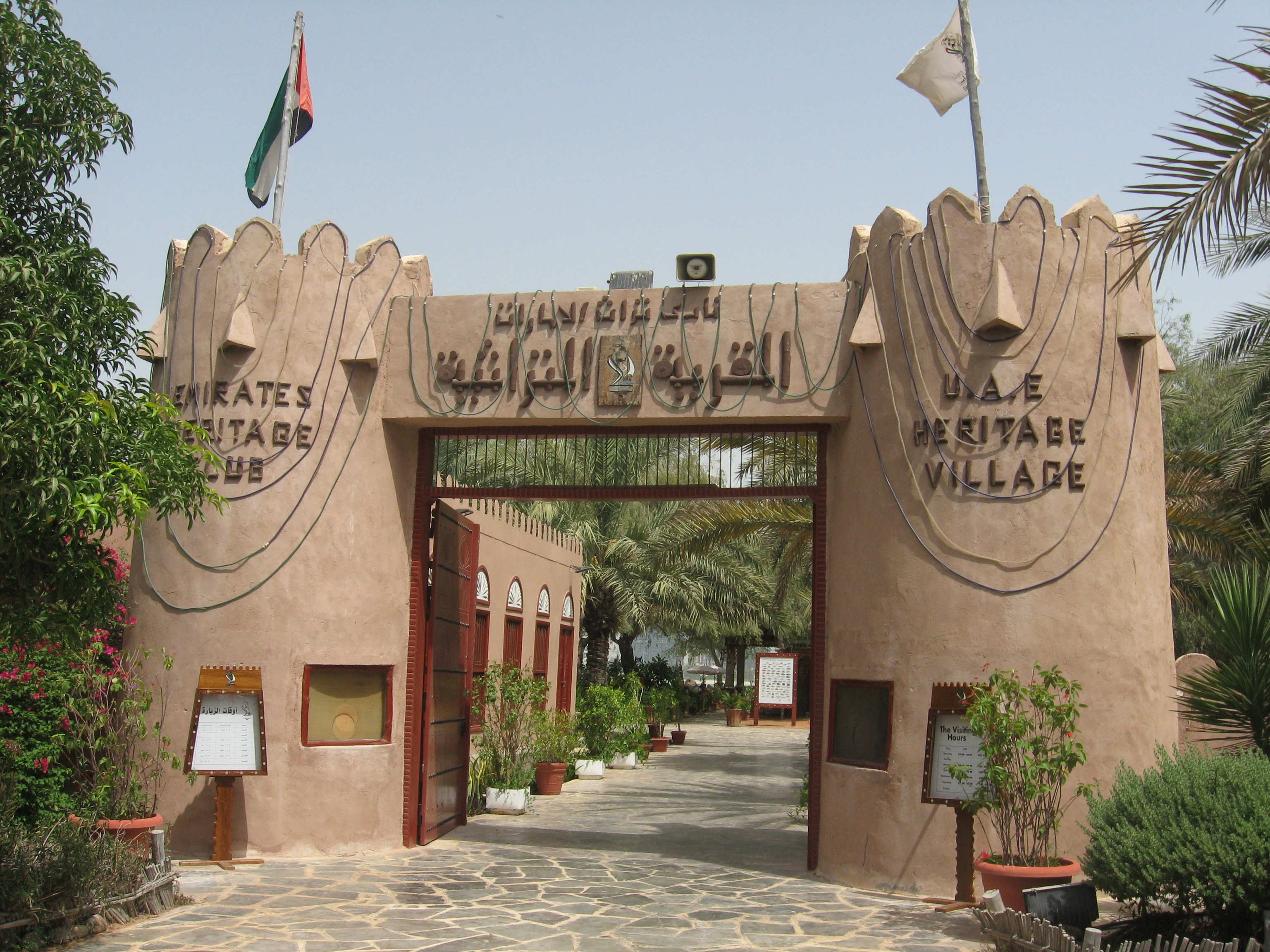
Dubai’s Heritage and Diving Village may look fake and touristy, but it provides about as close a glimpse as you will get of the days when pearl-trading and smuggling were the tiny emirate’s main revenues. The centre’s flat, sand-coloured houses with traditional bastikiya (wind-towers) provide startling contrast to the ultra-modern buildings along Dubai Creek. The Heritage Village focuses on the UAE’s maritime past, trading activities and local history. There are several traditional shops, handicraft stores and exhibitions—you can also ride a camel. The Diving Village is a motley collection of pearl-diving artefacts and pictures of Dubai’s pearl divers and marine life. Some of the black and white photos are interesting, reflecting the tough life that many divers endured before scuba diving was invented. The Heritage Village is located near the mouth of Dubai Creek, the 14km stretch of water that separates the two parts of Dubai into Deira and Bur Dubai. Here visitors can look back in time and experience some of Dubai’s heritage, where traditional potters and weavers work and display their handicrafts. Abras (traditional wooden boats) cross the Creek, providing a delightful and scenic trip across the water. The Diving Village forms part of an ambitious plan to turn the entire Shindagha area into a cultural microcosm, recreating life in Dubai as it was in days gone by when pearl diving and fishing were central to Dubai’s economy and Dubai Creek became a central hub for trade in the region. A traditional heritage village, located near the mouth of the Creek, has been created where potters and weavers display their crafts. Here the visitor can look back in time and experience some of Dubai’s heritage. The Diving Village forms part of an ambitious plan to turn the entire Shindagha area into a cultural microcosm, recreating life in Dubai as it was in days gone by. The village provides a glimpse of Dubai’s traditional culture and lifestyle. The village features reconstructions of Dubai’s maritime past. Displays include a tented bedouin village with traditional weapons, chests and household utensils. Shops sell handicrafts and camel and donkey rides are sometimes available. Folk dance and music performances are staged from time to time. The village boasts a number of cafeterias and a seafood restaurant. Pearl diving, one of the oldest professions in the region, existed almost six to seven thousand years back. A pearl diving ship carried 10-60 people on board for an expedition. The team comprised a captain (Nokhaza), some divers, seeb, and other staff. The diver often risked his life to gather pearl studded oysters from the sea bed. He used to dive deep for more than two minutes to collect a handful of oysters. The season lasted only for six months starting from April because the Gulf waters during this season were warm and safe.

Trekking in Shimla

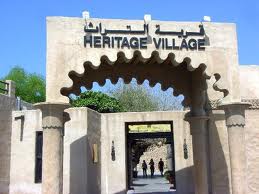
Heritage Village Entrance View

HistoryEdit

N.A.

Must SeeEdit

Popular

Visiting TimeEdit

8 am – 10 pm (Sat-Thu)
8 – 11 am & 4 – 10 pm (Friday)

Closed OnEdit

N.A.

Best Season to VisitEdit

November to April.

Best Time To VisitEdit

Morning, Afternoon & Evening.

Time Required for SightseeingEdit

2-3 Hours.

Ticket Required : No Edit

Individual National Adult  : N.A.

Kids : N.A.

Individual Foreigner Adult  : N.A.

Kids : N.A.

Still Photo Camera : N.A.

Video Camera  : N.A.

Guide Required : No Edit

Approximate cost: N.A.

Dress Code (If Any) : No Edit

Dress Require: N.A.

Restaurants NearbyAdd / Edit

How to ReachEdit

Taxi : Taxi is also easily available here, Most visitors will opt for public taxis from the airport, which are readily available just outside arrivals, which use the meter and start at AED 25. If you can’t find one otherwise, you can attempt to call a taxi at 04-2080808

Bus : The Government of Dubai operates a network of buses linking Dubai city with the capitals of the other six emirates of the UAE. The buses run under the name Emirates Express and operate from various bus terminals in Dubai. Buses operate every 40 minutes from 6.20am from both Dubai’s Al Ghubaibah bus station and Abu Dhabi’s main bus station. The two-hour journey cost AED 25. Frequent buses run between Dubai and Sharjah. There are several different routes and buses depart from various bus stations in Dubai including Al Karama, Gold Souq, Baniyas Square, Jebel Ali and Al Ittihad Square. Fares are at Dh7 .

Train : Dubai Metro is composed of at-grade elevated Type 1, Type 2 and Type 3 (T1, T2 and T3, respectively) underground stations (U) and underground transfer station types (UT). Type 1 is the regular at-grade concourse station, Type 2 is a regular elevated concourse station, and Type 3 is an elevated special track station with an extra track to hold a non operational train. Underground transfer stations will be accommodating both the Red and Green lines for easy transfers. Besides these differences, there are four themes used in the interiors of the stations: earth, water, fire and air. Earth stations have a tan-brown colour effects; water has blue-white colour effects; fire has orange-red colour effects; and the air has green colour effects. Single tickets range from Dh2-8.50, or double that for use of the “Gold” first class carriage. Train run every 3-5 minutes from 5:50 AM to Midnight every day except Thursday and Friday, when services are extended to 5:50 AM to 1 AM and limited to 1 PM to Midnight, respectively. All stations are air-conditioned and there’s a large network of feeder buses.

Air : Dubai International Airport (DXB), which is located about 2.5 miles southeast of Dubai, links the emirate to over 200 world destinations by 100 airlines operating about 5,600 flights every week. Terminal 1 of Dubai International Airport serves as a base for international flights while Terminal 3 exclusively caters for Emirates. Terminal 2 on the other hand, is mainly used by smaller airlines operating to Iran, Pakistan and Afghanistan. India can avail flight services from metropolitan cities like Delhi, Mumbai, Kolkata, Chennai, Ahmedabad and Bangalore. Besides Emirates, Jet Airways, Air India, Thai Airways and Indian Airlines are some of the major airlines serving travellers flying to Dubai from India. Most visitors will opt for public taxis from the airport, which are readily available just outside arrivals, which use the meter and start at Dhs 25. Taxis are on the left when you come out of terminal 1.
Airport telephone number: +971 (0) 4 224 5555

Others : By Boat : An easier way of crossing the Dubai Creek is by abra, essentially a small ferry. Abra stations are located along the Creek on both the Bur Dubai and Deira sides, and the system of filling the boats is remarkably efficient. The cross-river trip costs 1 Dirham (AED 1) per passenger, payable to the driver after the boat has left the station, and affords a very picturesque view of the city (not to be missed). Abras set off very regularly, and the service is available round-the-clock.
Waterbus : The Waterbus is another option for tourists who want to go by boat but avoid the abra crowd (or the heat). It is a part of Dubai’s public transport system, so again a Red ticket, or any Nol card is required for the journey. Can be purchased at the waterbus station. The waterbus also features a ‘tourist route’ round trip – while it is convenient, it can get quite expensive (Dh50 for an adult, Dh25 for a child).
By Car : There are a countless number of Rent-A-Cars that will provide a mode of transportation for very cheap rates and very little paperwork. An International Driving Permit is not necessarily required, but hire companies may not rent a car without one. Some agencies will hire out cars complete with drivers. Visitors taking advantage of this option will need to make certain that their driver knows his way around as many do not.

Things to CarryEdit

  • Carry camera.

Safety / WarningEdit

  • Never take a photograph with a person not in your travelling party in it without asking for permission first.
  • Public drunkenness is strictly prohibited, as is drinking and driving.
  • Dubai is in a Muslim country, clothing should be modest in order to respect local customs.

HelplineEdit

  • Police – 999 / 2292222
  • Fire Department – 997
  • Ambulance – 999

Gallery


View All Sight of Dubai... Click Here

Burj Al Arab Hotel
Burj Khalifa
Dubai Miracle Garden