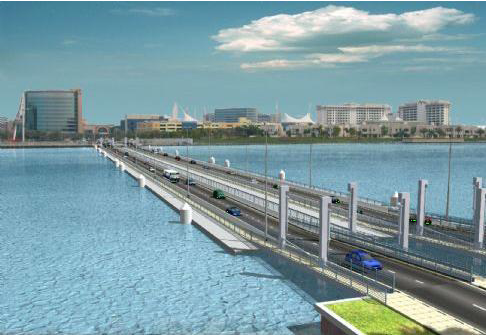
Author Archives: tourmet.

Burj Al Arab Aquarium

United Arab Emirates /Dubai /Dubai

Sight Address : Burj Al Arab Aquarium, Jumeirah Road, Um Suqeim 3 , Dubai.Edit

Detail InformationEdit

The largest is a stunning oval predatory shark tank measuring 13 meters long by 7.5 meters wide, which is the focal point of the sumptuous hotel restaurant. The two remaining aquariums in the hotel entry hall enhance its aquatic theme and upscale ambience to create a spectacular welcome. Designed to be enjoyed by lobby guests as well as diners, these aquariums are visible from both vantage points, while providing the privacy needed to enjoy a delectable meal at this luxury hotel with its definitive aquatic flair.
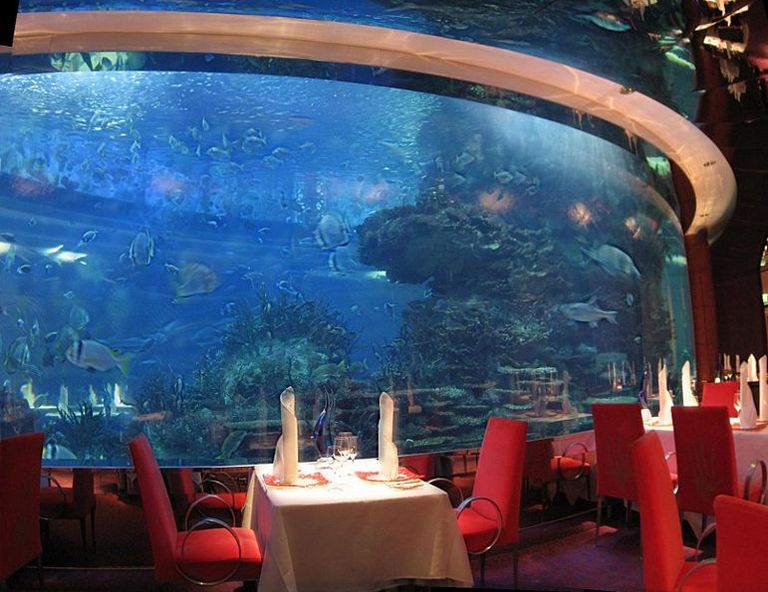
Burj Al Arab Aquarium, Dubai

Burj Al Arab Aquarium, Dubai

HistoryEdit

N.A.

Must SeeEdit

Attraction.

Visiting TimeEdit

N.A.

Closed OnEdit

N.A.

Best Season to VisitEdit

November to April.

Best Time To VisitEdit

N.A.

Time Required for SightseeingEdit

1-2 hrs.

Ticket Required : No Edit

Individual National Adult  : N.A.

Kids : N.A.

Individual Foreigner Adult  : N.A.

Kids : N.A.

Still Photo Camera : N.A.

Video Camera  : N.A.

Guide Required : No Edit

Approximate cost: N.A.

Dress Code (If Any) : No Edit

Dress Require: N.A.

Restaurants NearbyAdd / Edit

How to ReachEdit

Taxi : Taxi is also easily available here, Most visitors will opt for public taxis from the airport, which are readily available just outside arrivals, which use the meter and start at AED 25. If you can’t find one otherwise, you can attempt to call a taxi at 04-2080808

BUS : The Government of Dubai operates a network of buses linking Dubai city with the capitals of the other six emirates of the UAE. The buses run under the name Emirates Express and operate from various bus terminals in Dubai. Buses operate every 40 minutes from 6.20am from both Dubai’s Al Ghubaibah bus station and Abu Dhabi’s main bus station. The two-hour journey cost AED 25. Frequent buses run between Dubai and Sharjah. There are several different routes and buses depart from various bus stations in Dubai including Al Karama, Gold Souq, Baniyas Square, Jebel Ali and Al Ittihad Square. Fares are at Dh7 .

Train : Dubai Metro is composed of at-grade elevated Type 1, Type 2 and Type 3 (T1, T2 and T3, respectively) underground stations (U) and underground transfer station types (UT). Type 1 is the regular at-grade concourse station, Type 2 is a regular elevated concourse station, and Type 3 is an elevated special track station with an extra track to hold a non operational train. Underground transfer stations will be accommodating both the Red and Green lines for easy transfers. Besides these differences, there are four themes used in the interiors of the stations: earth, water, fire and air. Earth stations have a tan-brown colour effects; water has blue-white colour effects; fire has orange-red colour effects; and the air has green colour effects. Single tickets range from Dh2-8.50, or double that for use of the “Gold” first class carriage. Train run every 3-5 minutes from 5:50 AM to Midnight every day except Thursday and Friday, when services are extended to 5:50 AM to 1 AM and limited to 1 PM to Midnight, respectively. All stations are air-conditioned and there’s a large network of feeder buses.

Air : Dubai International Airport (DXB), which is located about 2.5 miles southeast of Dubai, links the emirate to over 200 world destinations by 100 airlines operating about 5,600 flights every week. Terminal 1 of Dubai International Airport serves as a base for international flights while Terminal 3 exclusively caters for Emirates. Terminal 2 on the other hand, is mainly used by smaller airlines operating to Iran, Pakistan and Afghanistan. India can avail flight services from metropolitan cities like Delhi, Mumbai, Kolkata, Chennai, Ahmedabad and Bangalore. Besides Emirates, Jet Airways, Air India, Thai Airways and Indian Airlines are some of the major airlines serving travellers flying to Dubai from India. Most visitors will opt for public taxis from the airport, which are readily available just outside arrivals, which use the meter and start at Dhs 25. Taxis are on the left when you come out of terminal 1.
Airport telephone number: +971 (0) 4 224 5555

Others : By Boat : An easier way of crossing the Dubai Creek is by abra, essentially a small ferry. Abra stations are located along the Creek on both the Bur Dubai and Deira sides, and the system of filling the boats is remarkably efficient. The cross-river trip costs 1 Dirham (AED 1) per passenger, payable to the driver after the boat has left the station, and affords a very picturesque view of the city (not to be missed). Abras set off very regularly, and the service is available round-the-clock.
By Waterbus : The Waterbus is another option for tourists who want to go by boat but avoid the abra crowd (or the heat). It is a part of Dubai’s public transport system, so again a Red ticket, or any Nol card is required for the journey. Can be purchased at the waterbus station. The waterbus also features a ‘tourist route’ round trip – while it is convenient, it can get quite expensive (Dh50 for an adult, Dh25 for a child).
By Car : There are a countless number of Rent-A-Cars that will provide a mode of transportation for very cheap rates and very little paperwork. An International Driving Permit is not necessarily required, but hire companies may not rent a car without one. Some agencies will hire out cars complete with drivers. Visitors taking advantage of this option will need to make certain that their driver knows his way around as many do not.

Things to CarryEdit

  • Carry camera.

Safety / WarningEdit

HelplineEdit

  • Police – 999 / 2292222
  • Fire Department – 997
  • Ambulance – 999

Gallery


View All Sight of Dubai... Click Here

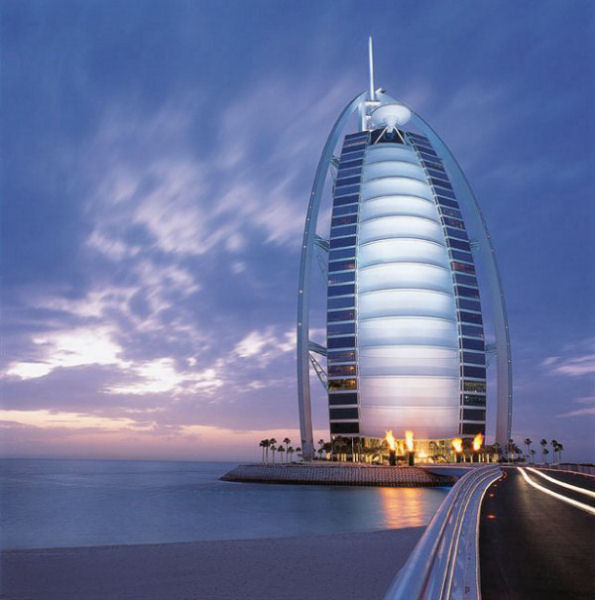
Burj Al Arab Hotel
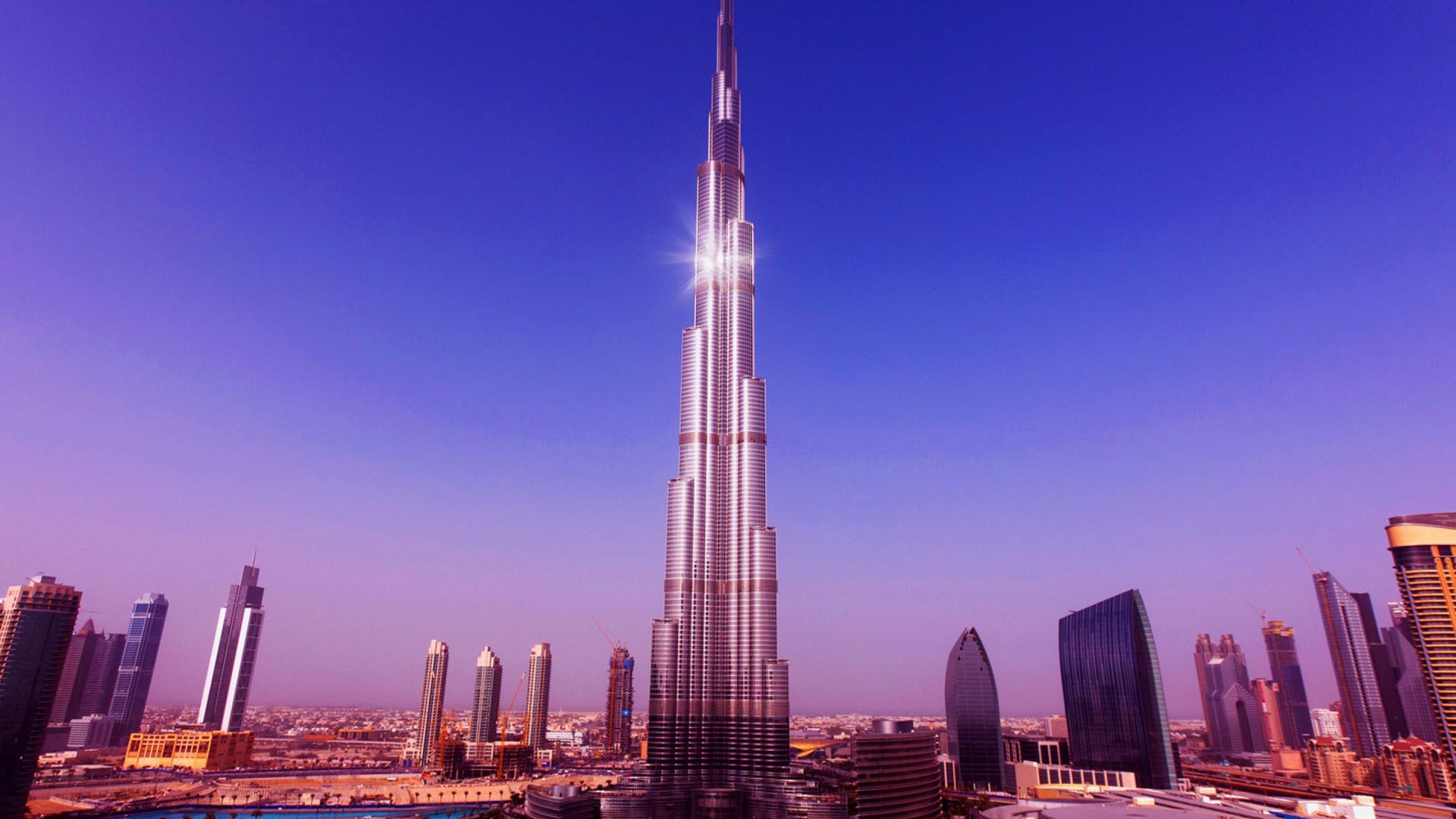
Burj Khalifa
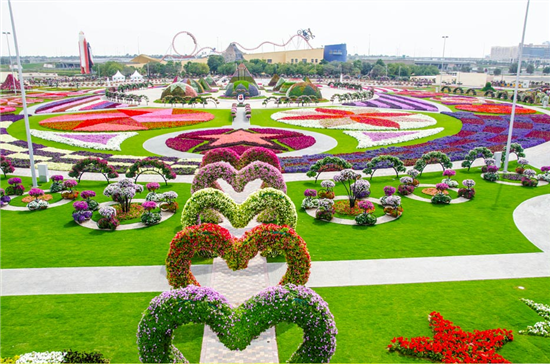
Dubai Miracle Garden

Dubai Mall Aquarium

United Arab Emirates /Dubai /Dubai

Sight Address : Dubai Aquarium is located inside the Dubai Mall. Edit

Detail InformationEdit

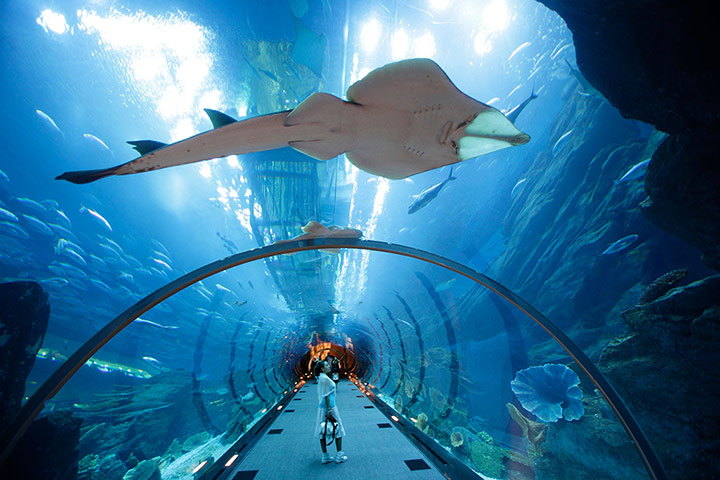
One of the largest tanks in the world, the Dubai Aquarium is located inside the Dubai Mall. The Dubai Aquarium is home to more than 33,000 living animals, including 400 sharks and rays and a close encounter via its acrylic walk through tunnel. The Underwater Zoo brings you face-to-face with piranha, giant catfish, otters and a penguin colony while walking through the Rainforest, Rocky Shore and Living environments.

Aquarium and underwater Zoo in the Dubai Mall

Aquarium and underwater Zoo in the Dubai Mall

HistoryEdit

N.A.

Must SeeEdit

Attraction.

Visiting TimeEdit

N.A.

Closed OnEdit

N.A.

Best Season to VisitEdit

November to April.

Best Time To VisitEdit

N.A.

Time Required for SightseeingEdit

More than 3 hours.

Ticket Required :Yes Edit

Individual National Adult  : Standard tickets cost AED 50 and The plantinum Aquarium package costs AED 75.

Kids : 3 yrs. Old enjoy free entry.

Individual Foreigner Adult  : N.A.

Kids : N.A.

Still Photo Camera : N.A.

Video Camera  : N.A.

Guide Required : NoEdit

Approximate cost: N.A.

Dress Code (If Any) : NoEdit

Dress Require: N.A.

Restaurants NearbyAdd / Edit

How to ReachEdit

Taxi : Taxi is also easily available here, Most visitors will opt for public taxis from the airport, which are readily available just outside arrivals, which use the meter and start at AED 25. If you can’t find one otherwise, you can attempt to call a taxi at 04-2080808

Bus : The Government of Dubai operates a network of buses linking Dubai city with the capitals of the other six emirates of the UAE. The buses run under the name Emirates Express and operate from various bus terminals in Dubai. Buses operate every 40 minutes from 6.20am from both Dubai’s Al Ghubaibah bus station and Abu Dhabi’s main bus station. The two-hour journey cost AED 25. Frequent buses run between Dubai and Sharjah. There are several different routes and buses depart from various bus stations in Dubai including Al Karama, Gold Souq, Baniyas Square, Jebel Ali and Al Ittihad Square. Fares are at Dh7 .

Train : Dubai Metro is composed of at-grade elevated Type 1, Type 2 and Type 3 (T1, T2 and T3, respectively) underground stations (U) and underground transfer station types (UT). Type 1 is the regular at-grade concourse station, Type 2 is a regular elevated concourse station, and Type 3 is an elevated special track station with an extra track to hold a non operational train. Underground transfer stations will be accommodating both the Red and Green lines for easy transfers. Besides these differences, there are four themes used in the interiors of the stations: earth, water, fire and air. Earth stations have a tan-brown colour effects; water has blue-white colour effects; fire has orange-red colour effects; and the air has green colour effects. Single tickets range from Dh2-8.50, or double that for use of the “Gold” first class carriage. Train run every 3-5 minutes from 5:50 AM to Midnight every day except Thursday and Friday, when services are extended to 5:50 AM to 1 AM and limited to 1 PM to Midnight, respectively. All stations are air-conditioned and there’s a large network of feeder buses.

Air : Dubai International Airport (DXB), which is located about 2.5 miles southeast of Dubai, links the emirate to over 200 world destinations by 100 airlines operating about 5,600 flights every week. Terminal 1 of Dubai International Airport serves as a base for international flights while Terminal 3 exclusively caters for Emirates. Terminal 2 on the other hand, is mainly used by smaller airlines operating to Iran, Pakistan and Afghanistan. India can avail flight services from metropolitan cities like Delhi, Mumbai, Kolkata, Chennai, Ahmedabad and Bangalore. Besides Emirates, Jet Airways, Air India, Thai Airways and Indian Airlines are some of the major airlines serving travellers flying to Dubai from India. Most visitors will opt for public taxis from the airport, which are readily available just outside arrivals, which use the meter and start at Dhs 25. Taxis are on the left when you come out of terminal 1.
Airport telephone number: +971 (0) 4 224 5555

Others : By Boat : An easier way of crossing the Dubai Creek is by abra, essentially a small ferry. Abra stations are located along the Creek on both the Bur Dubai and Deira sides, and the system of filling the boats is remarkably efficient. The cross-river trip costs 1 Dirham (AED 1) per passenger, payable to the driver after the boat has left the station, and affords a very picturesque view of the city (not to be missed). Abras set off very regularly, and the service is available round-the-clock.
By Waterbus : The Waterbus is another option for tourists who want to go by boat but avoid the abra crowd (or the heat). It is a part of Dubai’s public transport system, so again a Red ticket, or any Nol card is required for the journey. Can be purchased at the waterbus station. The waterbus also features a ‘tourist route’ round trip – while it is convenient, it can get quite expensive (Dh50 for an adult, Dh25 for a child).
By Car : There are a countless number of Rent-A-Cars that will provide a mode of transportation for very cheap rates and very little paperwork. An International Driving Permit is not necessarily required, but hire companies may not rent a car without one. Some agencies will hire out cars complete with drivers. Visitors taking advantage of this option will need to make certain that their driver knows his way around as many do not.

Things to CarryEdit

  • Carry camera.

Safety / WarningEdit

HelplineEdit

  • Police – 999 / 2292222
  • Fire Department – 997
  • Ambulance – 999

Gallery


View All Sight of Dubai... Click Here

Burj Al Arab Hotel
Burj Khalifa
Dubai Miracle Garden

Dubai Airport tunnel

United Arab Emirates /Dubai /Dubai

Sight Address :  N.A.Edit

Detail InformationEdit

N.A.

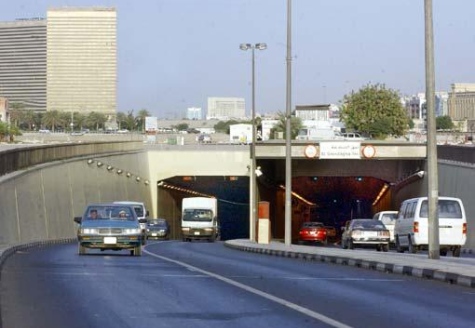
Dubai Airport tunnel, Dubai

Dubai Airport tunnel, Dubai

HistoryEdit

N.A.

Must SeeEdit

N.A.

Visiting TimeEdit

N.A.

Closed OnEdit

N.A.

Best Season to VisitEdit

N.A.

Best Time To VisitEdit

N.A.

Time Required for SightseeingEdit

30 Minutes Minimum.

Ticket Required : No Edit

Individual National Adult  : N.A.

Kids : N.A.

Individual Foreigner Adult  : N.A.

Kids : N.A.

Still Photo Camera : N.A.

Video Camera  : N.A.

Guide Required : No Edit

Approximate cost: N.A.

Dress Code (If Any) : No Edit

Dress Require: N.A.

Restaurants NearbyAdd / Edit

How to ReachEdit

Taxi : Taxi is also easily available here, Most visitors will opt for public taxis from the airport, which are readily available just outside arrivals, which use the meter and start at AED 25. If you can’t find one otherwise, you can attempt to call a taxi at 04-2080808

Bus : The Government of Dubai operates a network of buses linking Dubai city with the capitals of the other six emirates of the UAE. The buses run under the name Emirates Express and operate from various bus terminals in Dubai. Buses operate every 40 minutes from 6.20am from both Dubai’s Al Ghubaibah bus station and Abu Dhabi’s main bus station. The two-hour journey cost AED 25. Frequent buses run between Dubai and Sharjah. There are several different routes and buses depart from various bus stations in Dubai including Al Karama, Gold Souq, Baniyas Square, Jebel Ali and Al Ittihad Square. Fares are at Dh7 .

Train : Dubai Metro is composed of at-grade elevated Type 1, Type 2 and Type 3 (T1, T2 and T3, respectively) underground stations (U) and underground transfer station types (UT). Type 1 is the regular at-grade concourse station, Type 2 is a regular elevated concourse station, and Type 3 is an elevated special track station with an extra track to hold a non operational train. Underground transfer stations will be accommodating both the Red and Green lines for easy transfers. Besides these differences, there are four themes used in the interiors of the stations: earth, water, fire and air. Earth stations have a tan-brown colour effects; water has blue-white colour effects; fire has orange-red colour effects; and the air has green colour effects. Single tickets range from Dh2-8.50, or double that for use of the “Gold” first class carriage. Train run every 3-5 minutes from 5:50 AM to Midnight every day except Thursday and Friday, when services are extended to 5:50 AM to 1 AM and limited to 1 PM to Midnight, respectively. All stations are air-conditioned and there’s a large network of feeder buses.

Air : Dubai International Airport (DXB), which is located about 2.5 miles southeast of Dubai, links the emirate to over 200 world destinations by 100 airlines operating about 5,600 flights every week. Terminal 1 of Dubai International Airport serves as a base for international flights while Terminal 3 exclusively caters for Emirates. Terminal 2 on the other hand, is mainly used by smaller airlines operating to Iran, Pakistan and Afghanistan. India can avail flight services from metropolitan cities like Delhi, Mumbai, Kolkata, Chennai, Ahmedabad and Bangalore. Besides Emirates, Jet Airways, Air India, Thai Airways and Indian Airlines are some of the major airlines serving travellers flying to Dubai from India. Most visitors will opt for public taxis from the airport, which are readily available just outside arrivals, which use the meter and start at Dhs 25. Taxis are on the left when you come out of terminal 1.
Airport telephone number: +971 (0) 4 224 5555

Others : By Boat : An easier way of crossing the Dubai Creek is by abra, essentially a small ferry. Abra stations are located along the Creek on both the Bur Dubai and Deira sides, and the system of filling the boats is remarkably efficient. The cross-river trip costs 1 Dirham (AED 1) per passenger, payable to the driver after the boat has left the station, and affords a very picturesque view of the city (not to be missed). Abras set off very regularly, and the service is available round-the-clock.
By Waterbus : The Waterbus is another option for tourists who want to go by boat but avoid the abra crowd (or the heat). It is a part of Dubai’s public transport system, so again a Red ticket, or any Nol card is required for the journey. Can be purchased at the waterbus station. The waterbus also features a ‘tourist route’ round trip – while it is convenient, it can get quite expensive (Dh50 for an adult, Dh25 for a child).
By Car : There are a countless number of Rent-A-Cars that will provide a mode of transportation for very cheap rates and very little paperwork. An International Driving Permit is not necessarily required, but hire companies may not rent a car without one. Some agencies will hire out cars complete with drivers. Visitors taking advantage of this option will need to make certain that their driver knows his way around as many do not.

Things to CarryEdit

Safety / WarningEdit

HelplineEdit

Gallery


View All Sight of Dubai... Click Here

Burj Al Arab Hotel
Burj Khalifa
Dubai Miracle Garden

Al Shindagha Tunnel

United Arab Emirates /Dubai /Dubai

Sight Address : Al Shindagha Tunnel is located at Al Khaleej Road, dubai. Edit

Detail InformationEdit

Al Shindagha Tunnel (In Arabic: نفق الشندغة) is a tunnel in Dubai, United Arab Emirates. It goes under Dubai Creek to connect the neighborhoods of Al Ras, Deira and Al Shindagha. It is the only underwater crossing at Dubai Creek. The tunnel has a total of four lanes (two in each direction), a height clearance of 5 meters and speed is limited at 60 km/h. It opened in 1975.

Al Shindagha Tunnel, Dubai

Al Shindagha Tunnel, Dubai

HistoryEdit

N.A.

Must SeeEdit

Attraction.

Visiting TimeEdit

N.A.

Closed OnEdit

N.A.

Best Season to VisitEdit

November to April.

Best Time To VisitEdit

N.A.

Time Required for SightseeingEdit

30 Minutes Minimum.

Ticket Required : No Edit

Individual National Adult  : N.A.

Kids : N.A.

Individual Foreigner Adult  : N.A.

Kids : N.A.

Still Photo Camera : N.A.

Video Camera  : N.A.

Guide Required : No Edit

Approximate cost: N.A.

Dress Code (If Any) : No Edit

Dress Require: N.A.

Restaurants NearbyAdd / Edit

How to ReachEdit

Taxi : Taxi is also easily available here, Most visitors will opt for public taxis from the airport, which are readily available just outside arrivals, which use the meter and start at AED 25. If you can’t find one otherwise, you can attempt to call a taxi at 04-2080808

Bus : The Government of Dubai operates a network of buses linking Dubai city with the capitals of the other six emirates of the UAE. The buses run under the name Emirates Express and operate from various bus terminals in Dubai. Buses operate every 40 minutes from 6.20am from both Dubai’s Al Ghubaibah bus station and Abu Dhabi’s main bus station. The two-hour journey cost AED 25. Frequent buses run between Dubai and Sharjah. There are several different routes and buses depart from various bus stations in Dubai including Al Karama, Gold Souq, Baniyas Square, Jebel Ali and Al Ittihad Square. Fares are at Dh7 .

Train : Dubai Metro is composed of at-grade elevated Type 1, Type 2 and Type 3 (T1, T2 and T3, respectively) underground stations (U) and underground transfer station types (UT). Type 1 is the regular at-grade concourse station, Type 2 is a regular elevated concourse station, and Type 3 is an elevated special track station with an extra track to hold a non operational train. Underground transfer stations will be accommodating both the Red and Green lines for easy transfers. Besides these differences, there are four themes used in the interiors of the stations: earth, water, fire and air. Earth stations have a tan-brown colour effects; water has blue-white colour effects; fire has orange-red colour effects; and the air has green colour effects. Single tickets range from Dh2-8.50, or double that for use of the “Gold” first class carriage. Train run every 3-5 minutes from 5:50 AM to Midnight every day except Thursday and Friday, when services are extended to 5:50 AM to 1 AM and limited to 1 PM to Midnight, respectively. All stations are air-conditioned and there’s a large network of feeder buses.

Air : Dubai International Airport (DXB), which is located about 2.5 miles southeast of Dubai, links the emirate to over 200 world destinations by 100 airlines operating about 5,600 flights every week. Terminal 1 of Dubai International Airport serves as a base for international flights while Terminal 3 exclusively caters for Emirates. Terminal 2 on the other hand, is mainly used by smaller airlines operating to Iran, Pakistan and Afghanistan. India can avail flight services from metropolitan cities like Delhi, Mumbai, Kolkata, Chennai, Ahmedabad and Bangalore. Besides Emirates, Jet Airways, Air India, Thai Airways and Indian Airlines are some of the major airlines serving travellers flying to Dubai from India. Most visitors will opt for public taxis from the airport, which are readily available just outside arrivals, which use the meter and start at Dhs 25. Taxis are on the left when you come out of terminal 1.
Airport telephone number: +971 (0) 4 224 5555

Others : By Boat : An easier way of crossing the Dubai Creek is by abra, essentially a small ferry. Abra stations are located along the Creek on both the Bur Dubai and Deira sides, and the system of filling the boats is remarkably efficient. The cross-river trip costs 1 Dirham (AED 1) per passenger, payable to the driver after the boat has left the station, and affords a very picturesque view of the city (not to be missed). Abras set off very regularly, and the service is available round-the-clock.
By Waterbus : The Waterbus is another option for tourists who want to go by boat but avoid the abra crowd (or the heat). It is a part of Dubai’s public transport system, so again a Red ticket, or any Nol card is required for the journey. Can be purchased at the waterbus station. The waterbus also features a ‘tourist route’ round trip – while it is convenient, it can get quite expensive (Dh50 for an adult, Dh25 for a child).
By Car : There are a countless number of Rent-A-Cars that will provide a mode of transportation for very cheap rates and very little paperwork. An International Driving Permit is not necessarily required, but hire companies may not rent a car without one. Some agencies will hire out cars complete with drivers. Visitors taking advantage of this option will need to make certain that their driver knows his way around as many do not.

Things to CarryEdit

  • Carry camera.

Safety / WarningEdit

HelplineEdit

  • Police – 999 / 2292222
  • Fire Department – 997
  • Ambulance – 999

Gallery


View All Sight of Dubai... Click Here

Burj Al Arab Hotel
Burj Khalifa
Dubai Miracle Garden

Dubai Smile

United Arab Emirates /Dubai /Dubai

Sight Address : Dubai smile is situated on Al Itihad road, dubai. Edit

Detail InformationEdit

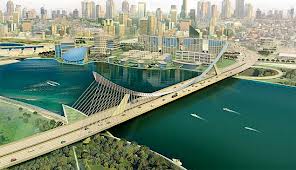
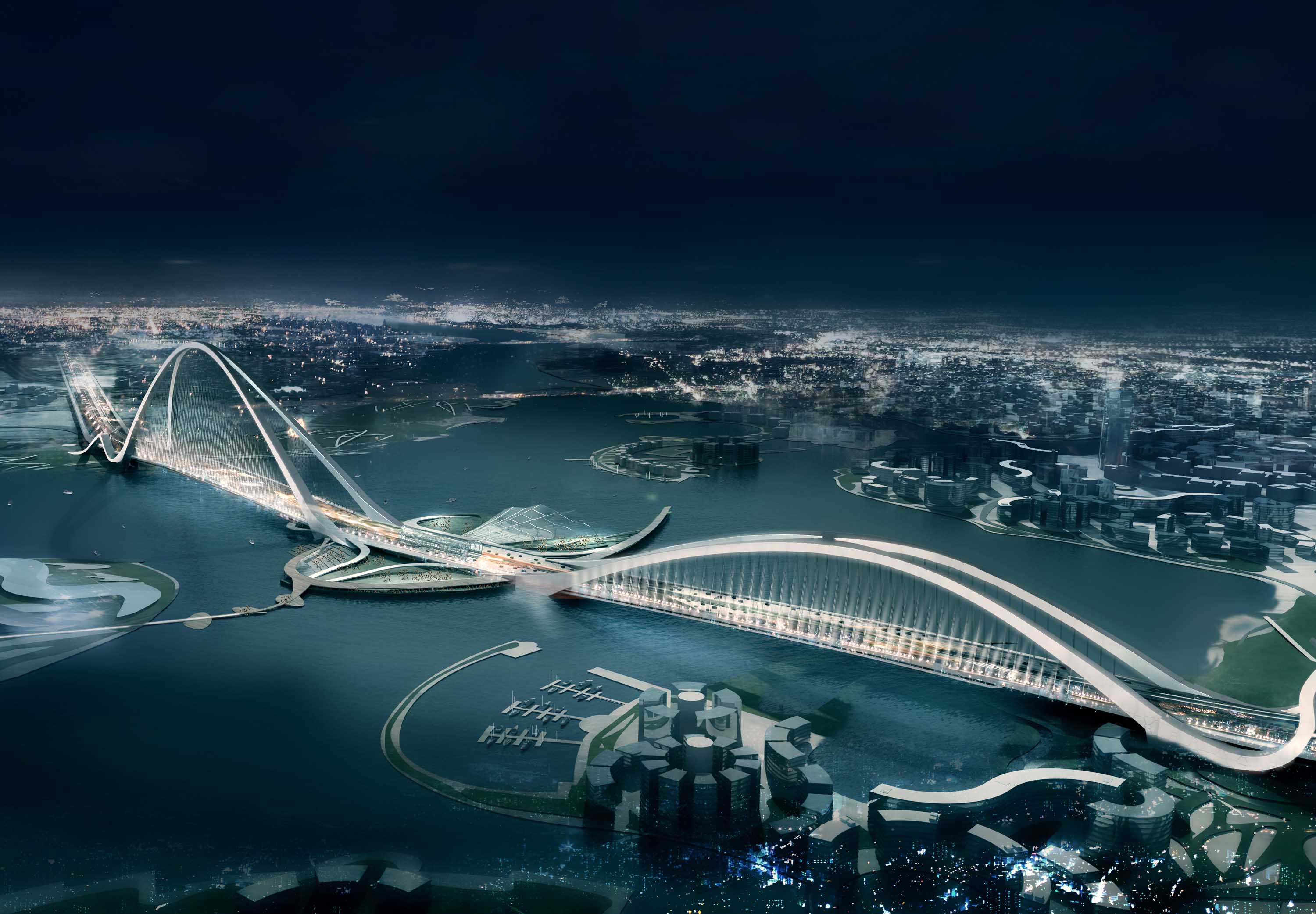
The Dubai Smile is the nickname given to a what will become, upon completion, the seventh crossing across the Dubai Creek. It will replace the temporary Floating Bridge, and will cost about Dhs810 million. The Smile consists of 12 lanes (6 lanes in each direction) and a footpath in each direction. The width of the bridge is about 61.6 m and the arch rises 100 m. The bridge can accommodate around 24,000 vehicles per hour, it shall rise 15 m above the water level of the Creek, and width of the waterway is 400 m. On the Bur Dubai side the bridge would also connect with a new underpass near Rashid Hospital, while on the Deira side the bridge would be linked with Al Ittihad Road for motorists travelling to Sharjah. The project is expected to be completed by 2012. However it was announced on November 6, 2009 that The Floating Bridge which was supposed to be replaced by Dubai smile will stay till 2014.

Dubai smile, Dubai

Dubai smile, Dubai

HistoryEdit

N.A.

Must SeeEdit

Attraction.

Visiting TimeEdit

N.A.

Closed OnEdit

N.A.

Best Season to VisitEdit

November to April.

Best Time To VisitEdit

N.A.

Time Required for SightseeingEdit

30 Minutes Minimum.

Ticket Required : No Edit

Individual National Adult  : N.A.

Kids : N.A.

Individual Foreigner Adult  : N.A.

Kids : N.A.

Still Photo Camera : N.A.

Video Camera  : N.A.

Guide Required : No Edit

Approximate cost: N.A.

Dress Code (If Any) : No Edit

Dress Require: N.A.

Restaurants NearbyAdd / Edit

How to ReachEdit

Taxi : Taxi is also easily available here, Most visitors will opt for public taxis from the airport, which are readily available just outside arrivals, which use the meter and start at AED 25. If you can’t find one otherwise, you can attempt to call a taxi at 04-2080808

Bus : The Government of Dubai operates a network of buses linking Dubai city with the capitals of the other six emirates of the UAE. The buses run under the name Emirates Express and operate from various bus terminals in Dubai. Buses operate every 40 minutes from 6.20am from both Dubai’s Al Ghubaibah bus station and Abu Dhabi’s main bus station. The two-hour journey cost AED 25. Frequent buses run between Dubai and Sharjah. There are several different routes and buses depart from various bus stations in Dubai including Al Karama, Gold Souq, Baniyas Square, Jebel Ali and Al Ittihad Square. Fares are at Dh7 .

Train : Dubai Metro is composed of at-grade elevated Type 1, Type 2 and Type 3 (T1, T2 and T3, respectively) underground stations (U) and underground transfer station types (UT). Type 1 is the regular at-grade concourse station, Type 2 is a regular elevated concourse station, and Type 3 is an elevated special track station with an extra track to hold a non operational train. Underground transfer stations will be accommodating both the Red and Green lines for easy transfers. Besides these differences, there are four themes used in the interiors of the stations: earth, water, fire and air. Earth stations have a tan-brown colour effects; water has blue-white colour effects; fire has orange-red colour effects; and the air has green colour effects. Single tickets range from Dh2-8.50, or double that for use of the “Gold” first class carriage. Train run every 3-5 minutes from 5:50 AM to Midnight every day except Thursday and Friday, when services are extended to 5:50 AM to 1 AM and limited to 1 PM to Midnight, respectively. All stations are air-conditioned and there’s a large network of feeder buses.

Air : Dubai International Airport (DXB), which is located about 2.5 miles southeast of Dubai, links the emirate to over 200 world destinations by 100 airlines operating about 5,600 flights every week. Terminal 1 of Dubai International Airport serves as a base for international flights while Terminal 3 exclusively caters for Emirates. Terminal 2 on the other hand, is mainly used by smaller airlines operating to Iran, Pakistan and Afghanistan. India can avail flight services from metropolitan cities like Delhi, Mumbai, Kolkata, Chennai, Ahmedabad and Bangalore. Besides Emirates, Jet Airways, Air India, Thai Airways and Indian Airlines are some of the major airlines serving travellers flying to Dubai from India. Most visitors will opt for public taxis from the airport, which are readily available just outside arrivals, which use the meter and start at Dhs 25. Taxis are on the left when you come out of terminal 1.
Airport telephone number: +971 (0) 4 224 5555

Others : By Boat : An easier way of crossing the Dubai Creek is by abra, essentially a small ferry. Abra stations are located along the Creek on both the Bur Dubai and Deira sides, and the system of filling the boats is remarkably efficient. The cross-river trip costs 1 Dirham (AED 1) per passenger, payable to the driver after the boat has left the station, and affords a very picturesque view of the city (not to be missed). Abras set off very regularly, and the service is available round-the-clock.
By Waterbus : The Waterbus is another option for tourists who want to go by boat but avoid the abra crowd (or the heat). It is a part of Dubai’s public transport system, so again a Red ticket, or any Nol card is required for the journey. Can be purchased at the waterbus station. The waterbus also features a ‘tourist route’ round trip – while it is convenient, it can get quite expensive (Dh50 for an adult, Dh25 for a child).
By Car : There are a countless number of Rent-A-Cars that will provide a mode of transportation for very cheap rates and very little paperwork. An International Driving Permit is not necessarily required, but hire companies may not rent a car without one. Some agencies will hire out cars complete with drivers. Visitors taking advantage of this option will need to make certain that their driver knows his way around as many do not.

Things to CarryEdit

  • Carry camera.

Safety / WarningEdit

HelplineEdit

  • Police – 999 / 2292222
  • Fire Department – 997
  • Ambulance – 999

Gallery


View All Sight of Dubai... Click Here

Burj Al Arab Hotel
Burj Khalifa
Dubai Miracle Garden

Sheikh Rashid bin Saeed Crossing

United Arab Emirates /Dubai /Dubai

Sight Address : Sheikh Rashid bin Saeed Crossing, also known as Sixth Crossing, is a future bridge, will link the localities of Al Jaddaf and Bur Dubai in Dubai.Edit

Detail InformationEdit

Sheikh Rashid bin Saeed Crossing, also known as Sixth Crossing, is a future bridge in Dubai, United Arab Emirates. If completed, it will become the world’s longest arch bridge, with a main span 667 metres (2,188 ft) long. The bridge’s overall length will be 1.6 kilometres (0.99 mi). The bridge will be 64 metres (210 ft) wide and will rise 15 metres (49 ft) above the water. The bridge, designed by FXFOWLE Architects, will cost AED 2.5 billion. It will a part of a AED 3 billion roads project near The Lagoons. The brdige is expected to be complete in 2015. The bridge will link the localities of Al Jaddaf and Bur Dubai. It will have six lanes of traffic in each direction and will be able to carry 20,000 vehicles per hour. In the center will be a track for Dubai Metro’s Green Line.

Sheikh Rashid bin Saeed Crossing, Dubai

Sheikh Rashid bin Saeed Crossing, Dubai

HistoryEdit

N.A.

Must SeeEdit

Attraction.

Visiting TimeEdit

N.A.

Closed OnEdit

N.A.

Best Season to VisitEdit

November to April.

Best Time To VisitEdit

N.A.

Time Required for SightseeingEdit

30 Minutes Minimum.

Ticket Required : No Edit

Individual National Adult  : N.A.

Kids : N.A.

Individual Foreigner Adult  : N.A.

Kids : N.A.

Still Photo Camera : N.A.

Video Camera  : N.A.

Guide Required : No Edit

Approximate cost: N.A.

Dress Code (If Any) : No Edit

Dress Require: N.A.

Restaurants NearbyAdd / Edit

How to ReachEdit

Taxi : Taxi is also easily available here, Most visitors will opt for public taxis from the airport, which are readily available just outside arrivals, which use the meter and start at AED 25. If you can’t find one otherwise, you can attempt to call a taxi at 04-2080808

Bus : The Government of Dubai operates a network of buses linking Dubai city with the capitals of the other six emirates of the UAE. The buses run under the name Emirates Express and operate from various bus terminals in Dubai. Buses operate every 40 minutes from 6.20am from both Dubai’s Al Ghubaibah bus station and Abu Dhabi’s main bus station. The two-hour journey cost AED 25. Frequent buses run between Dubai and Sharjah. There are several different routes and buses depart from various bus stations in Dubai including Al Karama, Gold Souq, Baniyas Square, Jebel Ali and Al Ittihad Square. Fares are at Dh7 .

Train : Dubai Metro is composed of at-grade elevated Type 1, Type 2 and Type 3 (T1, T2 and T3, respectively) underground stations (U) and underground transfer station types (UT). Type 1 is the regular at-grade concourse station, Type 2 is a regular elevated concourse station, and Type 3 is an elevated special track station with an extra track to hold a non operational train. Underground transfer stations will be accommodating both the Red and Green lines for easy transfers. Besides these differences, there are four themes used in the interiors of the stations: earth, water, fire and air. Earth stations have a tan-brown colour effects; water has blue-white colour effects; fire has orange-red colour effects; and the air has green colour effects. Single tickets range from Dh2-8.50, or double that for use of the “Gold” first class carriage. Train run every 3-5 minutes from 5:50 AM to Midnight every day except Thursday and Friday, when services are extended to 5:50 AM to 1 AM and limited to 1 PM to Midnight, respectively. All stations are air-conditioned and there’s a large network of feeder buses.

Air : Dubai International Airport (DXB), which is located about 2.5 miles southeast of Dubai, links the emirate to over 200 world destinations by 100 airlines operating about 5,600 flights every week. Terminal 1 of Dubai International Airport serves as a base for international flights while Terminal 3 exclusively caters for Emirates. Terminal 2 on the other hand, is mainly used by smaller airlines operating to Iran, Pakistan and Afghanistan. India can avail flight services from metropolitan cities like Delhi, Mumbai, Kolkata, Chennai, Ahmedabad and Bangalore. Besides Emirates, Jet Airways, Air India, Thai Airways and Indian Airlines are some of the major airlines serving travellers flying to Dubai from India. Most visitors will opt for public taxis from the airport, which are readily available just outside arrivals, which use the meter and start at Dhs 25. Taxis are on the left when you come out of terminal 1.
Airport telephone number: +971 (0) 4 224 5555

Others : By Boat : An easier way of crossing the Dubai Creek is by abra, essentially a small ferry. Abra stations are located along the Creek on both the Bur Dubai and Deira sides, and the system of filling the boats is remarkably efficient. The cross-river trip costs 1 Dirham (AED 1) per passenger, payable to the driver after the boat has left the station, and affords a very picturesque view of the city (not to be missed). Abras set off very regularly, and the service is available round-the-clock.
By Waterbus : The Waterbus is another option for tourists who want to go by boat but avoid the abra crowd (or the heat). It is a part of Dubai’s public transport system, so again a Red ticket, or any Nol card is required for the journey. Can be purchased at the waterbus station. The waterbus also features a ‘tourist route’ round trip – while it is convenient, it can get quite expensive (Dh50 for an adult, Dh25 for a child).
By Car : There are a countless number of Rent-A-Cars that will provide a mode of transportation for very cheap rates and very little paperwork. An International Driving Permit is not necessarily required, but hire companies may not rent a car without one. Some agencies will hire out cars complete with drivers. Visitors taking advantage of this option will need to make certain that their driver knows his way around as many do not.

Things to CarryEdit

  • Carry camera.

Safety / WarningEdit

HelplineEdit

  • Police – 999 / 2292222
  • Fire Department – 997
  • Ambulance – 999

Gallery


View All Sight of Dubai... Click Here

Burj Al Arab Hotel
Burj Khalifa
Dubai Miracle Garden

Business Bay Crossing

United Arab Emirates /Dubai /Dubai

Sight Address : Business Bay Crossing is located some 1.5 km South of Al Garhoud Bridge near Dubai Festival City.Edit

Detail InformationEdit

The 13 lane Business Bay Crossing (In Arabic: معبر الخليج التجاري; also known as the Ras Al Khor Bridge (جسر راس الخور)) is one of the most recent bridges across Dubai Creek and was opened to traffic in June 2007. Six lanes travel from Deira to Bur Dubai while seven go from Bur Dubai to Deira. The Business Bay Crossing is located some 1.5 km South of Al Garhoud Bridge near Dubai Festival City and provides a new road corridor to motorists travelling between Bur Dubai and Deira and to Sharjah, in addition to Emirates Road and Sheikh Zayed Road. The bridge cost 800 million dirhams and has a capacity of 26,000 vehicles per hour. The bridge is 1.6 kilometres (0.99 mi) long, and has a maritime channel with a width of 60 metres (196.850 ft) and a height of 15 metres (49.212 ft). The bridge was built by Besix, a company which made some major bridges in Dubai

Business Bay Crossing, Dubai

Business Bay Crossing, Dubai

HistoryEdit

N.A.

Must SeeEdit

Attraction.

Visiting TimeEdit

N.A.

Closed OnEdit

N.A.

Best Season to VisitEdit

November to April.

Best Time To VisitEdit

N.A.

Time Required for SightseeingEdit

30 Minutes Minimum.

Ticket Required : No Edit

Individual National Adult  : N.A.

Kids : N.A.

Individual Foreigner Adult  : N.A.

Kids : N.A.

Still Photo Camera : N.A.

Video Camera  : N.A.

Guide Required : No Edit

Approximate cost: N.A.

Dress Code (If Any) : No Edit

Dress Require: N.A.

Restaurants NearbyAdd / Edit

How to ReachEdit

Taxi : Taxi is also easily available here, Most visitors will opt for public taxis from the airport, which are readily available just outside arrivals, which use the meter and start at AED 25. If you can’t find one otherwise, you can attempt to call a taxi at 04-2080808

Bus : The Government of Dubai operates a network of buses linking Dubai city with the capitals of the other six emirates of the UAE. The buses run under the name Emirates Express and operate from various bus terminals in Dubai. Buses operate every 40 minutes from 6.20am from both Dubai’s Al Ghubaibah bus station and Abu Dhabi’s main bus station. The two-hour journey cost AED 25. Frequent buses run between Dubai and Sharjah. There are several different routes and buses depart from various bus stations in Dubai including Al Karama, Gold Souq, Baniyas Square, Jebel Ali and Al Ittihad Square. Fares are at Dh7 .

Train : Dubai Metro is composed of at-grade elevated Type 1, Type 2 and Type 3 (T1, T2 and T3, respectively) underground stations (U) and underground transfer station types (UT). Type 1 is the regular at-grade concourse station, Type 2 is a regular elevated concourse station, and Type 3 is an elevated special track station with an extra track to hold a non operational train. Underground transfer stations will be accommodating both the Red and Green lines for easy transfers. Besides these differences, there are four themes used in the interiors of the stations: earth, water, fire and air. Earth stations have a tan-brown colour effects; water has blue-white colour effects; fire has orange-red colour effects; and the air has green colour effects. Single tickets range from Dh2-8.50, or double that for use of the “Gold” first class carriage. Train run every 3-5 minutes from 5:50 AM to Midnight every day except Thursday and Friday, when services are extended to 5:50 AM to 1 AM and limited to 1 PM to Midnight, respectively. All stations are air-conditioned and there’s a large network of feeder buses.

Air : Dubai International Airport (DXB), which is located about 2.5 miles southeast of Dubai, links the emirate to over 200 world destinations by 100 airlines operating about 5,600 flights every week. Terminal 1 of Dubai International Airport serves as a base for international flights while Terminal 3 exclusively caters for Emirates. Terminal 2 on the other hand, is mainly used by smaller airlines operating to Iran, Pakistan and Afghanistan. India can avail flight services from metropolitan cities like Delhi, Mumbai, Kolkata, Chennai, Ahmedabad and Bangalore. Besides Emirates, Jet Airways, Air India, Thai Airways and Indian Airlines are some of the major airlines serving travellers flying to Dubai from India. Most visitors will opt for public taxis from the airport, which are readily available just outside arrivals, which use the meter and start at Dhs 25. Taxis are on the left when you come out of terminal 1.
Airport telephone number: +971 (0) 4 224 5555

Others : By Boat : An easier way of crossing the Dubai Creek is by abra, essentially a small ferry. Abra stations are located along the Creek on both the Bur Dubai and Deira sides, and the system of filling the boats is remarkably efficient. The cross-river trip costs 1 Dirham (AED 1) per passenger, payable to the driver after the boat has left the station, and affords a very picturesque view of the city (not to be missed). Abras set off very regularly, and the service is available round-the-clock.
By Waterbus : The Waterbus is another option for tourists who want to go by boat but avoid the abra crowd (or the heat). It is a part of Dubai’s public transport system, so again a Red ticket, or any Nol card is required for the journey. Can be purchased at the waterbus station. The waterbus also features a ‘tourist route’ round trip – while it is convenient, it can get quite expensive (Dh50 for an adult, Dh25 for a child).
By Car : There are a countless number of Rent-A-Cars that will provide a mode of transportation for very cheap rates and very little paperwork. An International Driving Permit is not necessarily required, but hire companies may not rent a car without one. Some agencies will hire out cars complete with drivers. Visitors taking advantage of this option will need to make certain that their driver knows his way around as many do not.

Things to CarryEdit

  • Carry camera.

Safety / WarningEdit

HelplineEdit

  • Police – 999 / 2292222
  • Fire Department – 997
  • Ambulance – 999

Gallery


View All Sight of Dubai... Click Here

Burj Al Arab Hotel
Burj Khalifa
Dubai Miracle Garden

Al Garhoud Bridge

United Arab Emirates /Dubai /Dubai

Sight Address : Al Garhoud Bridge is situated on sheikh rashid road, dubai. Edit

Detail InformationEdit

Al Garhoud Bridge (In Arabic: جسر القرهود) is one of four road bridges over Dubai Creek, and one of five crossing, in Dubai, United Arab Emirates. Al Garhoud Bridge forms the eastern end of the road toll (called Salik) that went into effect on 1 July 2007. Since the beginning of Salik, Al Garhoud Bridge has seen low amounts of traffic for Dubai. The old Al Garhoud Bridge was the second bridge constructed that crossed the Creek, after Al Maktoum Bridge. The bridge opened in 1976. In 2007, nearly 9,000 vehicles crossed the bridge every hour at peak flow.It has been the cause of huge traffic jams in Dubai. The main reason for this was the number of roads that fed into the bridge. On the Bur Dubai-bound lanes, seven lanes (from three different roads) convergeed into three lanes. For the Deira-bound lanes, five lanes converged into three lanes. Also, the bridge had to be closed to allow large boats to pass under it. The bridge had a total of 6 lanes: 3 lanes in each direction. To solve the major traffic problems caused by the old bridge, a replacement was constructed in 2008. The bridge, which cost 415 million dirhams, is meant to add more lanes of road that cross Dubai Creek. The new Al Garhoud Bridge has a total of 14 lanes, 7 in each direction.It is able to handle 16,000 vehicles per hour. Construction of the bridge began in February 2006 and by 26 September 2007, 76% of the construction was completed. The bridge is 520 metres (1,706 ft) long and 16 metres (52.5 ft) above the water. On 15 December 2007, four lanes on the Deira-bound side were opened to vehicle traffic. Then on 15 March 2008, as had been scheduled,[2] remaining lanes on both sides were opened. The old bridge was demolished after the new bridge opened. Shortly after the bridge opened, the Roads and Transport Authority announced that Al Garhoud Bridge would be decorated with artwork that look like sand dunes during the day and waves at night with the aid of lighting.

Al Garhoud Bridge, Dubai

Al Garhoud Bridge, Dubai

HistoryEdit

N.A.

Must SeeEdit

Attraction.

Visiting TimeEdit

N.A.

Closed OnEdit

N.A.

Best Season to VisitEdit

November to April

Best Time To VisitEdit

N.A.

Time Required for SightseeingEdit

30 Minutes Minimum.

Ticket Required : No Edit

Individual National Adult  : N.A.

Kids : N.A.

Individual Foreigner Adult  : N.A.

Kids : N.A.

Still Photo Camera : N.A.

Video Camera  : N.A.

Guide Required : No Edit

Approximate cost: N.A.

Dress Code (If Any) : No Edit

Dress Require: N.A.

Restaurants NearbyAdd / Edit

How to ReachEdit

Taxi : Taxi is also easily available here, Most visitors will opt for public taxis from the airport, which are readily available just outside arrivals, which use the meter and start at AED 25. If you can’t find one otherwise, you can attempt to call a taxi at 04-2080808

Bus : The Government of Dubai operates a network of buses linking Dubai city with the capitals of the other six emirates of the UAE. The buses run under the name Emirates Express and operate from various bus terminals in Dubai. Buses operate every 40 minutes from 6.20am from both Dubai’s Al Ghubaibah bus station and Abu Dhabi’s main bus station. The two-hour journey cost AED 25. Frequent buses run between Dubai and Sharjah. There are several different routes and buses depart from various bus stations in Dubai including Al Karama, Gold Souq, Baniyas Square, Jebel Ali and Al Ittihad Square. Fares are at Dh7 .

Train : Dubai Metro is composed of at-grade elevated Type 1, Type 2 and Type 3 (T1, T2 and T3, respectively) underground stations (U) and underground transfer station types (UT). Type 1 is the regular at-grade concourse station, Type 2 is a regular elevated concourse station, and Type 3 is an elevated special track station with an extra track to hold a non operational train. Underground transfer stations will be accommodating both the Red and Green lines for easy transfers. Besides these differences, there are four themes used in the interiors of the stations: earth, water, fire and air. Earth stations have a tan-brown colour effects; water has blue-white colour effects; fire has orange-red colour effects; and the air has green colour effects. Single tickets range from Dh2-8.50, or double that for use of the “Gold” first class carriage. Train run every 3-5 minutes from 5:50 AM to Midnight every day except Thursday and Friday, when services are extended to 5:50 AM to 1 AM and limited to 1 PM to Midnight, respectively. All stations are air-conditioned and there’s a large network of feeder buses.

Air : Dubai International Airport (DXB), which is located about 2.5 miles southeast of Dubai, links the emirate to over 200 world destinations by 100 airlines operating about 5,600 flights every week. Terminal 1 of Dubai International Airport serves as a base for international flights while Terminal 3 exclusively caters for Emirates. Terminal 2 on the other hand, is mainly used by smaller airlines operating to Iran, Pakistan and Afghanistan. India can avail flight services from metropolitan cities like Delhi, Mumbai, Kolkata, Chennai, Ahmedabad and Bangalore. Besides Emirates, Jet Airways, Air India, Thai Airways and Indian Airlines are some of the major airlines serving travellers flying to Dubai from India. Most visitors will opt for public taxis from the airport, which are readily available just outside arrivals, which use the meter and start at Dhs 25. Taxis are on the left when you come out of terminal 1.
Airport telephone number: +971 (0) 4 224 5555

Others : By Boat : An easier way of crossing the Dubai Creek is by abra, essentially a small ferry. Abra stations are located along the Creek on both the Bur Dubai and Deira sides, and the system of filling the boats is remarkably efficient. The cross-river trip costs 1 Dirham (AED 1) per passenger, payable to the driver after the boat has left the station, and affords a very picturesque view of the city (not to be missed). Abras set off very regularly, and the service is available round-the-clock.
By Waterbus : The Waterbus is another option for tourists who want to go by boat but avoid the abra crowd (or the heat). It is a part of Dubai’s public transport system, so again a Red ticket, or any Nol card is required for the journey. Can be purchased at the waterbus station. The waterbus also features a ‘tourist route’ round trip – while it is convenient, it can get quite expensive (Dh50 for an adult, Dh25 for a child).
By Car : There are a countless number of Rent-A-Cars that will provide a mode of transportation for very cheap rates and very little paperwork. An International Driving Permit is not necessarily required, but hire companies may not rent a car without one. Some agencies will hire out cars complete with drivers. Visitors taking advantage of this option will need to make certain that their driver knows his way around as many do not.

Things to CarryEdit

  • Carry camera.

Safety / WarningEdit

HelplineEdit

  • Police – 999 / 2292222
  • Fire Department – 997
  • Ambulance – 999

Gallery


View All Sight of Dubai... Click Here

Burj Al Arab Hotel
Burj Khalifa
Dubai Miracle Garden

Floating Bridge, Dubai

United Arab Emirates /Dubai /Dubai

Sight Address : Al Maktoum Bridge is situated on Al Itihad road, dubai. Edit

Detail InformationEdit

Floating Bridge (Arabic: الجسر العائم‎) is a pontoon bridge (floating bridge) in Dubai, United Arab Emirates. It connects Riyadh Road, Dubai Courts and Creek Park on the Bur Dubai side with Baniyas Road, Deira City Centre and the Dubai Creek Golf & Yacht Club on the Deira side. Floating Bridge is the fifth crossing on Dubai Creek. The others are Al Shindagha Tunnel, Al Maktoum Bridge, Al Garhoud Bridge and Business Bay Crossing. The bridge, which cost 155 million dirhams to build and has a capacity of 6,000 vehicles an hour, was opened on 16 July 2007 with much fanfare. Opening only two weeks after the implementation of Salik, people were glad to have a fourth free crossing across Dubai Creek.

Floating Bridge, Dubai

Floating Bridge, Dubai

HistoryEdit

N.A.

Must SeeEdit

Attraction.

Visiting TimeEdit

N.A.

Closed OnEdit

N.A.

Best Season to VisitEdit

November to April.

Best Time To VisitEdit

N.A.

Time Required for SightseeingEdit

30 Minutes Minimum.

Ticket Required : No Edit

Individual National Adult  : N.A.

Kids : N.A.

Individual Foreigner Adult  : N.A.

Kids : N.A.

Still Photo Camera : N.A.

Video Camera  : N.A.

Guide Required : No Edit

Approximate cost: N.A.

Dress Code (If Any) : No Edit

Dress Require: N.A.

Restaurants NearbyAdd / Edit

How to ReachEdit

Taxi : Taxi is also easily available here, Most visitors will opt for public taxis from the airport, which are readily available just outside arrivals, which use the meter and start at AED 25. If you can’t find one otherwise, you can attempt to call a taxi at 04-2080808

Bus : The Government of Dubai operates a network of buses linking Dubai city with the capitals of the other six emirates of the UAE. The buses run under the name Emirates Express and operate from various bus terminals in Dubai. Buses operate every 40 minutes from 6.20am from both Dubai’s Al Ghubaibah bus station and Abu Dhabi’s main bus station. The two-hour journey cost AED 25. Frequent buses run between Dubai and Sharjah. There are several different routes and buses depart from various bus stations in Dubai including Al Karama, Gold Souq, Baniyas Square, Jebel Ali and Al Ittihad Square. Fares are at Dh7 .

Train : Dubai Metro is composed of at-grade elevated Type 1, Type 2 and Type 3 (T1, T2 and T3, respectively) underground stations (U) and underground transfer station types (UT). Type 1 is the regular at-grade concourse station, Type 2 is a regular elevated concourse station, and Type 3 is an elevated special track station with an extra track to hold a non operational train. Underground transfer stations will be accommodating both the Red and Green lines for easy transfers. Besides these differences, there are four themes used in the interiors of the stations: earth, water, fire and air. Earth stations have a tan-brown colour effects; water has blue-white colour effects; fire has orange-red colour effects; and the air has green colour effects. Single tickets range from Dh2-8.50, or double that for use of the “Gold” first class carriage. Train run every 3-5 minutes from 5:50 AM to Midnight every day except Thursday and Friday, when services are extended to 5:50 AM to 1 AM and limited to 1 PM to Midnight, respectively. All stations are air-conditioned and there’s a large network of feeder buses.

Air : Dubai International Airport (DXB), which is located about 2.5 miles southeast of Dubai, links the emirate to over 200 world destinations by 100 airlines operating about 5,600 flights every week. Terminal 1 of Dubai International Airport serves as a base for international flights while Terminal 3 exclusively caters for Emirates. Terminal 2 on the other hand, is mainly used by smaller airlines operating to Iran, Pakistan and Afghanistan. India can avail flight services from metropolitan cities like Delhi, Mumbai, Kolkata, Chennai, Ahmedabad and Bangalore. Besides Emirates, Jet Airways, Air India, Thai Airways and Indian Airlines are some of the major airlines serving travellers flying to Dubai from India. Most visitors will opt for public taxis from the airport, which are readily available just outside arrivals, which use the meter and start at Dhs 25. Taxis are on the left when you come out of terminal 1.
Airport telephone number: +971 (0) 4 224 5555

Others : By Boat : An easier way of crossing the Dubai Creek is by abra, essentially a small ferry. Abra stations are located along the Creek on both the Bur Dubai and Deira sides, and the system of filling the boats is remarkably efficient. The cross-river trip costs 1 Dirham (AED 1) per passenger, payable to the driver after the boat has left the station, and affords a very picturesque view of the city (not to be missed). Abras set off very regularly, and the service is available round-the-clock.
By Waterbus : The Waterbus is another option for tourists who want to go by boat but avoid the abra crowd (or the heat). It is a part of Dubai’s public transport system, so again a Red ticket, or any Nol card is required for the journey. Can be purchased at the waterbus station. The waterbus also features a ‘tourist route’ round trip – while it is convenient, it can get quite expensive (Dh50 for an adult, Dh25 for a child).
By Car : There are a countless number of Rent-A-Cars that will provide a mode of transportation for very cheap rates and very little paperwork. An International Driving Permit is not necessarily required, but hire companies may not rent a car without one. Some agencies will hire out cars complete with drivers. Visitors taking advantage of this option will need to make certain that their driver knows his way around as many do not.

Things to CarryEdit

  • Carry camera.

Safety / WarningEdit

HelplineEdit

  • Police – 999 / 2292222
  • Fire Department – 997
  • Ambulance – 999

Gallery


View All Sight of Dubai... Click Here

Burj Al Arab Hotel
Burj Khalifa
Dubai Miracle Garden

Al Maktoum Bridge

United Arab Emirates /Dubai /Dubai

Sight Address : Al Maktoum Bridge is situated on umm huraair road, Dubai. Edit

Detail InformationEdit

Al Maktoum Bridge is a bridge that crosses Dubai Creek in Dubai, United Arab Emirates. It is one of five crossings on the creek. The others are Al Shindagha Tunnel, Floating Bridge, Al Garhoud Bridge and Business Bay Crossing. Al Maktoum Bridge was the first bridge in Dubai. It opened in 1963. This bridge enabled people to cross from Bur Dubai to Deira, or vice versa, without using a boat ferry called Abra or going all the way around Dubai Creek. To pay for the bridge, a toll was applied to vehicles crossing the creek going from Deira to Bur Dubai. There was no toll for people travelling in the other direction. Once the bridge was fully paid for in 1973, the toll was removed. The bridge, and roads leading to it, underwent a widening in 2007. The bridge was widened to increase the bridge’s capacity and to ease congestion. The new lanes will open on 7 November 2007, and will increase the capacity to 9,500 vehicles per hour.The road toll (called Salik), was re-introduced on the Al Maktoum Bridge on 9 September 2008 for both directions. The toll will not be charged when the Floating Bridge is closed (from 10pm to 6am from Saturday to Thursday and from 10pm to 9am on Friday).

Al Maktoum Bridge, Dubai

Al Maktoum Bridge, Dubai

HistoryEdit

N.A.

Must SeeEdit

Attraction.

Visiting TimeEdit

N.A.

Closed OnEdit

N.A.

Best Season to VisitEdit

November to April.

Best Time To VisitEdit

N.A.

Time Required for SightseeingEdit

30 Minutes Minimum.

Ticket Required : No Edit

Individual National Adult  : N.A.

Kids : N.A.

Individual Foreigner Adult  : N.A.

Kids : N.A.

Still Photo Camera : N.A.

Video Camera  : N.A.

Guide Required : No Edit

Approximate cost: N.A.

Dress Code (If Any) : No Edit

Dress Require: N.A.

Restaurants NearbyAdd / Edit

How to ReachEdit

Taxi : Taxi is also easily available here, Most visitors will opt for public taxis from the airport, which are readily available just outside arrivals, which use the meter and start at AED 25. If you can’t find one otherwise, you can attempt to call a taxi at 04-2080808

Bus : The Government of Dubai operates a network of buses linking Dubai city with the capitals of the other six emirates of the UAE. The buses run under the name Emirates Express and operate from various bus terminals in Dubai. Buses operate every 40 minutes from 6.20am from both Dubai’s Al Ghubaibah bus station and Abu Dhabi’s main bus station. The two-hour journey cost AED 25. Frequent buses run between Dubai and Sharjah. There are several different routes and buses depart from various bus stations in Dubai including Al Karama, Gold Souq, Baniyas Square, Jebel Ali and Al Ittihad Square. Fares are at Dh7 .

Train : Dubai Metro is composed of at-grade elevated Type 1, Type 2 and Type 3 (T1, T2 and T3, respectively) underground stations (U) and underground transfer station types (UT). Type 1 is the regular at-grade concourse station, Type 2 is a regular elevated concourse station, and Type 3 is an elevated special track station with an extra track to hold a non operational train. Underground transfer stations will be accommodating both the Red and Green lines for easy transfers. Besides these differences, there are four themes used in the interiors of the stations: earth, water, fire and air. Earth stations have a tan-brown colour effects; water has blue-white colour effects; fire has orange-red colour effects; and the air has green colour effects. Single tickets range from Dh2-8.50, or double that for use of the “Gold” first class carriage. Train run every 3-5 minutes from 5:50 AM to Midnight every day except Thursday and Friday, when services are extended to 5:50 AM to 1 AM and limited to 1 PM to Midnight, respectively. All stations are air-conditioned and there’s a large network of feeder buses.

Air : Dubai International Airport (DXB), which is located about 2.5 miles southeast of Dubai, links the emirate to over 200 world destinations by 100 airlines operating about 5,600 flights every week. Terminal 1 of Dubai International Airport serves as a base for international flights while Terminal 3 exclusively caters for Emirates. Terminal 2 on the other hand, is mainly used by smaller airlines operating to Iran, Pakistan and Afghanistan. India can avail flight services from metropolitan cities like Delhi, Mumbai, Kolkata, Chennai, Ahmedabad and Bangalore. Besides Emirates, Jet Airways, Air India, Thai Airways and Indian Airlines are some of the major airlines serving travellers flying to Dubai from India. Most visitors will opt for public taxis from the airport, which are readily available just outside arrivals, which use the meter and start at Dhs 25. Taxis are on the left when you come out of terminal 1.
Airport telephone number: +971 (0) 4 224 5555

Others : By Boat : An easier way of crossing the Dubai Creek is by abra, essentially a small ferry. Abra stations are located along the Creek on both the Bur Dubai and Deira sides, and the system of filling the boats is remarkably efficient. The cross-river trip costs 1 Dirham (AED 1) per passenger, payable to the driver after the boat has left the station, and affords a very picturesque view of the city (not to be missed). Abras set off very regularly, and the service is available round-the-clock.
By Waterbus : The Waterbus is another option for tourists who want to go by boat but avoid the abra crowd (or the heat). It is a part of Dubai’s public transport system, so again a Red ticket, or any Nol card is required for the journey. Can be purchased at the waterbus station. The waterbus also features a ‘tourist route’ round trip – while it is convenient, it can get quite expensive (Dh50 for an adult, Dh25 for a child).
By Car : There are a countless number of Rent-A-Cars that will provide a mode of transportation for very cheap rates and very little paperwork. An International Driving Permit is not necessarily required, but hire companies may not rent a car without one. Some agencies will hire out cars complete with drivers. Visitors taking advantage of this option will need to make certain that their driver knows his way around as many do not.

Things to CarryEdit

  • Carry camera.

Safety / WarningEdit

HelplineEdit

  • Police – 999 / 2292222
  • Fire Department – 997
  • Ambulance – 999

Gallery


View All Sight of Dubai... Click Here

Burj Al Arab Hotel
Burj Khalifa
Dubai Miracle Garden