Author Archives: tourmet.

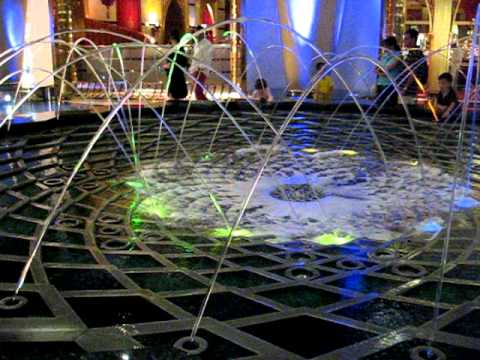
Fountains of Dubai Marina

United Arab Emirates /Dubai /Dubai

Sight Address : Fountains of Dubai Marina Walk, Dubai, United Arab Emirates.Edit

Detail InformationEdit

The vision of Dubai Marina is to create an awe-inspiring city-within-a city that delights residents with its cosmopolitan, free-spirited atmosphere and unique, invigorating lifestyle. It will be an urban centre on the water, comparable to the most exclusive waterfront developments in the world’s leading cities. Dubai Marina is unlike anywhere else in Dubai, the Middle East and even the world.
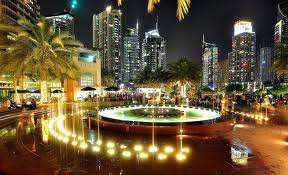
Fountains of Dubai Marina, Dubai

Fountains of Dubai Marina, Dubai

HistoryEdit

N.A.

Must SeeEdit

Attraction.

Visiting TimeEdit

N.A.

Closed OnEdit

N.A.

Best Season to VisitEdit

November to April.

Best Time To VisitEdit

N.A.

Time Required for SightseeingEdit

More than 1 hour.

Ticket Required : No Edit

Individual National Adult  : N.A.

Kids : N.A.

Individual Foreigner Adult  : N.A.

Kids : N.A.

Still Photo Camera : N.A.

Video Camera  : N.A.

Guide Required : No Edit

Approximate cost: N.A.

Dress Code (If Any) : No Edit

Dress Require: N.A.

Restaurants NearbyAdd / Edit

How to ReachEdit

Taxi : Taxi is also easily available here, Most visitors will opt for public taxis from the airport, which are readily available just outside arrivals, which use the meter and start at AED 25. If you can’t find one otherwise, you can attempt to call a taxi at 04-2080808

Bus : The Government of Dubai operates a network of buses linking Dubai city with the capitals of the other six emirates of the UAE. The buses run under the name Emirates Express and operate from various bus terminals in Dubai. Buses operate every 40 minutes from 6.20am from both Dubai’s Al Ghubaibah bus station and Abu Dhabi’s main bus station. The two-hour journey cost AED 25. Frequent buses run between Dubai and Sharjah. There are several different routes and buses depart from various bus stations in Dubai including Al Karama, Gold Souq, Baniyas Square, Jebel Ali and Al Ittihad Square. Fares are at Dh7 .

Train : Dubai Metro is composed of at-grade elevated Type 1, Type 2 and Type 3 (T1, T2 and T3, respectively) underground stations (U) and underground transfer station types (UT). Type 1 is the regular at-grade concourse station, Type 2 is a regular elevated concourse station, and Type 3 is an elevated special track station with an extra track to hold a non operational train. Underground transfer stations will be accommodating both the Red and Green lines for easy transfers. Besides these differences, there are four themes used in the interiors of the stations: earth, water, fire and air. Earth stations have a tan-brown colour effects; water has blue-white colour effects; fire has orange-red colour effects; and the air has green colour effects. Single tickets range from Dh2-8.50, or double that for use of the “Gold” first class carriage. Train run every 3-5 minutes from 5:50 AM to Midnight every day except Thursday and Friday, when services are extended to 5:50 AM to 1 AM and limited to 1 PM to Midnight, respectively. All stations are air-conditioned and there’s a large network of feeder buses.

Air : Dubai International Airport (DXB), which is located about 2.5 miles southeast of Dubai, links the emirate to over 200 world destinations by 100 airlines operating about 5,600 flights every week. Terminal 1 of Dubai International Airport serves as a base for international flights while Terminal 3 exclusively caters for Emirates. Terminal 2 on the other hand, is mainly used by smaller airlines operating to Iran, Pakistan and Afghanistan. India can avail flight services from metropolitan cities like Delhi, Mumbai, Kolkata, Chennai, Ahmedabad and Bangalore. Besides Emirates, Jet Airways, Air India, Thai Airways and Indian Airlines are some of the major airlines serving travellers flying to Dubai from India. Most visitors will opt for public taxis from the airport, which are readily available just outside arrivals, which use the meter and start at Dhs 25. Taxis are on the left when you come out of terminal 1.
Airport telephone number: +971 (0) 4 224 5555

Others : By Boat : An easier way of crossing the Dubai Creek is by abra, essentially a small ferry. Abra stations are located along the Creek on both the Bur Dubai and Deira sides, and the system of filling the boats is remarkably efficient. The cross-river trip costs 1 Dirham (AED 1) per passenger, payable to the driver after the boat has left the station, and affords a very picturesque view of the city (not to be missed). Abras set off very regularly, and the service is available round-the-clock.
By Waterbus : The Waterbus is another option for tourists who want to go by boat but avoid the abra crowd (or the heat). It is a part of Dubai’s public transport system, so again a Red ticket, or any Nol card is required for the journey. Can be purchased at the waterbus station. The waterbus also features a ‘tourist route’ round trip – while it is convenient, it can get quite expensive (Dh50 for an adult, Dh25 for a child).
By Car : There are a countless number of Rent-A-Cars that will provide a mode of transportation for very cheap rates and very little paperwork. An International Driving Permit is not necessarily required, but hire companies may not rent a car without one. Some agencies will hire out cars complete with drivers. Visitors taking advantage of this option will need to make certain that their driver knows his way around as many do not.

Things to CarryEdit

  • Carry camera.

Safety / WarningEdit

HelplineEdit

  • Police – 999 / 2292222
  • Fire Department – 997
  • Ambulance – 999

Gallery


View All Sight of Dubai... Click Here

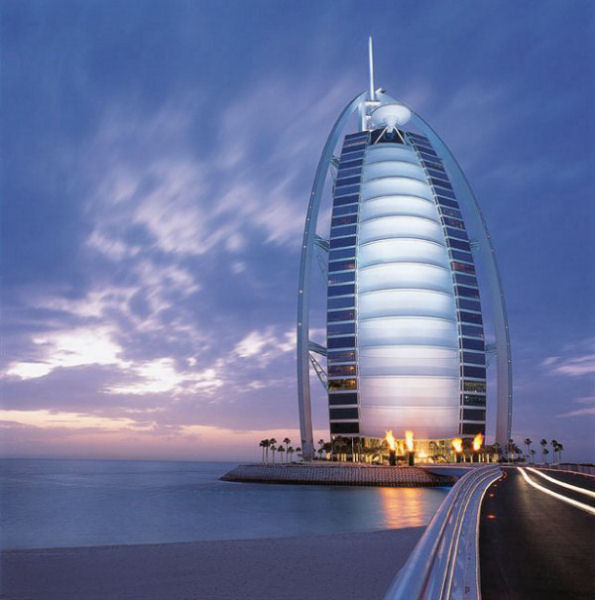
Burj Al Arab Hotel
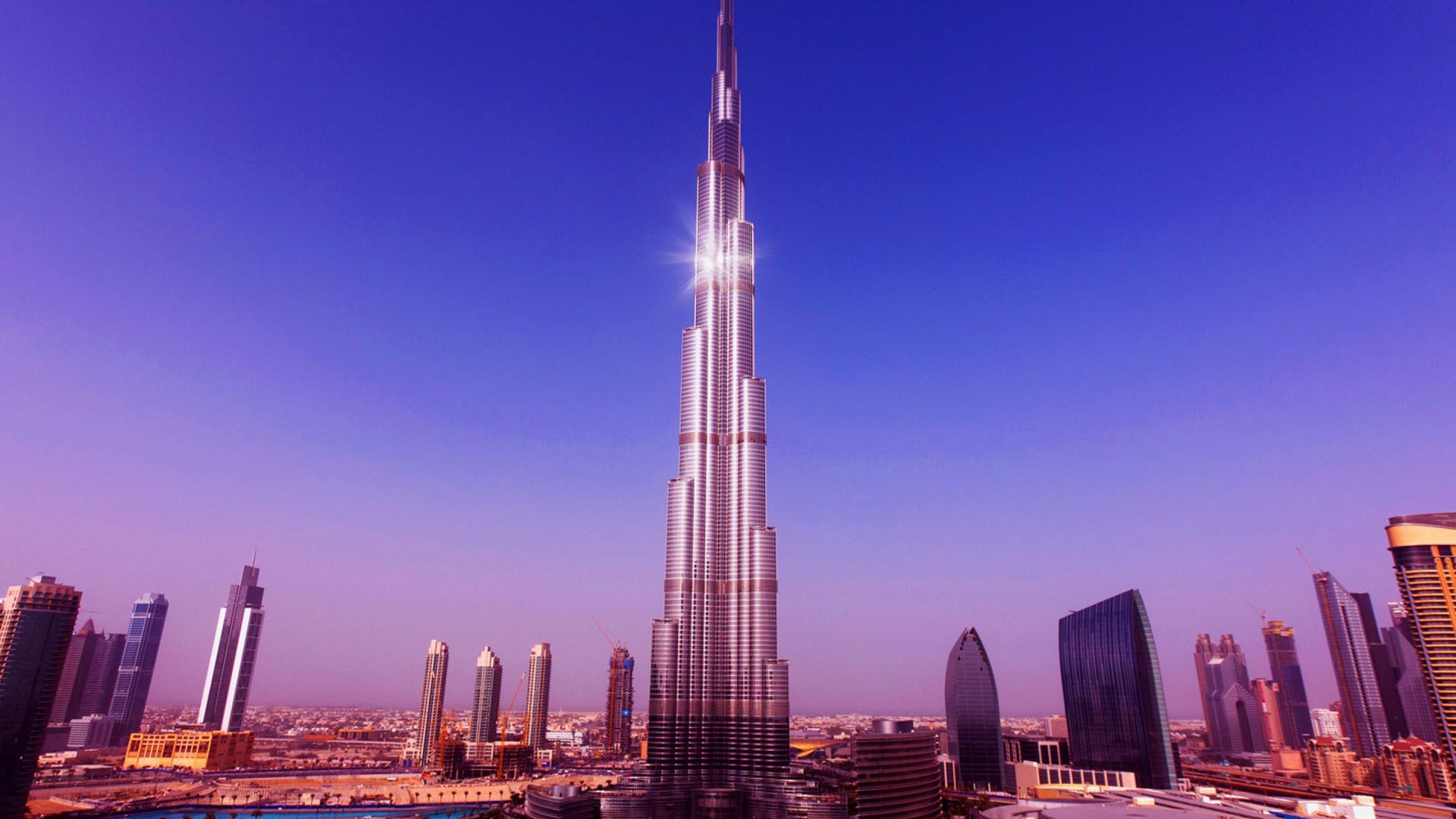
Burj Khalifa
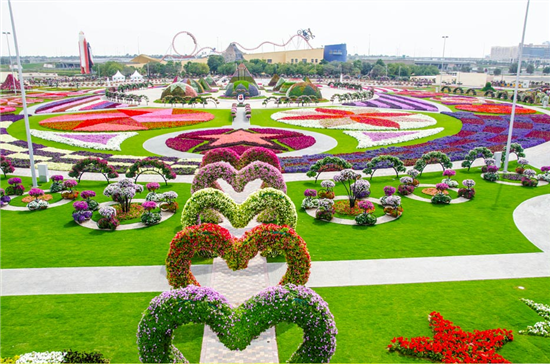
Dubai Miracle Garden

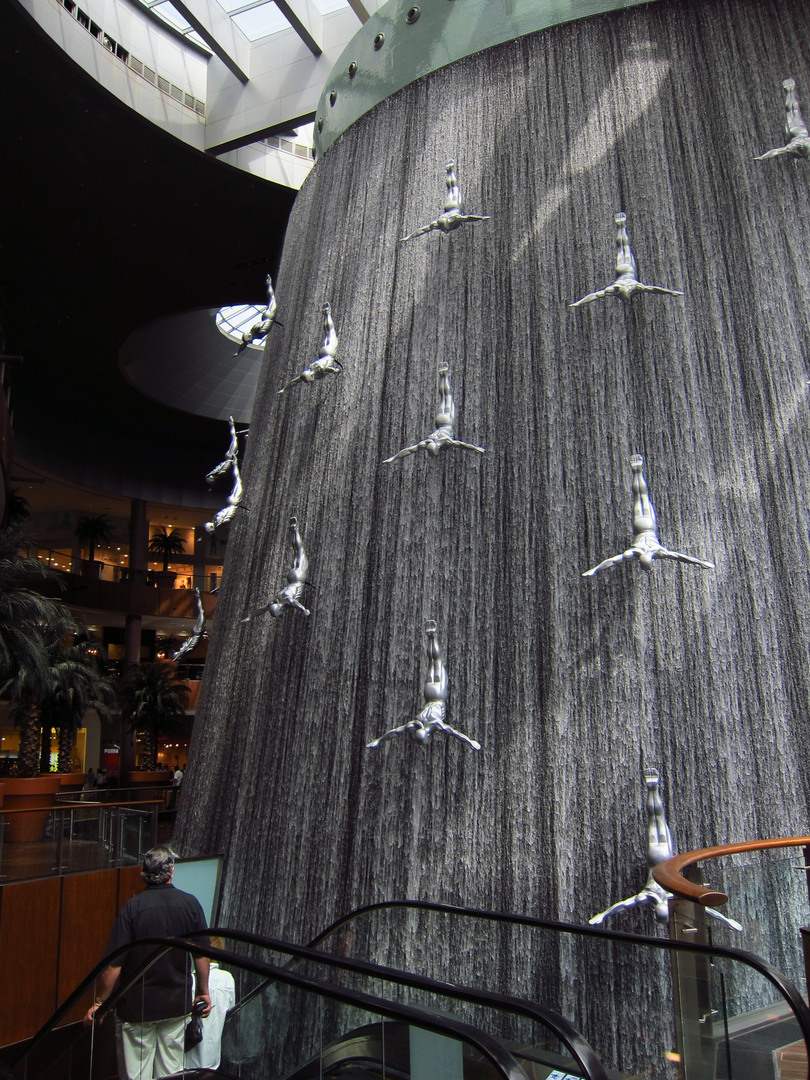
Fountains of Mall of Emirates

United Arab Emirates /Dubai /Dubai

Sight Address : Mall of the Emirates, Sheikh Zayed Road, Dubai. Edit

Detail InformationEdit

The Mall of the Emirates is a shopping mall in the Al Barsha district of Dubai, United Arab Emirates. It was developed by Majid Al Futtaim Properties under the leadership of its CEO, Peter Walichnowski, who was also the developer of “Bluewater” near London, Europe’s most successful shopping mall. The mall was designed by the American architectural firm, F+A Architects. Prior to the opening of the Dubai Mall (the world’s largest mall), the Mall of the Emirates was the second largest shopping mall in the Middle East, slightly smaller than City Stars mall. It contains approximately 2,400,000 square feet (220,000 m2) of shops and the entire mall forms a total of approximately 6,500,000 square feet (600,000 m2). on September 1, 2010 the new extension to the mall will open, adding more than 40 luxury stores.[1] In a global perspective, the World’s second largest shopping mall, the South China Mall in Dongguan, China, contains approximately 7,100,000 square feet (660,000 m2) of shopping space in a complex that totals approximately 9,600,000 square feet (890,000 m2). The Mall of the Emirates, saw overall footfall increase by an estimated 1.3 percent to 31 Million in 2010, and Dubai’s second biggest shopping centre hosted 30.6m visitors in 2009.

Fountains of Mall of Emirates

Fountains of Mall of Emirates

HistoryEdit

N.A.

Must SeeEdit

Attraction.

Visiting TimeEdit

N.A.

Closed OnEdit

N.A.

Best Season to VisitEdit

November to April.

Best Time To VisitEdit

N.A.

Time Required for SightseeingEdit

More than 1 hour.

Ticket Required : No Edit

Individual National Adult  : N.A.

Kids : N.A.

Individual Foreigner Adult  : N.A.

Kids : N.A.

Still Photo Camera : N.A.

Video Camera  : N.A.

Guide Required : No Edit

Approximate cost: N.A.

Dress Code (If Any) : No Edit

Dress Require: N.A.

Restaurants NearbyAdd / Edit

How to ReachEdit

Taxi : Taxi is also easily available here, Most visitors will opt for public taxis from the airport, which are readily available just outside arrivals, which use the meter and start at AED 25. If you can’t find one otherwise, you can attempt to call a taxi at 04-2080808

Bus : The Government of Dubai operates a network of buses linking Dubai city with the capitals of the other six emirates of the UAE. The buses run under the name Emirates Express and operate from various bus terminals in Dubai. Buses operate every 40 minutes from 6.20am from both Dubai’s Al Ghubaibah bus station and Abu Dhabi’s main bus station. The two-hour journey cost AED 25. Frequent buses run between Dubai and Sharjah. There are several different routes and buses depart from various bus stations in Dubai including Al Karama, Gold Souq, Baniyas Square, Jebel Ali and Al Ittihad Square. Fares are at Dh7 .

Train : Dubai Metro is composed of at-grade elevated Type 1, Type 2 and Type 3 (T1, T2 and T3, respectively) underground stations (U) and underground transfer station types (UT). Type 1 is the regular at-grade concourse station, Type 2 is a regular elevated concourse station, and Type 3 is an elevated special track station with an extra track to hold a non operational train. Underground transfer stations will be accommodating both the Red and Green lines for easy transfers. Besides these differences, there are four themes used in the interiors of the stations: earth, water, fire and air. Earth stations have a tan-brown colour effects; water has blue-white colour effects; fire has orange-red colour effects; and the air has green colour effects. Single tickets range from Dh2-8.50, or double that for use of the “Gold” first class carriage. Train run every 3-5 minutes from 5:50 AM to Midnight every day except Thursday and Friday, when services are extended to 5:50 AM to 1 AM and limited to 1 PM to Midnight, respectively. All stations are air-conditioned and there’s a large network of feeder buses.

Air : Dubai International Airport (DXB), which is located about 2.5 miles southeast of Dubai, links the emirate to over 200 world destinations by 100 airlines operating about 5,600 flights every week. Terminal 1 of Dubai International Airport serves as a base for international flights while Terminal 3 exclusively caters for Emirates. Terminal 2 on the other hand, is mainly used by smaller airlines operating to Iran, Pakistan and Afghanistan. India can avail flight services from metropolitan cities like Delhi, Mumbai, Kolkata, Chennai, Ahmedabad and Bangalore. Besides Emirates, Jet Airways, Air India, Thai Airways and Indian Airlines are some of the major airlines serving travellers flying to Dubai from India. Most visitors will opt for public taxis from the airport, which are readily available just outside arrivals, which use the meter and start at Dhs 25. Taxis are on the left when you come out of terminal 1.
Airport telephone number: +971 (0) 4 224 5555

Others : By Boat : An easier way of crossing the Dubai Creek is by abra, essentially a small ferry. Abra stations are located along the Creek on both the Bur Dubai and Deira sides, and the system of filling the boats is remarkably efficient. The cross-river trip costs 1 Dirham (AED 1) per passenger, payable to the driver after the boat has left the station, and affords a very picturesque view of the city (not to be missed). Abras set off very regularly, and the service is available round-the-clock.
By Waterbus : The Waterbus is another option for tourists who want to go by boat but avoid the abra crowd (or the heat). It is a part of Dubai’s public transport system, so again a Red ticket, or any Nol card is required for the journey. Can be purchased at the waterbus station. The waterbus also features a ‘tourist route’ round trip – while it is convenient, it can get quite expensive (Dh50 for an adult, Dh25 for a child).
By Car : There are a countless number of Rent-A-Cars that will provide a mode of transportation for very cheap rates and very little paperwork. An International Driving Permit is not necessarily required, but hire companies may not rent a car without one. Some agencies will hire out cars complete with drivers. Visitors taking advantage of this option will need to make certain that their driver knows his way around as many do not.

Things to CarryEdit

  • Carry camera.

Safety / WarningEdit

HelplineEdit

  • Police – 999 / 2292222
  • Fire Department – 997
  • Ambulance – 999

Gallery


View All Sight of Dubai... Click Here

Burj Al Arab Hotel
Burj Khalifa
Dubai Miracle Garden

Burj Al Arab fountain

United Arab Emirates /Dubai /Dubai

Sight Address : Burj Al Arab fountain, Jumeirah Beach Rd | P.O Box 74147, Dubai, United Arab Emirates.Edit

Detail InformationEdit

Hotel Burj Al Arab has decorated with the laminar flow fountain. The water from this fountain are look like a solid crystal bar.

Burj Al Arab fountain, Dubai

Burj Al Arab fountain, Dubai

HistoryEdit

N.A.

Must SeeEdit

Attraction.

Visiting TimeEdit

N.A.

Closed OnEdit

N.A.

Best Season to VisitEdit

November to April.

Best Time To VisitEdit

N.A.

Time Required for SightseeingEdit

More than 1 hour.

Ticket Required : No Edit

Individual National Adult  : N.A.

Kids : N.A.

Individual Foreigner Adult  : N.A.

Kids : N.A.

Still Photo Camera : N.A.

Video Camera  : N.A.

Guide Required : No Edit

Approximate cost: N.A.

Dress Code (If Any) : No Edit

Dress Require: N.A.

Restaurants NearbyAdd / Edit

How to ReachEdit

Taxi : Taxi is also easily available here, Most visitors will opt for public taxis from the airport, which are readily available just outside arrivals, which use the meter and start at AED 25. If you can’t find one otherwise, you can attempt to call a taxi at 04-2080808

Bus : The Government of Dubai operates a network of buses linking Dubai city with the capitals of the other six emirates of the UAE. The buses run under the name Emirates Express and operate from various bus terminals in Dubai. Buses operate every 40 minutes from 6.20am from both Dubai’s Al Ghubaibah bus station and Abu Dhabi’s main bus station. The two-hour journey cost AED 25. Frequent buses run between Dubai and Sharjah. There are several different routes and buses depart from various bus stations in Dubai including Al Karama, Gold Souq, Baniyas Square, Jebel Ali and Al Ittihad Square. Fares are at Dh7 .

Train : Dubai Metro is composed of at-grade elevated Type 1, Type 2 and Type 3 (T1, T2 and T3, respectively) underground stations (U) and underground transfer station types (UT). Type 1 is the regular at-grade concourse station, Type 2 is a regular elevated concourse station, and Type 3 is an elevated special track station with an extra track to hold a non operational train. Underground transfer stations will be accommodating both the Red and Green lines for easy transfers. Besides these differences, there are four themes used in the interiors of the stations: earth, water, fire and air. Earth stations have a tan-brown colour effects; water has blue-white colour effects; fire has orange-red colour effects; and the air has green colour effects. Single tickets range from Dh2-8.50, or double that for use of the “Gold” first class carriage. Train run every 3-5 minutes from 5:50 AM to Midnight every day except Thursday and Friday, when services are extended to 5:50 AM to 1 AM and limited to 1 PM to Midnight, respectively. All stations are air-conditioned and there’s a large network of feeder buses.

Air : Dubai International Airport (DXB), which is located about 2.5 miles southeast of Dubai, links the emirate to over 200 world destinations by 100 airlines operating about 5,600 flights every week. Terminal 1 of Dubai International Airport serves as a base for international flights while Terminal 3 exclusively caters for Emirates. Terminal 2 on the other hand, is mainly used by smaller airlines operating to Iran, Pakistan and Afghanistan. India can avail flight services from metropolitan cities like Delhi, Mumbai, Kolkata, Chennai, Ahmedabad and Bangalore. Besides Emirates, Jet Airways, Air India, Thai Airways and Indian Airlines are some of the major airlines serving travellers flying to Dubai from India. Most visitors will opt for public taxis from the airport, which are readily available just outside arrivals, which use the meter and start at Dhs 25. Taxis are on the left when you come out of terminal 1.
Airport telephone number: +971 (0) 4 224 5555

Others : By Boat : An easier way of crossing the Dubai Creek is by abra, essentially a small ferry. Abra stations are located along the Creek on both the Bur Dubai and Deira sides, and the system of filling the boats is remarkably efficient. The cross-river trip costs 1 Dirham (AED 1) per passenger, payable to the driver after the boat has left the station, and affords a very picturesque view of the city (not to be missed). Abras set off very regularly, and the service is available round-the-clock.
By Waterbus : The Waterbus is another option for tourists who want to go by boat but avoid the abra crowd (or the heat). It is a part of Dubai’s public transport system, so again a Red ticket, or any Nol card is required for the journey. Can be purchased at the waterbus station. The waterbus also features a ‘tourist route’ round trip – while it is convenient, it can get quite expensive (Dh50 for an adult, Dh25 for a child).
By Car : There are a countless number of Rent-A-Cars that will provide a mode of transportation for very cheap rates and very little paperwork. An International Driving Permit is not necessarily required, but hire companies may not rent a car without one. Some agencies will hire out cars complete with drivers. Visitors taking advantage of this option will need to make certain that their driver knows his way around as many do not.

Things to CarryEdit

  • Carry camera.

Safety / WarningEdit

HelplineEdit

  • Police – 999 / 2292222
  • Fire Department – 997
  • Ambulance – 999

Gallery


View All Sight of Dubai... Click Here

Burj Al Arab Hotel
Burj Khalifa
Dubai Miracle Garden

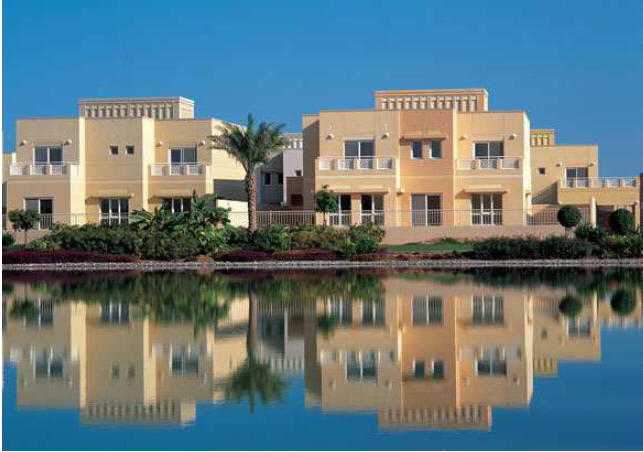
The Meadows

United Arab Emirates /Dubai /Dubai

Sight Address : The Meadows, Emirates Living Community, off Sheikh Zayed Road Interchange 5, Near Dubai Marina, Dubai Media City, Dubai, UAE.Edit

Detail InformationEdit

The Meadows is part of ‘Emirates Living Community’ in Dubai that also includes prestigious residential projects like ‘The Springs’, ‘Jumeirah Islands’ and ‘The Greens’. The Meadows premium villa project is a master planned community located next to Emirates Hills development on Sheikh Zayed Road and is one of a number of real estate projects currently being developed by Emaar. The development forms part of Dubai’s high-profile which feature the Dubai Marina, Emirates Hills, Dubai Internet City, Media City, the American University in Dubai, beaches, shopping malls and luxury hotels. The villas in The Meadows community range from 3 to 6 bedrooms, and all are surrounded by a manicured garden. The Meadows offer beautiful, spacious villas, each with its own garden and garage. The homes have been developed with every comfort in mind and feature every modern convenience in a tranquil and luxurious atmosphere, including lush greenery, water features and beautiful streets. Other features include swimming pools, landscaped parks, gyms, play areas, restaurants, cafes, all with exceptional finishes.

The Meadows, Dubai

The Meadows, Dubai

HistoryEdit

N.A.

Must SeeEdit

Attraction.

Visiting TimeEdit

N.A.

Closed OnEdit

N.A.

Best Season to VisitEdit

November to April.

Best Time To VisitEdit

N.A.

Time Required for SightseeingEdit

30 Minutes Minimum.

Ticket Required : No Edit

Individual National Adult  : N.A.

Kids : N.A.

Individual Foreigner Adult  : N.A.

Kids : N.A.

Still Photo Camera : N.A.

Video Camera  : N.A.

Guide Required : No Edit

Approximate cost: N.A.

Dress Code (If Any) : No Edit

Dress Require: N.A.

Restaurants NearbyAdd / Edit

How to ReachEdit

Taxi : Taxi is also easily available here, Most visitors will opt for public taxis from the airport, which are readily available just outside arrivals, which use the meter and start at AED 25. If you can’t find one otherwise, you can attempt to call a taxi at 04-2080808

Bus : The Government of Dubai operates a network of buses linking Dubai city with the capitals of the other six emirates of the UAE. The buses run under the name Emirates Express and operate from various bus terminals in Dubai. Buses operate every 40 minutes from 6.20am from both Dubai’s Al Ghubaibah bus station and Abu Dhabi’s main bus station. The two-hour journey cost AED 25. Frequent buses run between Dubai and Sharjah. There are several different routes and buses depart from various bus stations in Dubai including Al Karama, Gold Souq, Baniyas Square, Jebel Ali and Al Ittihad Square. Fares are at Dh7 .

Train : Dubai Metro is composed of at-grade elevated Type 1, Type 2 and Type 3 (T1, T2 and T3, respectively) underground stations (U) and underground transfer station types (UT). Type 1 is the regular at-grade concourse station, Type 2 is a regular elevated concourse station, and Type 3 is an elevated special track station with an extra track to hold a non operational train. Underground transfer stations will be accommodating both the Red and Green lines for easy transfers. Besides these differences, there are four themes used in the interiors of the stations: earth, water, fire and air. Earth stations have a tan-brown colour effects; water has blue-white colour effects; fire has orange-red colour effects; and the air has green colour effects. Single tickets range from Dh2-8.50, or double that for use of the “Gold” first class carriage. Train run every 3-5 minutes from 5:50 AM to Midnight every day except Thursday and Friday, when services are extended to 5:50 AM to 1 AM and limited to 1 PM to Midnight, respectively. All stations are air-conditioned and there’s a large network of feeder buses.

Air : Dubai International Airport (DXB), which is located about 2.5 miles southeast of Dubai, links the emirate to over 200 world destinations by 100 airlines operating about 5,600 flights every week. Terminal 1 of Dubai International Airport serves as a base for international flights while Terminal 3 exclusively caters for Emirates. Terminal 2 on the other hand, is mainly used by smaller airlines operating to Iran, Pakistan and Afghanistan. India can avail flight services from metropolitan cities like Delhi, Mumbai, Kolkata, Chennai, Ahmedabad and Bangalore. Besides Emirates, Jet Airways, Air India, Thai Airways and Indian Airlines are some of the major airlines serving travellers flying to Dubai from India. Most visitors will opt for public taxis from the airport, which are readily available just outside arrivals, which use the meter and start at Dhs 25. Taxis are on the left when you come out of terminal 1.
Airport telephone number: +971 (0) 4 224 5555

Others : By Boat : An easier way of crossing the Dubai Creek is by abra, essentially a small ferry. Abra stations are located along the Creek on both the Bur Dubai and Deira sides, and the system of filling the boats is remarkably efficient. The cross-river trip costs 1 Dirham (AED 1) per passenger, payable to the driver after the boat has left the station, and affords a very picturesque view of the city (not to be missed). Abras set off very regularly, and the service is available round-the-clock.
By Waterbus : The Waterbus is another option for tourists who want to go by boat but avoid the abra crowd (or the heat). It is a part of Dubai’s public transport system, so again a Red ticket, or any Nol card is required for the journey. Can be purchased at the waterbus station. The waterbus also features a ‘tourist route’ round trip – while it is convenient, it can get quite expensive (Dh50 for an adult, Dh25 for a child).
By Car : There are a countless number of Rent-A-Cars that will provide a mode of transportation for very cheap rates and very little paperwork. An International Driving Permit is not necessarily required, but hire companies may not rent a car without one. Some agencies will hire out cars complete with drivers. Visitors taking advantage of this option will need to make certain that their driver knows his way around as many do not.

Things to CarryEdit

Safety / WarningEdit

HelplineEdit

  • Police – 999 / 2292222
  • Fire Department – 997
  • Ambulance – 999

Gallery


View All Sight of Dubai... Click Here

Burj Al Arab Hotel
Burj Khalifa
Dubai Miracle Garden

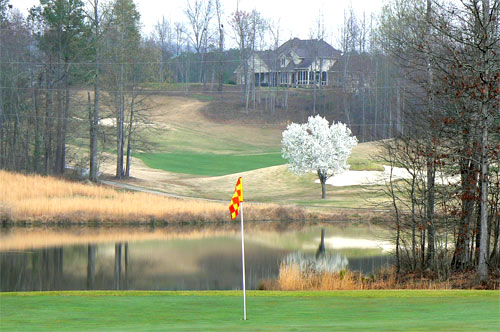
Silver Lakes

United Arab Emirates /Dubai /Dubai

Sight Address : N.A.Edit

Detail InformationEdit

N.A.

Silver Lakes, Dubai

Silver Lakes, Dubai

HistoryEdit

N.A.

Must SeeEdit

Attraction

Visiting TimeEdit

N.A.

Closed OnEdit

N.A.

Best Season to VisitEdit

November to April.

Best Time To VisitEdit

N.A.

Time Required for SightseeingEdit

30 Minutes Minimum.

Ticket Required : No Edit

Individual National Adult  : N.A.

Kids : N.A.

Individual Foreigner Adult  : N.A.

Kids : N.A.

Still Photo Camera : N.A.

Video Camera  : N.A.

Guide Required : No Edit

Approximate cost: N.A.

Dress Code (If Any) : No Edit

Dress Require: N.A.

Restaurants NearbyAdd / Edit

How to ReachEdit

Taxi : Taxi is also easily available here, Most visitors will opt for public taxis from the airport, which are readily available just outside arrivals, which use the meter and start at AED 25. If you can’t find one otherwise, you can attempt to call a taxi at 04-2080808

Bus : The Government of Dubai operates a network of buses linking Dubai city with the capitals of the other six emirates of the UAE. The buses run under the name Emirates Express and operate from various bus terminals in Dubai. Buses operate every 40 minutes from 6.20am from both Dubai’s Al Ghubaibah bus station and Abu Dhabi’s main bus station. The two-hour journey cost AED 25. Frequent buses run between Dubai and Sharjah. There are several different routes and buses depart from various bus stations in Dubai including Al Karama, Gold Souq, Baniyas Square, Jebel Ali and Al Ittihad Square. Fares are at Dh7 .

Train : Dubai Metro is composed of at-grade elevated Type 1, Type 2 and Type 3 (T1, T2 and T3, respectively) underground stations (U) and underground transfer station types (UT). Type 1 is the regular at-grade concourse station, Type 2 is a regular elevated concourse station, and Type 3 is an elevated special track station with an extra track to hold a non operational train. Underground transfer stations will be accommodating both the Red and Green lines for easy transfers. Besides these differences, there are four themes used in the interiors of the stations: earth, water, fire and air. Earth stations have a tan-brown colour effects; water has blue-white colour effects; fire has orange-red colour effects; and the air has green colour effects. Single tickets range from Dh2-8.50, or double that for use of the “Gold” first class carriage. Train run every 3-5 minutes from 5:50 AM to Midnight every day except Thursday and Friday, when services are extended to 5:50 AM to 1 AM and limited to 1 PM to Midnight, respectively. All stations are air-conditioned and there’s a large network of feeder buses.

Air : Dubai International Airport (DXB), which is located about 2.5 miles southeast of Dubai, links the emirate to over 200 world destinations by 100 airlines operating about 5,600 flights every week. Terminal 1 of Dubai International Airport serves as a base for international flights while Terminal 3 exclusively caters for Emirates. Terminal 2 on the other hand, is mainly used by smaller airlines operating to Iran, Pakistan and Afghanistan. India can avail flight services from metropolitan cities like Delhi, Mumbai, Kolkata, Chennai, Ahmedabad and Bangalore. Besides Emirates, Jet Airways, Air India, Thai Airways and Indian Airlines are some of the major airlines serving travellers flying to Dubai from India. Most visitors will opt for public taxis from the airport, which are readily available just outside arrivals, which use the meter and start at Dhs 25. Taxis are on the left when you come out of terminal 1.
Airport telephone number: +971 (0) 4 224 5555

Others : By Boat : An easier way of crossing the Dubai Creek is by abra, essentially a small ferry. Abra stations are located along the Creek on both the Bur Dubai and Deira sides, and the system of filling the boats is remarkably efficient. The cross-river trip costs 1 Dirham (AED 1) per passenger, payable to the driver after the boat has left the station, and affords a very picturesque view of the city (not to be missed). Abras set off very regularly, and the service is available round-the-clock.
By Waterbus : The Waterbus is another option for tourists who want to go by boat but avoid the abra crowd (or the heat). It is a part of Dubai’s public transport system, so again a Red ticket, or any Nol card is required for the journey. Can be purchased at the waterbus station. The waterbus also features a ‘tourist route’ round trip – while it is convenient, it can get quite expensive (Dh50 for an adult, Dh25 for a child).
By Car : There are a countless number of Rent-A-Cars that will provide a mode of transportation for very cheap rates and very little paperwork. An International Driving Permit is not necessarily required, but hire companies may not rent a car without one. Some agencies will hire out cars complete with drivers. Visitors taking advantage of this option will need to make certain that their driver knows his way around as many do not.

Things to CarryEdit

  • Carry camera.

Safety / WarningEdit

HelplineEdit

  • Police – 999 / 2292222
  • Fire Department – 997
  • Ambulance – 999

Gallery


View All Sight of Dubai... Click Here

Burj Al Arab Hotel
Burj Khalifa
Dubai Miracle Garden

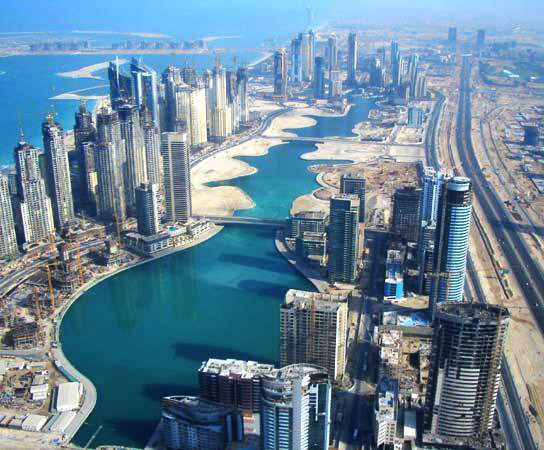
Jumeirah Lakes

United Arab Emirates /Dubai /Dubai

Sight Address : N.A.Edit

Detail InformationEdit

N.A.

Jumeirah Lake, Dubai

Jumeirah Lake, Dubai

HistoryEdit

The Jumeirah Lakes Towers (Arabic: ابراج بحيرة الجميرا‎) is a large development in Dubai, United Arab Emirates which consists of 79 towers being constructed along the edges of four artificial lakes (Lake Almas West, Lake Almas East, Lake Elucio, and Lake Allure) as well as the JLT Embankment of 8 tower facing Jumeirah Islands. The lakes (which are about 3 metres (9.8 ft) deep) will be completely filled by end of 2009. The total area covered by the lakes, waterways and landscaping will be 730,000-square-metre (7,900,000 sq ft). The towers will range from having 35 floors to having 45, except for the centerpiece, which is 66 floors. The tallest tower and the centerpiece of the entire complex is Almas Tower which will be situated on its own island between Lake Almas West and Lake Almas East. All residential towers will be placed in clusters of three. This therefore makes the areas easier to navigate when mail is distributed. The completion of Saba Tower in December 2006 marked the first tower to be completed in Jumeirah Lakes Towers. The final tower is expected to be completed in 2011. The majority of construction will take place in 2008. By April 2011, over 80 per cent of the towers in JLT have been completed. While the entire development is expected to be completed in 2012.

Must SeeEdit

Attraction

Visiting TimeEdit

N.A.

Closed OnEdit

N.A.

Best Season to VisitEdit

November to April

Best Time To VisitEdit

N.A.

Time Required for SightseeingEdit

30 Minutes Minimum.

Ticket Required : No Edit

Individual National Adult  : N.A.

Kids : N.A.

Individual Foreigner Adult  : N.A.

Kids : N.A.

Still Photo Camera : N.A.

Video Camera  : N.A.

Guide Required : No Edit

Approximate cost: N.A.

Dress Code (If Any) : No Edit

Dress Require: N.A.

Restaurants NearbyAdd / Edit

How to ReachEdit

Taxi : Taxi is also easily available here, Most visitors will opt for public taxis from the airport, which are readily available just outside arrivals, which use the meter and start at AED 25. If you can’t find one otherwise, you can attempt to call a taxi at 04-2080808

Bus : The Government of Dubai operates a network of buses linking Dubai city with the capitals of the other six emirates of the UAE. The buses run under the name Emirates Express and operate from various bus terminals in Dubai. Buses operate every 40 minutes from 6.20am from both Dubai’s Al Ghubaibah bus station and Abu Dhabi’s main bus station. The two-hour journey cost AED 25. Frequent buses run between Dubai and Sharjah. There are several different routes and buses depart from various bus stations in Dubai including Al Karama, Gold Souq, Baniyas Square, Jebel Ali and Al Ittihad Square. Fares are at Dh7 .

Train : Dubai Metro is composed of at-grade elevated Type 1, Type 2 and Type 3 (T1, T2 and T3, respectively) underground stations (U) and underground transfer station types (UT). Type 1 is the regular at-grade concourse station, Type 2 is a regular elevated concourse station, and Type 3 is an elevated special track station with an extra track to hold a non operational train. Underground transfer stations will be accommodating both the Red and Green lines for easy transfers. Besides these differences, there are four themes used in the interiors of the stations: earth, water, fire and air. Earth stations have a tan-brown colour effects; water has blue-white colour effects; fire has orange-red colour effects; and the air has green colour effects. Single tickets range from Dh2-8.50, or double that for use of the “Gold” first class carriage. Train run every 3-5 minutes from 5:50 AM to Midnight every day except Thursday and Friday, when services are extended to 5:50 AM to 1 AM and limited to 1 PM to Midnight, respectively. All stations are air-conditioned and there’s a large network of feeder buses.

Air : Dubai International Airport (DXB), which is located about 2.5 miles southeast of Dubai, links the emirate to over 200 world destinations by 100 airlines operating about 5,600 flights every week. Terminal 1 of Dubai International Airport serves as a base for international flights while Terminal 3 exclusively caters for Emirates. Terminal 2 on the other hand, is mainly used by smaller airlines operating to Iran, Pakistan and Afghanistan. India can avail flight services from metropolitan cities like Delhi, Mumbai, Kolkata, Chennai, Ahmedabad and Bangalore. Besides Emirates, Jet Airways, Air India, Thai Airways and Indian Airlines are some of the major airlines serving travellers flying to Dubai from India. Most visitors will opt for public taxis from the airport, which are readily available just outside arrivals, which use the meter and start at Dhs 25. Taxis are on the left when you come out of terminal 1.
Airport telephone number: +971 (0) 4 224 5555

Others : By Boat : An easier way of crossing the Dubai Creek is by abra, essentially a small ferry. Abra stations are located along the Creek on both the Bur Dubai and Deira sides, and the system of filling the boats is remarkably efficient. The cross-river trip costs 1 Dirham (AED 1) per passenger, payable to the driver after the boat has left the station, and affords a very picturesque view of the city (not to be missed). Abras set off very regularly, and the service is available round-the-clock.
By Waterbus : The Waterbus is another option for tourists who want to go by boat but avoid the abra crowd (or the heat). It is a part of Dubai’s public transport system, so again a Red ticket, or any Nol card is required for the journey. Can be purchased at the waterbus station. The waterbus also features a ‘tourist route’ round trip – while it is convenient, it can get quite expensive (Dh50 for an adult, Dh25 for a child).
By Car : There are a countless number of Rent-A-Cars that will provide a mode of transportation for very cheap rates and very little paperwork. An International Driving Permit is not necessarily required, but hire companies may not rent a car without one. Some agencies will hire out cars complete with drivers. Visitors taking advantage of this option will need to make certain that their driver knows his way around as many do not.

Things to CarryEdit

  • Carry camera.

Safety / WarningEdit

HelplineEdit

  • Police – 999 / 2292222
  • Fire Department – 997
  • Ambulance – 999


View All Sight of Dubai... Click Here

Burj Al Arab Hotel
Burj Khalifa
Dubai Miracle Garden

Dubai Creek

United Arab Emirates /Dubai /Dubai

Sight Address : Dubai Creek, Dubai, United Arab Emirates.Edit

Detail InformationEdit

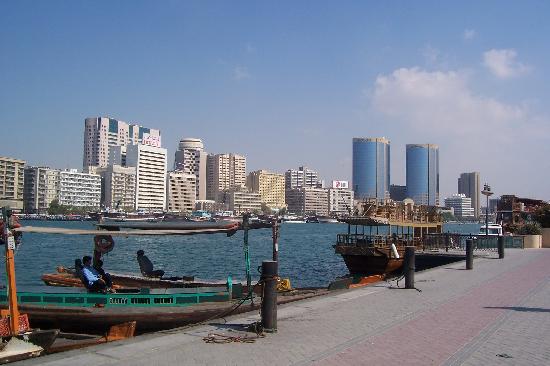
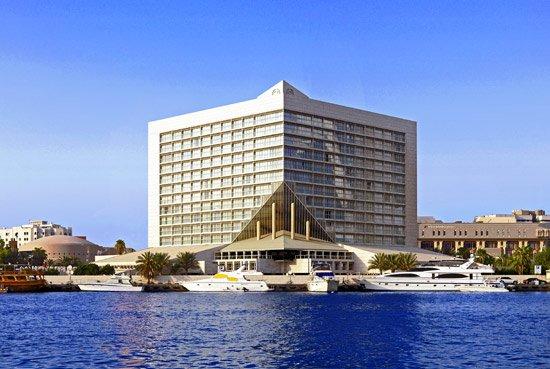
Dubai Creek or Khor Dubai (Arabic: خور دبي‎, Khawr Dubayy) is a saltwater creek located in Dubai, United Arab Emirates (UAE). It ends at Ras Al Khor Wildlife Sanctuary. Some sources say that the creek extended as far inland as Al Ain, and that the Ancient Greeks called it River Zara. Historically, the creek divided the city into two main sections – Deira and Bur Dubai. It was along the Bur Dubai creek area that members of the Bani Yas tribe first settled in the 19th century, establishing the Al Maktoum dynasty in the city. In the early 20th century, the creek, though incapable then of supporting large scale transportation, served as a minor port for dhows coming as far away as India or time, was also based along the creek, whose warm and shallow waters supported a wide variety of marine life. Dhows used for purposes of fishing were also built on the foreshore of the creek. The importance of the creek as a site of commercial activity was a justification to introduce improvements to allow larger vessels to transit, as well as to facilitate loading and unloading activities. This led, in 1955, to a plan to develop the creek, which involved dredging shallow areas, building of breakwaters, and developing its beach to become a quay suitable for loading and unloading of cargo.[4] The creek was first dredged in 1961 to permit 7 feet (2.1 m) draft vessels to cross through the creek at all times. The creek was dredged again in the 1960s and 1970s so that it could offer anchorage for local and coastal shipping of up to about 500 tons.[6] The dredging opened up the creek to much more continuous traffic of merchandise, including the development of re-export, and gave Dubai an advantage over Sharjah, the other dominant trading centre in the region at the time. Al Maktoum Bridge, the first bridge connecting Bur Dubai and Deira was constructed in 1963. Although the importance of the creek as a port has diminished with the development of the Jebel Ali Port, smaller facilities, such as Port Saeed, continue to exist along the creek, providing porting to traders from the region and the subcontinent. Including the most remarkable buildings alongside the Deira side of the Creek are the Deira Twin Towers, Dubai Creek Tower, Sheraton Dubai Creek, National Bank, and Chamber of Commerce. The creek’s initial inlet into mainland Dubai is along the Deira Corniche and Al Ras areas of eastern Dubai and along the Al Shindagha area of western Dubai. It then progresse south-eastward through the mainland, passing through Port Saeed and Dubai Creek Park. The creek’s natural ending is at the Ras Al Khor Wildlife Sanctuary, 14 kilometres (8.7 mi) from its origin at the Persian Gulf. The traditional form of transport between the eastern and western sections of Dubai via the creek was through abras, which continue to operate in Dubai. In addition, the eastern and western sections are linked via four bridges (Al Maktoum Bridge, Al Garhoud Bridge, Business Bay Crossing, and Floating Bridge) and one tunnel (Al Shindagha Tunnel).

Dubai Creek, Dubai

Dubai Creek, Dubai

HistoryEdit

N.A.

Must SeeEdit

Attraction.

Visiting TimeEdit

N.A.

Closed OnEdit

N.A.

Best Season to VisitEdit

November to April.

Best Time To VisitEdit

N.A.

Time Required for SightseeingEdit

30 Minutes Minimum.

Ticket Required : No Edit

Individual National Adult  : N.A.

Kids : N.A.

Individual Foreigner Adult  : N.A.

Kids : N.A.

Still Photo Camera : N.A.

Video Camera  : N.A.

Guide Required : No Edit

Approximate cost: N.A.

Dress Code (If Any) : No Edit

Dress Require: N.A.

Restaurants NearbyAdd / Edit

How to ReachEdit

Taxi : Taxi is also easily available here, Most visitors will opt for public taxis from the airport, which are readily available just outside arrivals, which use the meter and start at AED 25. If you can’t find one otherwise, you can attempt to call a taxi at 04-2080808

Bus : The Government of Dubai operates a network of buses linking Dubai city with the capitals of the other six emirates of the UAE. The buses run under the name Emirates Express and operate from various bus terminals in Dubai. Buses operate every 40 minutes from 6.20am from both Dubai’s Al Ghubaibah bus station and Abu Dhabi’s main bus station. The two-hour journey cost AED 25. Frequent buses run between Dubai and Sharjah. There are several different routes and buses depart from various bus stations in Dubai including Al Karama, Gold Souq, Baniyas Square, Jebel Ali and Al Ittihad Square. Fares are at Dh7 .

Train : Dubai Metro is composed of at-grade elevated Type 1, Type 2 and Type 3 (T1, T2 and T3, respectively) underground stations (U) and underground transfer station types (UT). Type 1 is the regular at-grade concourse station, Type 2 is a regular elevated concourse station, and Type 3 is an elevated special track station with an extra track to hold a non operational train. Underground transfer stations will be accommodating both the Red and Green lines for easy transfers. Besides these differences, there are four themes used in the interiors of the stations: earth, water, fire and air. Earth stations have a tan-brown colour effects; water has blue-white colour effects; fire has orange-red colour effects; and the air has green colour effects. Single tickets range from Dh2-8.50, or double that for use of the “Gold” first class carriage. Train run every 3-5 minutes from 5:50 AM to Midnight every day except Thursday and Friday, when services are extended to 5:50 AM to 1 AM and limited to 1 PM to Midnight, respectively. All stations are air-conditioned and there’s a large network of feeder buses.

Air : Dubai International Airport (DXB), which is located about 2.5 miles southeast of Dubai, links the emirate to over 200 world destinations by 100 airlines operating about 5,600 flights every week. Terminal 1 of Dubai International Airport serves as a base for international flights while Terminal 3 exclusively caters for Emirates. Terminal 2 on the other hand, is mainly used by smaller airlines operating to Iran, Pakistan and Afghanistan. India can avail flight services from metropolitan cities like Delhi, Mumbai, Kolkata, Chennai, Ahmedabad and Bangalore. Besides Emirates, Jet Airways, Air India, Thai Airways and Indian Airlines are some of the major airlines serving travellers flying to Dubai from India. Most visitors will opt for public taxis from the airport, which are readily available just outside arrivals, which use the meter and start at Dhs 25. Taxis are on the left when you come out of terminal 1.
Airport telephone number: +971 (0) 4 224 5555

Others : By Boat : An easier way of crossing the Dubai Creek is by abra, essentially a small ferry. Abra stations are located along the Creek on both the Bur Dubai and Deira sides, and the system of filling the boats is remarkably efficient. The cross-river trip costs 1 Dirham (AED 1) per passenger, payable to the driver after the boat has left the station, and affords a very picturesque view of the city (not to be missed). Abras set off very regularly, and the service is available round-the-clock.
By Waterbus : The Waterbus is another option for tourists who want to go by boat but avoid the abra crowd (or the heat). It is a part of Dubai’s public transport system, so again a Red ticket, or any Nol card is required for the journey. Can be purchased at the waterbus station. The waterbus also features a ‘tourist route’ round trip – while it is convenient, it can get quite expensive (Dh50 for an adult, Dh25 for a child).
By Car : There are a countless number of Rent-A-Cars that will provide a mode of transportation for very cheap rates and very little paperwork. An International Driving Permit is not necessarily required, but hire companies may not rent a car without one. Some agencies will hire out cars complete with drivers. Visitors taking advantage of this option will need to make certain that their driver knows his way around as many do not.

Things to CarryEdit

  • Carry camera.

Safety / WarningEdit

HelplineEdit

  • Police – 999 / 2292222
  • Fire Department – 997
  • Ambulance – 999

Gallery


View All Sight of Dubai... Click Here

Burj Al Arab Hotel
Burj Khalifa
Dubai Miracle Garden

Dubai World Trade Centre

United Arab Emirates /Dubai /Dubai

Sight Address : Dubai World Trade Centre, 2nd Zaabel Road (D 73 Rd), Dubai – United Arab Emirates.Edit

Detail InformationEdit

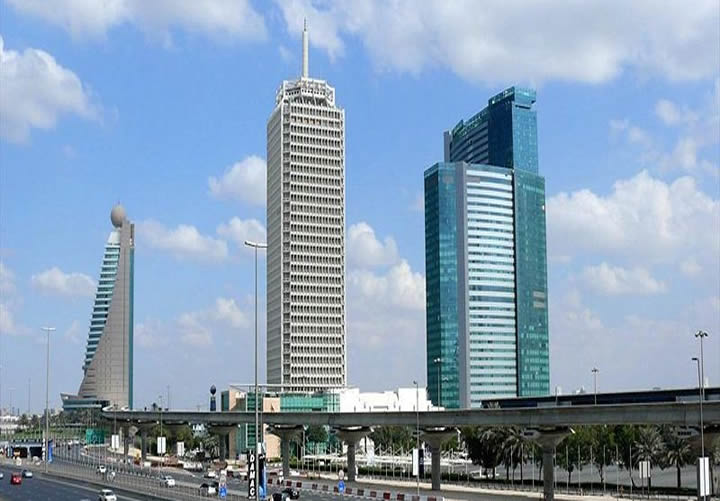
The Dubai World Trade Centre (DWTC) (Arabic: مركز التجارة العالمي دبي‎) is a business complex in Dubai, United Arab Emirates, built by H.H. Sheikh Rashid bin Saeed Al Maktoum. It is located along Sheikh Zayed Road at the Trade Centre Roundabout. The complex comprises the original tower (built in 1978), eight exhibition halls, the Dubai International Convention Centre and residential apartments. The 39-storey office tower stands 149 metres (489 feet) tall and a majority of the floors are let commercially. At the time it was built, it was the tallest building in Dubai (and UAE) and the first high rise along Sheikh Zayed Road.The tenants of the building include Federal Express, General Motors, Johnson & Johnson, MasterCard International, Schlumberger, Sony, U.S. law firm Curtis, Mallet-Prevost, Colt & Mosle LLP, and the consulates of Italy, Japan, Spain, Switzerland, Turkey, and the United States of America. The building is featured on the 100 dirham banknote.

Dubai World Trade Centre, Dubai

Dubai World Trade Centre, Dubai

HistoryEdit

N.A.

Must SeeEdit

Attraction.

Visiting TimeEdit

N.A.

Closed OnEdit

N.A.

Best Season to VisitEdit

November to April.

Best Time To VisitEdit

N.A.

Time Required for SightseeingEdit

30 Minutes Minimum.

Ticket Required : No Edit

Individual National Adult  : N.A.

Kids : N.A.

Individual Foreigner Adult  : N.A.

Kids : N.A.

Still Photo Camera : N.A.

Video Camera  : N.A.

Guide Required : No Edit

Approximate cost: N.A.

Dress Code (If Any) : No Edit

Dress Require: N.A.

Restaurants NearbyAdd / Edit

How to ReachEdit

Taxi : Taxi is also easily available here, Most visitors will opt for public taxis from the airport, which are readily available just outside arrivals, which use the meter and start at AED 25. If you can’t find one otherwise, you can attempt to call a taxi at 04-2080808

Bus : The Government of Dubai operates a network of buses linking Dubai city with the capitals of the other six emirates of the UAE. The buses run under the name Emirates Express and operate from various bus terminals in Dubai. Buses operate every 40 minutes from 6.20am from both Dubai’s Al Ghubaibah bus station and Abu Dhabi’s main bus station. The two-hour journey cost AED 25. Frequent buses run between Dubai and Sharjah. There are several different routes and buses depart from various bus stations in Dubai including Al Karama, Gold Souq, Baniyas Square, Jebel Ali and Al Ittihad Square. Fares are at Dh7 .

Train : Dubai Metro is composed of at-grade elevated Type 1, Type 2 and Type 3 (T1, T2 and T3, respectively) underground stations (U) and underground transfer station types (UT). Type 1 is the regular at-grade concourse station, Type 2 is a regular elevated concourse station, and Type 3 is an elevated special track station with an extra track to hold a non operational train. Underground transfer stations will be accommodating both the Red and Green lines for easy transfers. Besides these differences, there are four themes used in the interiors of the stations: earth, water, fire and air. Earth stations have a tan-brown colour effects; water has blue-white colour effects; fire has orange-red colour effects; and the air has green colour effects. Single tickets range from Dh2-8.50, or double that for use of the “Gold” first class carriage. Train run every 3-5 minutes from 5:50 AM to Midnight every day except Thursday and Friday, when services are extended to 5:50 AM to 1 AM and limited to 1 PM to Midnight, respectively. All stations are air-conditioned and there’s a large network of feeder buses.

Air : Dubai International Airport (DXB), which is located about 2.5 miles southeast of Dubai, links the emirate to over 200 world destinations by 100 airlines operating about 5,600 flights every week. Terminal 1 of Dubai International Airport serves as a base for international flights while Terminal 3 exclusively caters for Emirates. Terminal 2 on the other hand, is mainly used by smaller airlines operating to Iran, Pakistan and Afghanistan. India can avail flight services from metropolitan cities like Delhi, Mumbai, Kolkata, Chennai, Ahmedabad and Bangalore. Besides Emirates, Jet Airways, Air India, Thai Airways and Indian Airlines are some of the major airlines serving travellers flying to Dubai from India. Most visitors will opt for public taxis from the airport, which are readily available just outside arrivals, which use the meter and start at Dhs 25. Taxis are on the left when you come out of terminal 1.
Airport telephone number: +971 (0) 4 224 5555

Others : By Boat : An easier way of crossing the Dubai Creek is by abra, essentially a small ferry. Abra stations are located along the Creek on both the Bur Dubai and Deira sides, and the system of filling the boats is remarkably efficient. The cross-river trip costs 1 Dirham (AED 1) per passenger, payable to the driver after the boat has left the station, and affords a very picturesque view of the city (not to be missed). Abras set off very regularly, and the service is available round-the-clock.
By Waterbus : The Waterbus is another option for tourists who want to go by boat but avoid the abra crowd (or the heat). It is a part of Dubai’s public transport system, so again a Red ticket, or any Nol card is required for the journey. Can be purchased at the waterbus station. The waterbus also features a ‘tourist route’ round trip – while it is convenient, it can get quite expensive (Dh50 for an adult, Dh25 for a child).
By Car : There are a countless number of Rent-A-Cars that will provide a mode of transportation for very cheap rates and very little paperwork. An International Driving Permit is not necessarily required, but hire companies may not rent a car without one. Some agencies will hire out cars complete with drivers. Visitors taking advantage of this option will need to make certain that their driver knows his way around as many do not.

Things to CarryEdit

Safety / WarningEdit

HelplineEdit

  • Police – 999 / 2292222
  • Fire Department – 997
  • Ambulance – 999

Gallery


View All Sight of Dubai... Click Here

Burj Al Arab Hotel
Burj Khalifa
Dubai Miracle Garden

Sheraton Dubai Creek

United Arab Emirates /Dubai /Dubai

Sight Address : Sheraton Dubai Creek, Baniyas Street, Creek Road | P.O. Box 4250, Dubai, United Arab Emirates.Edit

Detail InformationEdit

N.A.

Sheraton Dubai Creek, Dubai

Sheraton Dubai Creek, Dubai

HistoryEdit

N.A.

Must SeeEdit

Attraction.

Visiting TimeEdit

N.A.

Closed OnEdit

N.A.

Best Season to VisitEdit

November to April.

Best Time To VisitEdit

N.A.

Time Required for SightseeingEdit

30 Minutes Minimum.

Ticket Required : No Edit

Individual National Adult  : N.A.

Kids : N.A.

Individual Foreigner Adult  : N.A.

Kids : N.A.

Still Photo Camera : N.A.

Video Camera  : N.A.

Guide Required : No Edit

Approximate cost: N.A.

Dress Code (If Any) : No Edit

Dress Require: N.A.

Restaurants NearbyAdd / Edit

How to ReachEdit

Taxi : Taxi is also easily available here, Most visitors will opt for public taxis from the airport, which are readily available just outside arrivals, which use the meter and start at AED 25. If you can’t find one otherwise, you can attempt to call a taxi at 04-2080808

Bus : The Government of Dubai operates a network of buses linking Dubai city with the capitals of the other six emirates of the UAE. The buses run under the name Emirates Express and operate from various bus terminals in Dubai. Buses operate every 40 minutes from 6.20am from both Dubai’s Al Ghubaibah bus station and Abu Dhabi’s main bus station. The two-hour journey cost AED 25. Frequent buses run between Dubai and Sharjah. There are several different routes and buses depart from various bus stations in Dubai including Al Karama, Gold Souq, Baniyas Square, Jebel Ali and Al Ittihad Square. Fares are at Dh7 .

Train : Dubai Metro is composed of at-grade elevated Type 1, Type 2 and Type 3 (T1, T2 and T3, respectively) underground stations (U) and underground transfer station types (UT). Type 1 is the regular at-grade concourse station, Type 2 is a regular elevated concourse station, and Type 3 is an elevated special track station with an extra track to hold a non operational train. Underground transfer stations will be accommodating both the Red and Green lines for easy transfers. Besides these differences, there are four themes used in the interiors of the stations: earth, water, fire and air. Earth stations have a tan-brown colour effects; water has blue-white colour effects; fire has orange-red colour effects; and the air has green colour effects. Single tickets range from Dh2-8.50, or double that for use of the “Gold” first class carriage. Train run every 3-5 minutes from 5:50 AM to Midnight every day except Thursday and Friday, when services are extended to 5:50 AM to 1 AM and limited to 1 PM to Midnight, respectively. All stations are air-conditioned and there’s a large network of feeder buses.

Air : Dubai International Airport (DXB), which is located about 2.5 miles southeast of Dubai, links the emirate to over 200 world destinations by 100 airlines operating about 5,600 flights every week. Terminal 1 of Dubai International Airport serves as a base for international flights while Terminal 3 exclusively caters for Emirates. Terminal 2 on the other hand, is mainly used by smaller airlines operating to Iran, Pakistan and Afghanistan. India can avail flight services from metropolitan cities like Delhi, Mumbai, Kolkata, Chennai, Ahmedabad and Bangalore. Besides Emirates, Jet Airways, Air India, Thai Airways and Indian Airlines are some of the major airlines serving travellers flying to Dubai from India. Most visitors will opt for public taxis from the airport, which are readily available just outside arrivals, which use the meter and start at Dhs 25. Taxis are on the left when you come out of terminal 1.
Airport telephone number: +971 (0) 4 224 5555

Others : By Boat : An easier way of crossing the Dubai Creek is by abra, essentially a small ferry. Abra stations are located along the Creek on both the Bur Dubai and Deira sides, and the system of filling the boats is remarkably efficient. The cross-river trip costs 1 Dirham (AED 1) per passenger, payable to the driver after the boat has left the station, and affords a very picturesque view of the city (not to be missed). Abras set off very regularly, and the service is available round-the-clock.
By Waterbus : The Waterbus is another option for tourists who want to go by boat but avoid the abra crowd (or the heat). It is a part of Dubai’s public transport system, so again a Red ticket, or any Nol card is required for the journey. Can be purchased at the waterbus station. The waterbus also features a ‘tourist route’ round trip – while it is convenient, it can get quite expensive (Dh50 for an adult, Dh25 for a child).
By Car : There are a countless number of Rent-A-Cars that will provide a mode of transportation for very cheap rates and very little paperwork. An International Driving Permit is not necessarily required, but hire companies may not rent a car without one. Some agencies will hire out cars complete with drivers. Visitors taking advantage of this option will need to make certain that their driver knows his way around as many do not.

Things to CarryEdit

  • Carry camera.

Safety / WarningEdit

HelplineEdit

  • Police – 999 / 2292222
  • Fire Department – 997
  • Ambulance – 999

Gallery


View All Sight of Dubai... Click Here

Burj Al Arab Hotel
Burj Khalifa
Dubai Miracle Garden

Millennium Tower

United Arab Emirates /Dubai /Dubai

Sight Address : Millennium Tower, Al Goze, Sheikh Zayed Road, Dubai United Arab Emirates.
Edit

Detail InformationEdit

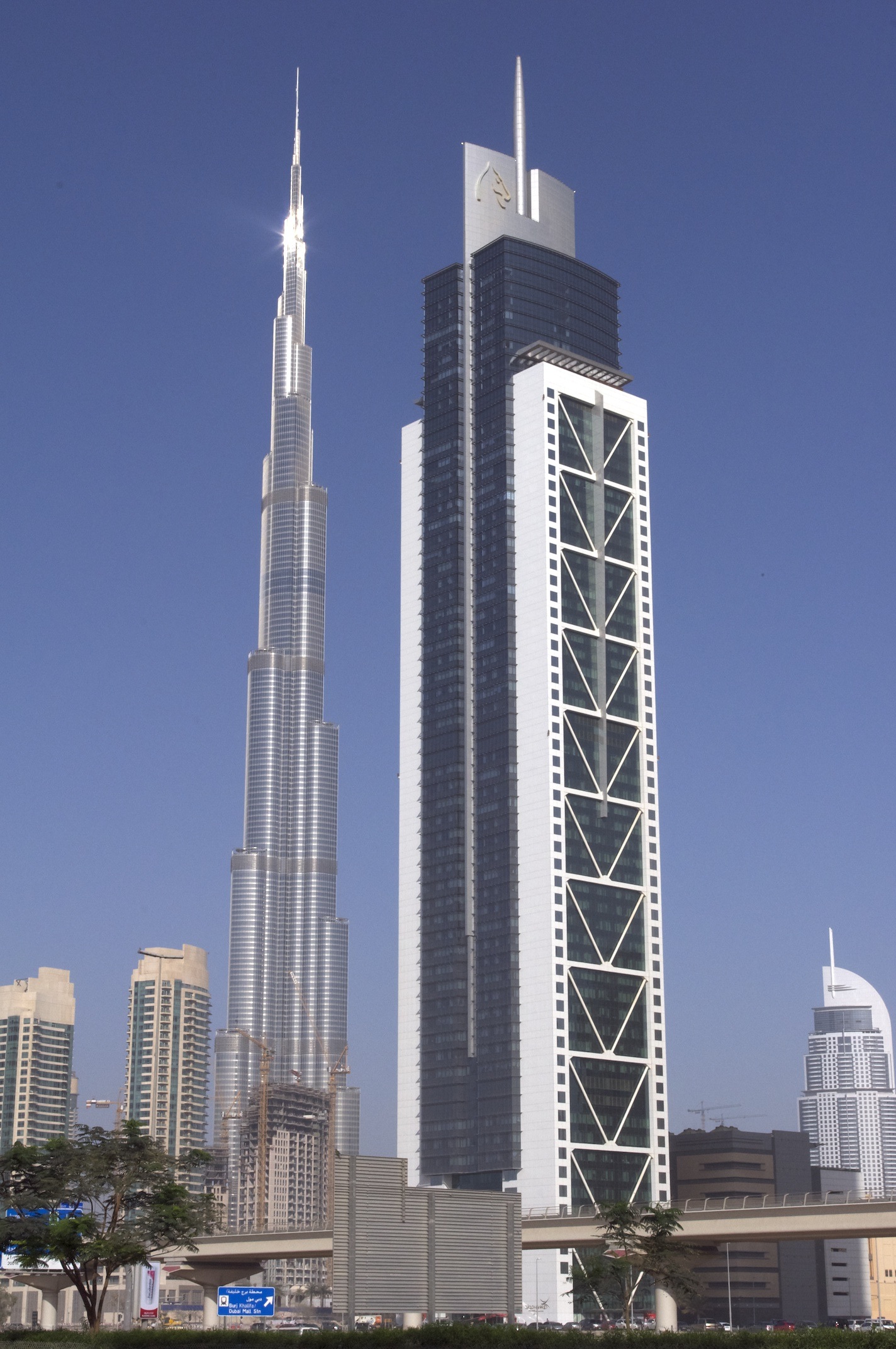
The Millennium Tower is located on Sheikh Zayed Road in Dubai, United Arab Emirates. The tower rises 285 m (935 ft) and has 60 floors. It was completed in 2006. The Millennium Tower contains 301 three-bedroom and 106 two-bedroom apartments. Located beside the tower is a 10-storey carpark with 471 parking bays.

Millennium Tower, Dubai

Millennium Tower, Dubai

HistoryEdit

N.A.

Must SeeEdit

Attraction.

Visiting TimeEdit

N.A.

Closed OnEdit

N.A.

Best Season to VisitEdit

November to April.

Best Time To VisitEdit

N.A.

Time Required for SightseeingEdit

30 Minutes Minimum.

Ticket Required : No Edit

Individual National Adult  : N.A.

Kids : N.A.

Individual Foreigner Adult  : N.A.

Kids : N.A.

Still Photo Camera : N.A.

Video Camera  : N.A.

Guide Required : No Edit

Approximate cost: N.A.

Dress Code (If Any) : No Edit

Dress Require: N.A.

Restaurants NearbyAdd / Edit

How to ReachEdit

Taxi : Taxi is also easily available here, Most visitors will opt for public taxis from the airport, which are readily available just outside arrivals, which use the meter and start at AED 25. If you can’t find one otherwise, you can attempt to call a taxi at 04-2080808

Bus : The Government of Dubai operates a network of buses linking Dubai city with the capitals of the other six emirates of the UAE. The buses run under the name Emirates Express and operate from various bus terminals in Dubai. Buses operate every 40 minutes from 6.20am from both Dubai’s Al Ghubaibah bus station and Abu Dhabi’s main bus station. The two-hour journey cost AED 25. Frequent buses run between Dubai and Sharjah. There are several different routes and buses depart from various bus stations in Dubai including Al Karama, Gold Souq, Baniyas Square, Jebel Ali and Al Ittihad Square. Fares are at Dh7 .

Train : Dubai Metro is composed of at-grade elevated Type 1, Type 2 and Type 3 (T1, T2 and T3, respectively) underground stations (U) and underground transfer station types (UT). Type 1 is the regular at-grade concourse station, Type 2 is a regular elevated concourse station, and Type 3 is an elevated special track station with an extra track to hold a non operational train. Underground transfer stations will be accommodating both the Red and Green lines for easy transfers. Besides these differences, there are four themes used in the interiors of the stations: earth, water, fire and air. Earth stations have a tan-brown colour effects; water has blue-white colour effects; fire has orange-red colour effects; and the air has green colour effects. Single tickets range from Dh2-8.50, or double that for use of the “Gold” first class carriage. Train run every 3-5 minutes from 5:50 AM to Midnight every day except Thursday and Friday, when services are extended to 5:50 AM to 1 AM and limited to 1 PM to Midnight, respectively. All stations are air-conditioned and there’s a large network of feeder buses.

Air : Dubai International Airport (DXB), which is located about 2.5 miles southeast of Dubai, links the emirate to over 200 world destinations by 100 airlines operating about 5,600 flights every week. Terminal 1 of Dubai International Airport serves as a base for international flights while Terminal 3 exclusively caters for Emirates. Terminal 2 on the other hand, is mainly used by smaller airlines operating to Iran, Pakistan and Afghanistan. India can avail flight services from metropolitan cities like Delhi, Mumbai, Kolkata, Chennai, Ahmedabad and Bangalore. Besides Emirates, Jet Airways, Air India, Thai Airways and Indian Airlines are some of the major airlines serving travellers flying to Dubai from India. Most visitors will opt for public taxis from the airport, which are readily available just outside arrivals, which use the meter and start at Dhs 25. Taxis are on the left when you come out of terminal 1.
Airport telephone number: +971 (0) 4 224 5555

Others : By Boat : An easier way of crossing the Dubai Creek is by abra, essentially a small ferry. Abra stations are located along the Creek on both the Bur Dubai and Deira sides, and the system of filling the boats is remarkably efficient. The cross-river trip costs 1 Dirham (AED 1) per passenger, payable to the driver after the boat has left the station, and affords a very picturesque view of the city (not to be missed). Abras set off very regularly, and the service is available round-the-clock.
By Waterbus : The Waterbus is another option for tourists who want to go by boat but avoid the abra crowd (or the heat). It is a part of Dubai’s public transport system, so again a Red ticket, or any Nol card is required for the journey. Can be purchased at the waterbus station. The waterbus also features a ‘tourist route’ round trip – while it is convenient, it can get quite expensive (Dh50 for an adult, Dh25 for a child).
By Car : There are a countless number of Rent-A-Cars that will provide a mode of transportation for very cheap rates and very little paperwork. An International Driving Permit is not necessarily required, but hire companies may not rent a car without one. Some agencies will hire out cars complete with drivers. Visitors taking advantage of this option will need to make certain that their driver knows his way around as many do not.

Things to CarryEdit

  • Carry camera.

Safety / WarningEdit

HelplineEdit

  • Police – 999 / 2292222
  • Fire Department – 997
  • Ambulance – 999

Gallery


View All Sight of Dubai... Click Here

Burj Al Arab Hotel
Burj Khalifa
Dubai Miracle Garden